
Beautiful Plants For Your Interior
Beautiful Plants For Your Interior
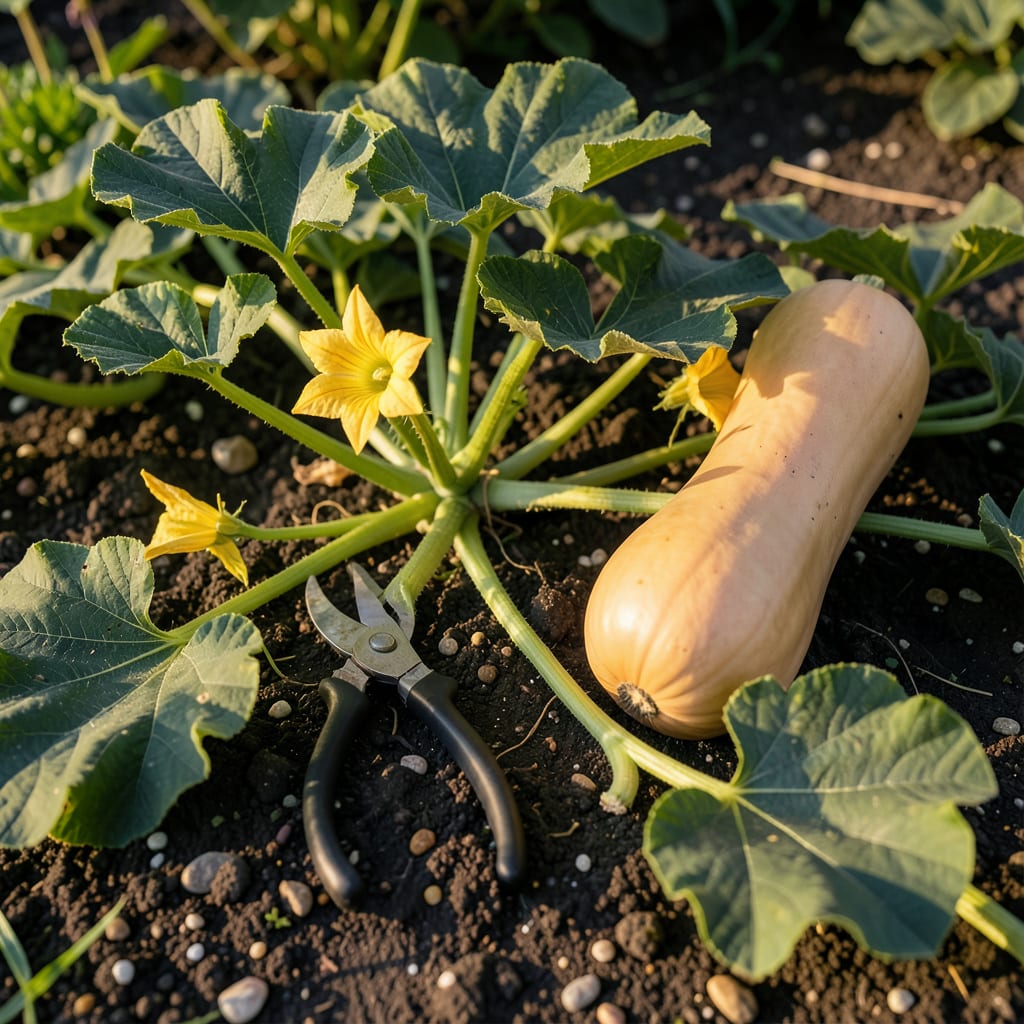
Timing your Butternut Squash 🎃 harvest can make or break your garden’s success. Get it wrong, and you might end up with bland, underripe produce that doesn’t store well.
I’ll show you the subtle visual and tactile cues that signal peak ripeness, so you can confidently gather your crop at the perfect moment every time.


I’ve found that butternut squash doesn’t always shout when it’s ready, but it does drop subtle hints. The first sign I look for is the rind color deepening to a rich tan hue. This change is gradual, so I check daily as the season progresses.
Another key indicator is the stem hardening. When the stem near the fruit turns dry and woody, it’s a strong signal that the squash is maturing. I gently press my thumbnail into the rind—if it resists puncturing, it’s nearly time.
| Ripeness Indicator | What to Look For |
|---|---|
| Rind Color | Deep tan or beige, not green |
| Stem Condition | Dry and woody, not green |
| Rind Hardness | Resists thumbnail pressure |
| Vine Appearance | Yellowing or dying back |
| Fruit Sound | Hollow thud when tapped |
The vines themselves offer another clue. As they begin to yellow and die back, the plant is redirecting energy to the fruit. I’ve noticed this often happens just before the first frost in my Zone 6 garden.
I also listen for a hollow sound when I tap the squash. This auditory test works best with larger fruits. If it sounds dull or solid, I leave it on the vine for a few more days.
A weight assessment helps too. Mature butternut squash feels heavy for its size. I compare similar-sized fruits to gauge which are ready. The heaviest ones are usually the ripest.
I’ve learned to avoid harvesting after rain or heavy dew. Wet conditions can mask the true hardness of the rind. I always wait for a dry day to check my squash.
Timing matters too. In my experience, 85 to 100 days after planting is the sweet spot for most varieties. I mark my calendar when I sow seeds to track progress.
Finally, I watch for uniform color across the entire squash. Any green patches mean it needs more time. When all signs align—color, stem, rind, vine, and sound—I know it’s time to harvest.
I always use pruning shears to cut the stem, leaving 1-2 inches attached. This helps prevent rot during storage. Never carry the squash by the stem, as it can break and reduce shelf life.
Harvesting butternut squash too early or too late can ruin months of hard work. Picking it prematurely often results in immature seeds and bland flavor, while waiting too long invites rot or pest damage. I’ve seen many gardeners lose their crop by misjudging these timing cues.
One common error is relying solely on color changes. While a deep tan rind is a good sign, it’s not the only indicator. Another mistake is ignoring the vine condition—healthy green vines often mean the squash isn’t ready yet.
⚠️ Avoid These Harvesting Pitfalls
Harvesting with a green stem or soft rind leads to poor storage and taste. Waiting until after frost risks rot and mold growth.
I once harvested a batch of butternut squash too early because the vines looked stressed. The squash didn’t ripen off the vine, and the flavor was disappointing. lesson learned: always check the stem and rind first.
Another scenario is leaving squash on the vine too long. Once the vines die back, the squash stops receiving nutrients. If left in damp conditions, it can rot quickly. I recommend harvesting before the first frost hits.
To avoid these issues, I use the thumbnail test. If I can’t puncture the rind with my thumbnail, it’s ready. Also, a hollow sound when tapped is a great indicator of ripeness.
Finally, always harvest with a 2-inch stem intact. This prevents moisture loss and extends storage life. Cutting too close to the squash can lead to early spoilage.
Timing is everything with butternut squash, so stay observant and patient for the best results 🌱
I always check my butternut squash for ripeness using simple, non-invasive tests to avoid damaging the fruit. The key is to confirm readiness while keeping the squash intact for storage and transport.
One reliable method is the thumbnail test. Press your thumbnail into the rind—if it resists puncturing, the squash is likely ripe. A soft rind means it needs more time on the vine.
Another test I use is the stem inspection. A ripe butternut squash will have a dry, hard stem. If the stem is still green or soft, the squash isn’t ready yet.
Finally, I assess the weight. A ripe squash feels heavy for its size, indicating that the flesh inside has developed fully. Lighter squash often means it’s underripe and lacks the sweetness you want.
These methods help me harvest at the perfect time without ever cutting into the squash prematurely. ✂️
Use the thumbnail test: press your nail into the rind. If it resists puncturing, it’s ready. A soft rind means it needs more time on the vine.
A ripe squash has a dry, woody stem. If it’s still green or moist, the squash isn’t mature yet. This is one of the most reliable signs.
No, harvest before the first frost. Frost can damage the squash, reducing storage life and flavor. Aim to gather your crop when vines start dying back.
A light squash often means it’s underripe. Ripe butternut squash should feel heavy for its size, indicating full flesh development and sweetness.
