
Beautiful Plants For Your Interior
Beautiful Plants For Your Interior
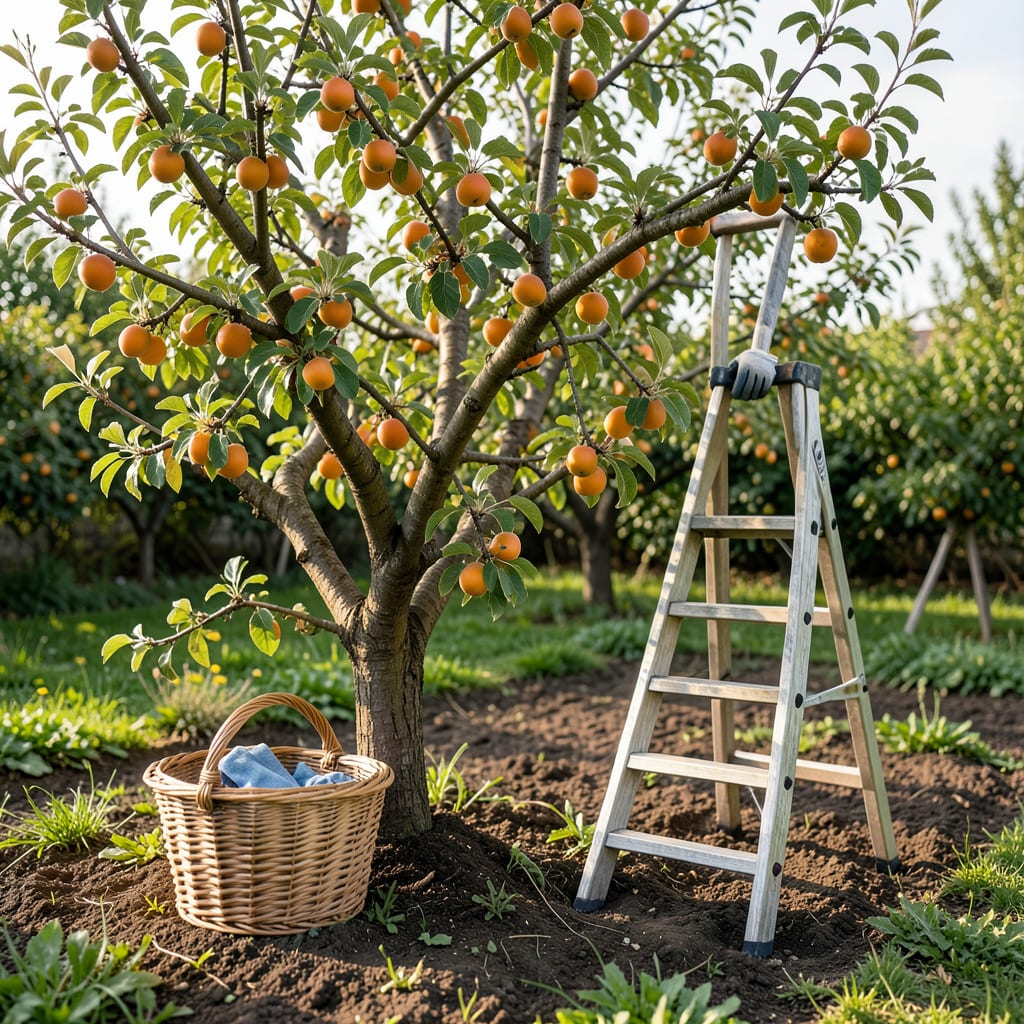
Knowing the perfect moment to pick your 🍑 Apricot can transform your harvest from mediocre to mouthwatering. Timing is everything with this fruit.
I’ll show you the key signs to watch for—color changes, texture shifts, and that telltale aroma—that guarantee your apricots will be at peak sweetness.


I always watch for the first color change in my apricot tree—when the fruit shifts from green to golden-orange, that’s your first clue. But color alone isn’t enough to guarantee sweetness.
True ripeness shows in the texture too. A gently pressed apricot should have a slight give, like a ripe peach, but not be mushy. The aroma is another telltale sign—sweet and fragrant means it’s ready.
| Sign | Description |
|---|---|
| Color | Deep orange-yellow all over |
| Texture | Slightly soft when pressed |
| Aroma | Sweet scent near stem |
| Stem Test | Fruit easily separates from branch |
The stem test is my go-to method. If the apricot twists off easily with the stem attached, it’s ready. If it resists, leave it for 2-3 more days and check again.
Weather plays a role too. In hotter climates, apricots ripen faster, so I start checking 1-2 weeks earlier than in cooler areas. A sudden heatwave can speed up ripening dramatically.
Don’t rely on size alone. Some smaller apricots can be just as ripe as larger ones. I’ve had golf-ball-sized fruits that were sweeter than their bigger counterparts.
Another trick is the seed check. Cut open one fruit—if the seed is brown, the harvest is ready. A white or green seed means it needs more time on the tree.
I also pay attention to bird activity. When birds start eyeing your apricots, they’re likely ripe. That’s when I harvest quickly or use netting to protect the crop.
For early varieties, harvest may start in late June, while late varieties can hold on the tree until early August. Know your tree’s type for the best timing.
Finally, taste is the ultimate test. Pick one apricot and sample it—if it’s juicy and sweet, the rest are ready. If it’s still tart, give them a few more days to reach peak flavor. ☀️
I never pick apricots without doing the twist-and-lift test first. Gently grasp the fruit and give it a soft twist—if it comes off easily, it’s ready. If it resists, it needs more time on the tree.
The taste test is another reliable method. Pick one apricot from different parts of the tree and sample them. If they’re sweet and juicy, the rest are likely ready. If they’re still tart, wait 2-3 days and test again.
For the seed check, cut open one apricot. A brown seed indicates ripeness, while a white or green seed means the fruit needs more time. This is especially useful for early varieties that might look ripe but aren’t.
Using a refractometer can give you precise sugar levels. Aim for a Brix reading of at least 12-14% for sweet apricots. This tool is handy if you’re growing apricots for preserving or selling.
Avoid picking apricots when they’re wet from rain or morning dew. This can dilute their flavor and make them prone to rot during storage. Always harvest in dry conditions for the best results.
If you’re unsure, err on the side of leaving them longer. Apricots won’t ripen properly once picked, so it’s better to wait until they’re fully ready on the tree. I’ve learned this the hard way with underripe batches that never sweetened up. ☀️
Once I’ve picked my apricots, I know the next 24 hours are critical for preserving their freshness and flavor. Proper handling makes all the difference in how long they’ll last.
I always start by gently cleaning the fruit with a damp cloth to remove any dust or sap, but I avoid soaking them. Then, I let them air-dry completely before storing to prevent mold.
Store ripe apricots in the fridge for up to 5-7 days.
Ripen underripe fruit at room temperature in a paper bag.
Avoid washing until ready to eat to prevent spoilage.
For unripe apricots, I place them in a paper bag with a banana or apple to speed up ripening. The ethylene gas these fruits release helps them mature faster off the tree.
If I’m not using them fresh, I freeze apricots by first blanching them in boiling water for 30 seconds, then cooling in ice water. This preserves their color and texture for months.
For drying apricots, I slice them in half, remove the pits, and place them in a food dehydrator or oven at 135°F for 12-24 hours. Properly dried apricots can last for up to a year in an airtight container. 🌿
Look for a deep orange-yellow color all over the fruit. Gently press—it should give slightly like a ripe peach. A sweet aroma near the stem is another clear sign.
No, apricots don’t ripen well off the tree. They’ll soften but won’t develop the same sweetness. Always wait until they’re fully ripe before harvesting.
Harvest in the early morning when temperatures are cool. This helps preserve freshness and prevents the fruit from becoming overripe during the day.
Ripe apricots keep in the fridge for 5-7 days. For longer storage, freeze or dry them within 24 hours of harvest.
