
Beautiful Plants For Your Interior
Beautiful Plants For Your Interior
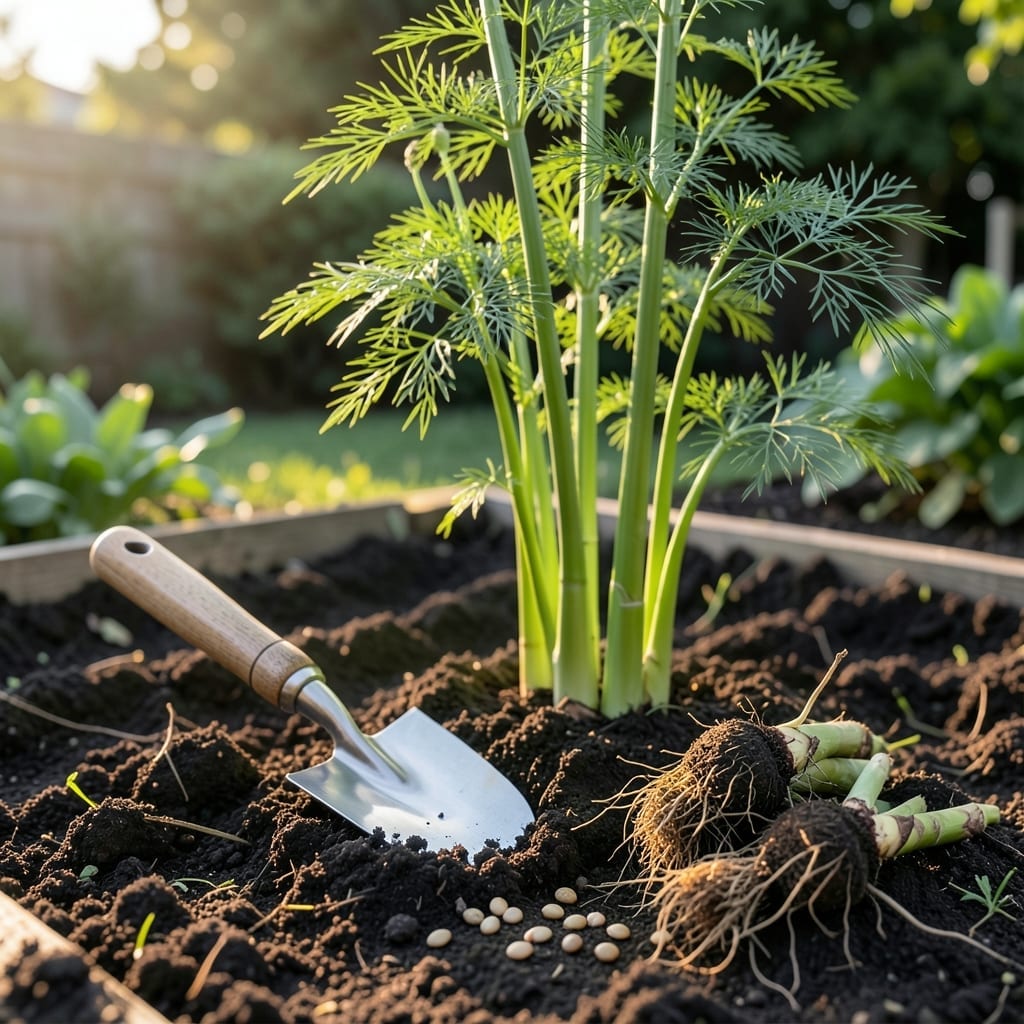
Timing is everything when it comes to growing 🥬 Asparagus—a perennial crop that can produce for decades with the right start. Plant too early or too late, and you risk stunted growth or a poor harvest.
I’ve learned that getting the timing right means understanding your climate and soil conditions. Whether you’re in a colder zone or a warmer region, the best window exists for success.
Let me walk you through the most important factors for planting and harvesting Asparagus. With these insights, you’ll set yourself up for a bountiful harvest year after year.

Getting the timing right for asparagus planting depends heavily on your climate zone. In colder regions like USDA zones 3-4, early spring is ideal, just as the soil warms to 50°F. This gives crowns time to establish before winter.
For temperate zones 5-7, aim for late winter to early spring. The soil should be workable, not waterlogged, and free of frost. Planting too early in these zones can lead to root rot from cold, wet conditions.
| Climate Zone | Best Planting Time | Soil Temperature |
|---|---|---|
| Zones 3-4 | Early spring | 50°F minimum |
| Zones 5-7 | Late winter to early spring | 50-60°F |
| Zones 8-10 | Late fall to early winter | 60-70°F |
If you’re in warmer zones 8-10, the approach changes entirely. Here, late fall to early winter is best. The cooler weather helps crowns establish without the stress of summer heat, and they’ll be ready to grow when spring arrives.
I always recommend checking your local frost dates. Asparagus crowns should go in 4-6 weeks before the last spring frost in colder areas. This timing ensures they get enough chilling hours to thrive.
Soil preparation is just as critical as timing. I make sure my beds are well-draining and enriched with compost before planting. Asparagus hates soggy roots, so raised beds can be a great solution in heavy clay areas.
Another pro tip: soak crowns in lukewarm water for 1-2 hours before planting. This rehydrates them and gives a head start. Space crowns 12-18 inches apart in trenches 6-8 inches deep.
For those in mild winter regions, you might even get away with a fall planting. The crowns will establish over winter and be ready to harvest a full year earlier than spring-planted asparagus.
Remember, asparagus is a long-term investment. It can take 2-3 years before you see your first harvest, but with proper timing and care, it’ll produce for 15-20 years or more.
Lastly, watch the weather forecast closely. If a late frost is expected after planting, protect young shoots with row covers or mulch. This extra care in the first year pays off with stronger plants long-term.
🌱Patience is key with asparagus harvesting. I always tell gardeners to wait 2-3 years after planting before the first harvest. This gives crowns time to establish a strong root system for future production.
The ideal harvest window runs from spring to early summer. Spear growth is most active when soil temperatures reach 50-60°F. In my experience, morning harvests yield the most tender spears.
I stop harvesting when spears become thin and spindly. This signals the plant is shifting energy to fern production. Letting some spears grow into ferns strengthens the crown for next year.
In warmer zones, you might get a second harvest in fall. But I recommend limiting this to light picking to avoid stressing the plants before winter dormancy.
Use a sharp knife or snap spears by hand at ground level. I prefer snapping as it naturally breaks at the tender point. Always leave the crown and roots undisturbed.
After harvesting, I mulch heavily with straw to retain moisture and suppress weeds. This also protects the shallow root system from temperature swings. Proper timing and care now means more abundant harvests for decades to come 🌱