
Beautiful Plants For Your Interior
Beautiful Plants For Your Interior
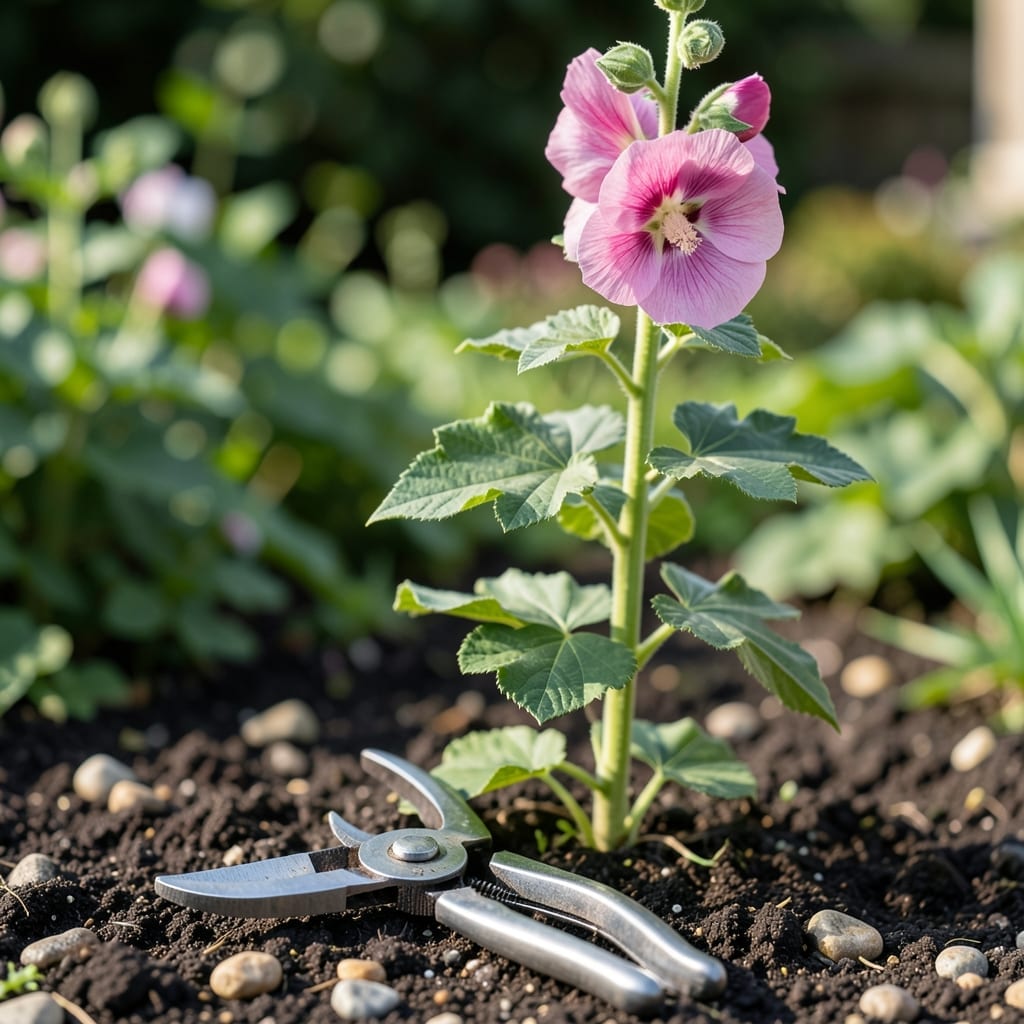
Hollyhocks bring towering color to gardens, but knowing when to cut them down is the key to vibrant blooms next season. Timing this task wrong can leave your 🌸 plants vulnerable to disease or stunted growth.
I’ve seen many gardeners struggle with this decision, unsure whether to prune in fall or wait until spring. The good news is that with the right timing, you can actually boost your hollyhocks’ health and flower production.
In zones 4-9, the optimal window is clearer than you might think. Whether you’re a beginner or have years of experience, getting this right will make a noticeable difference in your garden.
Let me walk you through when and how to cut down hollyhocks for the best results. Your future self will thank you when those tall, colorful spikes return even stronger next year.
Timing is everything when it comes to pruning hollyhocks. These tall perennials need a strategic cut to encourage healthy regrowth and prevent disease. I’ve found that late fall or early spring works best for most climates.
Cutting them down in late fall helps remove dead growth and reduces pest habitats over winter. But if you miss that window, early spring before new shoots appear is your next best bet.
| Season | Action | Benefit |
|---|---|---|
| Late Fall | Cut down to 6 inches | Prevents disease and pest buildup |
| Early Spring | Prune before new growth | Encourages stronger stems |
| After Flowering | Remove spent blooms | Promotes second bloom cycle |
In colder climates (USDA zones 4-5), I recommend waiting until early spring to avoid exposing the crown to harsh frost. This gives the plant a natural protective layer during winter.
For warmer zones (6-9), late fall pruning is ideal. The milder winters mean the plant won’t suffer from cold damage, and you’ll reduce overwintering pests like aphids or slugs.
If you notice diseased foliage during the growing season, don’t wait—remove affected stems immediately to prevent spread. I always sterilize my pruners with rubbing alcohol between cuts.
Avoid pruning during active blooming unless you’re deadheading spent flowers. Cutting back healthy stems mid-season can stunt growth and reduce next year’s flowers.
After pruning, I like to add a layer of mulch around the base. This protects the roots and retains moisture as new growth emerges. Use organic mulch like straw or shredded leaves for best results.
Hollyhock rust is a common issue if you don’t prune properly. Always remove all debris from the garden after cutting down. I compost only healthy plant material—never diseased stems.
For dwarf varieties, the same timing applies, but you may not need to cut as drastically. These smaller plants often benefit from light pruning to maintain shape rather than a full cutdown.
Finally, if you’re growing hollyhocks for seed collection, leave a few stems unpruned until the seed pods are fully dry. This ensures you’ll have plenty of seeds for next season’s garden. ✂️
Pruning hollyhocks at the right time ensures they return with vibrant blooms next season. I always wait until late fall or early spring when the plant is dormant. This timing helps prevent disease spread and encourages healthy regrowth.
Before you start, gather sharp pruning shears and gardening gloves to protect your hands from the plant’s rough stems. Clean tools reduce the risk of introducing fungal infections or pests to your hollyhocks.
In milder climates, you can prune in early spring before new shoots appear. This gives the plant time to recover and channel energy into stronger stems and bigger flowers during the growing season.
After cutting, I check the base of the plant for any signs of mold or rot. If I spot any, I remove the affected areas immediately and dispose of them far from the garden to avoid contamination.
Finally, I water the plant lightly after pruning to help it recover. Avoid overwatering, as soggy soil can lead to root rot. A little care goes a long way in keeping hollyhocks thriving year after year.
Pruning at the right time and with the right technique will reward you with taller, healthier hollyhocks that bloom abundantly. ✂️