
Beautiful Plants For Your Interior
Beautiful Plants For Your Interior
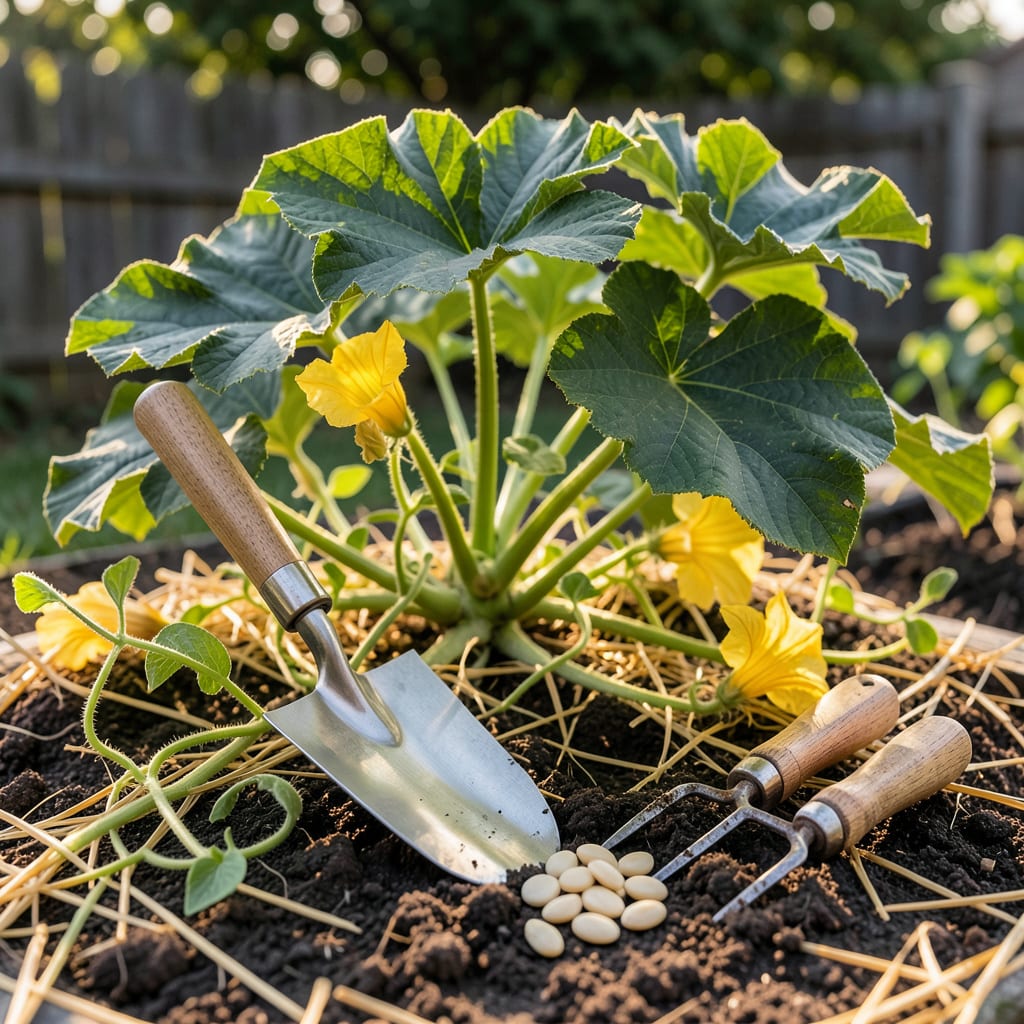
Timing your pumpkin planting in Ohio can make or break your harvest. Plant too early, and a late frost could destroy your seedlings; wait too long, and your 🎃 might not mature in time for fall.
After years of testing, I’ve found the perfect window—when soil hits 60°F and frost risks vanish. Whether you’re in Cleveland or Cincinnati, I’ll show you exactly when to plant for giant jack-o’-lanterns or pie pumpkins. Let’s get it right the first time.
If you’re dreaming of carving the perfect jack-o’-lantern or growing a prize-winning pumpkin in Ohio, timing is your secret weapon. Ohio’s climate varies from Zone 5 in the north to Zone 6 in the south, meaning frost dates and soil warmth differ dramatically. Plant too early, and a late frost will zap your seedlings. Plant too late, and your pumpkins won’t mature in time for Halloween.
For most of Ohio, the last frost date hovers around April 25–May 15, but soil temperature is the real game-changer. Pumpkin seeds need consistent soil temps of 60°F or higher to germinate. In northern Ohio (Cleveland, Toledo), that might not happen until late May. Down south (Cincinnati, Columbus), you could plant as early as mid-May. Always check your local soil temp with a thermometer before sowing!
| Region | USDA Zone | Last Frost Date | Planting Window | Days to Maturity |
|---|---|---|---|---|
| Northern Ohio (Cleveland, Toledo) | Zone 5b | May 1–10 | May 20–June 10 | 90–120 days |
| Central Ohio (Columbus, Akron) | Zone 6a | April 25–May 5 | May 15–June 5 | 90–110 days |
| Southern Ohio (Cincinnati, Dayton) | Zone 6b | April 15–25 | May 10–May 30 | 85–100 days |
🌱 Note: Adjust for microclimates—urban areas may warm faster than rural fields.
For early pumpkins, start seeds indoors 2–3 weeks before your planned outdoor planting date. Use biodegradable pots to avoid root shock when transplanting. If you’re direct-sowing, wait until soil reaches 70°F for faster germination. I’ve found that ‘Howden’ and ‘Connecticut Field’ varieties thrive in Ohio’s climate, maturing in about 100–110 days.
Watch the 10-day forecast before planting. If nighttime temps dip below 50°F, hold off—pumpkins hate the cold! In cooler springs, use black plastic mulch to warm the soil faster. This trick can give you a 1–2 week head start in northern Ohio. Just secure the edges with garden staples to prevent wind from lifting it.
If you’re growing giant pumpkins (like ‘Atlantic Giant’), start seeds indoors by April 20 and transplant after the last frost. These beasts need 120–150 days to mature, so every day counts! For standard jack-o’-lantern types, aim to have seeds in the ground by June 1 to ensure a October harvest.
Pro tip: Use a soil thermometer to monitor temps at 2–3 inches deep, where pumpkin roots develop. If you’re in a rush, lay clear plastic over the soil for 1–2 weeks to “solarize” and warm it. Just remove the plastic before planting to avoid baking your seeds!
Don’t forget about succession planting if you want pumpkins for both early fall decor and Thanksgiving pies. Plant a second crop in early July for late-season harvests, but choose fast-maturing varieties like ‘Spookie’ (85 days) or ‘Baby Pam’ (90 days).
In Ohio’s humid summers, pumpkins can fall prey to powdery mildew or squash bugs. Plant in full sun (6+ hours daily) and space vines 5–6 feet apart for airflow. I swear by neem oil sprays every 2 weeks to keep pests at bay without harsh chemicals.
Finally, mark your calendar for harvest time—most pumpkins are ready 75–100 days after planting. Test readiness by pressing your thumbnail into the rind: if it resists, it’s time! Leave 3–4 inches of stem attached to prevent rot. Now go grow that perfect Ohio pumpkin! 🎃
Ohio’s soil can be a pumpkin’s best friend—or its worst enemy. Whether you’re dealing with heavy clay in Cleveland or sandy loam near Toledo, proper prep is non-negotiable. I’ve seen gardeners struggle with poor drainage or nutrient deficiencies, but a little upfront work makes all the difference. Start by testing your soil’s pH level—pumpkins thrive in 6.0–6.8 range.
If your soil is compacted clay (common in northern Ohio), mix in 3–4 inches of compost or aged manure to improve drainage. For sandy soil (often found in southern Ohio), add peat moss or coconut coir to retain moisture. I like to create raised mounds (about 12 inches tall) to ensure roots stay warm and dry. Space mounds 5–6 feet apart to give vines room to sprawl.
Ohio’s spring rains can leach nutrients, so I recommend a pre-plant fertilizer boost. Work in 1–2 cups of 10-10-10 fertilizer per mound, or use organic options like bone meal (for phosphorus) and kelp meal (for micronutrients). Avoid overdoing nitrogen—too much leads to leafy vines but few pumpkins.
If you’re planting in containers (only feasible for dwarf varieties like ‘Jack Be Little’), use a 5-gallon pot per plant with drainage holes. Fill with a mix of 60% potting soil and 40% compost. Containers dry out fast, so plan to water daily in summer and fertilize every 2 weeks with a liquid feed.
Don’t skip the soil temperature check! Even if air temps are warm, soil below 60°F will delay germination. Use a soil thermometer at 2–3 inches deep—if it’s too cool, lay black plastic mulch for 1–2 weeks to speed warming. This is especially helpful in northern Ohio, where springs stay cooler longer.
For giant pumpkin growers, soil prep is even more critical. Dig a 3-foot-wide hole, mix the native soil with compost and sand, and add a slow-release fertilizer like Osmocote. Water deeply after planting to settle the soil and eliminate air pockets. Trust me—your ‘Atlantic Giant’ will thank you with record-breaking growth!
Finally, consider a cover crop like winter rye in the off-season to prevent erosion and add organic matter. Till it under in early spring (4–6 weeks before planting) to enrich the soil. With these steps, your Ohio soil will be pumpkin-ready and set you up for a bountiful harvest! 🪴
Even experienced Ohio gardeners can sabotage their pumpkin patch with a few common blunders. I’ve seen it all—wilted seedlings from cold soil, stunted vines from overcrowding, and rotten fruits from poor drainage. The good news? These mistakes are totally avoidable with the right know-how.
The biggest offender? Planting too early in Ohio’s unpredictable springs. Pumpkins cannot tolerate frost, and soil below 60°F will cause seeds to rot. Northern Ohio gardeners (Zone 5) are especially guilty of jumping the gun—wait until late May when soil is truly warm. 🌱
Ohio’s spring soil temps lag behind air temps. Use a soil thermometer at 2–3 inches deep—if it’s below 60°F, wait! Speed warming with black plastic mulch or clear plastic solarization for 1–2 weeks pre-planting.
Pumpkin vines need 10–15 feet of space—not 3 feet! Crowding leads to poor airflow, inviting powdery mildew and squash bugs. Plant in hills or mounds spaced 5–6 feet apart, or train vines vertically on sturdy trellises for small varieties.
Ohio’s humid summers are a playground for squash bugs and cucumber beetles. Protect seedlings with floating row covers until flowers appear. Plant marigolds or nasturtiums nearby to repel pests naturally. Spray neem oil every 10–14 days as a preventive.
Another critical error? Skipping soil prep. Ohio’s clay-heavy soils (especially in Cleveland and Akron) can suffocate pumpkin roots. Always amend with compost or aged manure and create raised mounds for drainage. I’ve rescued countless pumpkin patches by mixing in sand or perlite to break up compacted dirt.
Watering mistakes also plague Ohio growers. Pumpkins need 1–1.5 inches of water weekly, but overhead watering invites fungal diseases. Use soaker hoses or drip irrigation to keep leaves dry. Water in the early morning so foliage dries quickly—this simple switch can prevent powdery mildew outbreaks.
Finally, don’t neglect fertilizer timing. Ohio’s rainy springs can wash away nutrients, so I recommend a balanced 10-10-10 fertilizer at planting, followed by a high-phosphorus feed (like 5-10-10) when vines start running. Stop fertilizing 4–6 weeks before harvest to let pumpkins harden properly. Avoid these pitfalls, and you’ll be carving Ohio-grown jack-o’-lanterns in no time! 🎃
Not at all! Late May is actually ideal for most of Ohio. In northern regions (Cleveland, Toledo), soil finally reaches the critical 60°F threshold by then. For southern Ohio (Cincinnati, Dayton), you could even plant as early as mid-May. Just check your 10-day forecast for frost risks.
Absolutely—this gives you a 2–3 week head start! Begin indoors around April 20 using biodegradable pots to avoid root shock. Transplant outdoors after the last frost (typically May 10–20), when soil hits 70°F for faster growth. Giant varieties especially benefit from this early start.
Planting before soil reaches 60°F risks seed rot or weak seedlings. Ohio’s unpredictable springs can bring late frosts—even in Zone 6. If you’re eager, use black plastic mulch to warm soil faster, but avoid planting before mid-May in most regions. Patience pays off!
Yes! Giants like ‘Atlantic Giant’ need 120–150 days to mature. Start seeds indoors by April 20 and transplant after frost. In northern Ohio, aim for May 20–June 1 planting to ensure a October harvest. Use extra compost and space vines 10–15 feet apart for monster growth.
