
Beautiful Plants For Your Interior
Beautiful Plants For Your Interior
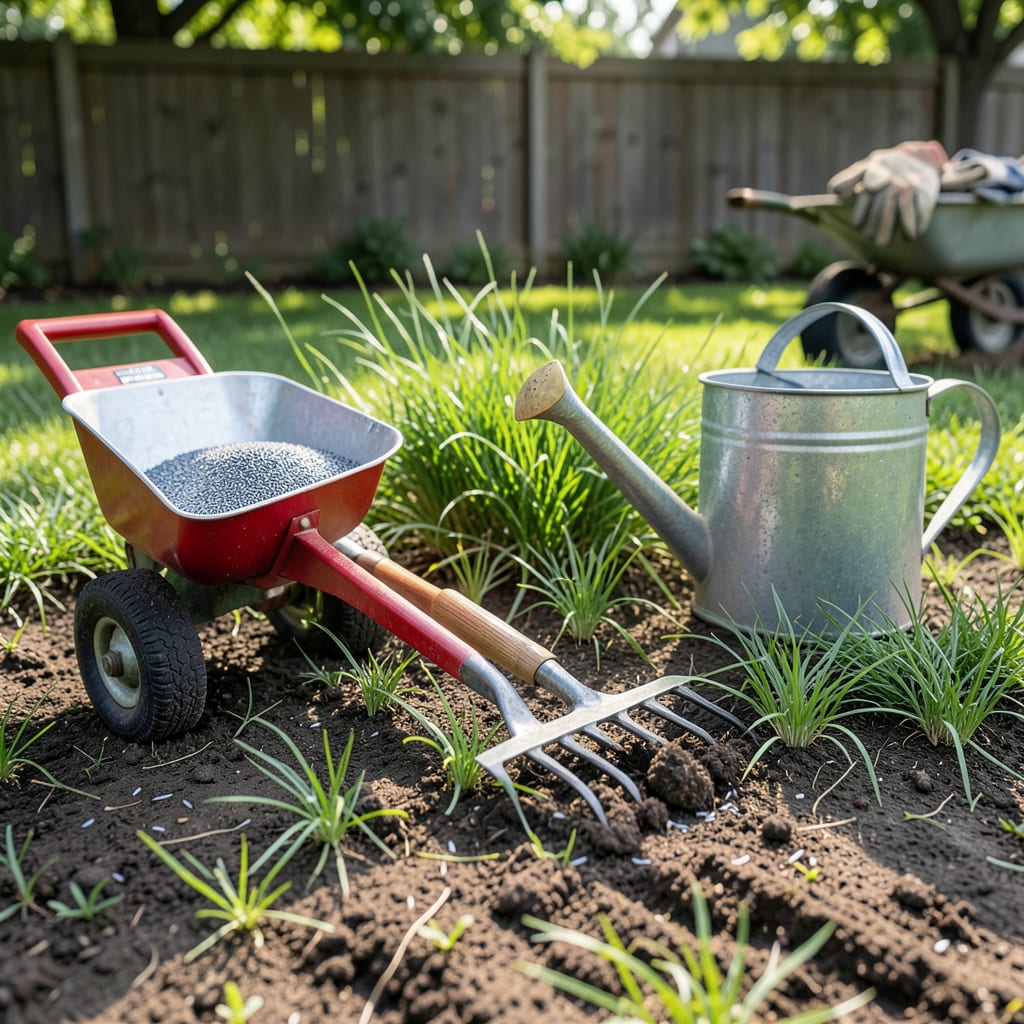
Timing your spring grass planting can make or break your lawn’s success. Plant too early, and frost might wipe out your efforts. Wait too long, and summer heat could stunt growth before roots even establish.
The secret isn’t just the calendar—it’s all about soil temperature. I’ll show you exactly when to plant 🌱 for fast germination, whether you’re in Zone 6 or adjusting for your local climate. Let’s get your lawn off to the perfect start this season.
If you’ve ever wondered when to plant grass seed in spring, the answer isn’t just about the calendar—it’s all about soil temperature. I’ve learned the hard way that planting too early in cold soil leads to poor germination, while waiting too long risks summer heat stress. 🌱
The magic number for most cool-season grasses like Kentucky Bluegrass or Tall Fescue is 50°F to 65°F soil temperature. For warm-season varieties such as Bermuda or Zoysia, you’ll want to wait until soil hits 60°F to 65°F. This is why a simple soil thermometer becomes your best friend.
| Grass Type | Optimal Soil Temp | Best Planting Time |
|---|---|---|
| Kentucky Bluegrass | 50°F–65°F | Early spring (March–April) |
| Tall Fescue | 50°F–65°F | Early to mid-spring |
| Bermuda Grass | 60°F–65°F | Late spring (April–May) |
| Zoysia Grass | 60°F–65°F | Late spring (April–May) |
*Soil temps measured at 2-inch depth in early morning
Here’s how I check soil temperature: Insert a soil thermometer about 2 inches deep in the morning. If you don’t have one, your local extension office often publishes soil temperature reports. Remember, air temperature and soil temperature can differ by 10°F or more! ☀️
For Northern regions (USDA Zones 3-6), aim to plant cool-season grasses between March and April, after the last frost date. In Southern regions (Zones 7-10), you’ll want to focus on warm-season grasses planted in late April through May when soils warm up sufficiently.
I always recommend checking your local frost dates too. Plant at least 2 weeks after your last frost for cool-season grasses. For warm-season varieties, you’re safe to plant 2-3 weeks before summer heat peaks. This timing gives roots time to establish before stress periods.
Don’t forget about soil preparation—this is just as crucial as timing. I like to aerate compacted areas, remove debris, and add a thin layer of compost before seeding. This creates the perfect seedbed for those tiny grass seeds to thrive in their optimal temperature range. 🌿
After planting, maintain consistent soil moisture—this means light watering daily until germination (usually 7-21 days depending on grass type). Once sprouts appear, gradually reduce frequency but water more deeply to encourage root development.
Pro tip: If you’re overseeding an existing lawn, mow low (about 1.5 inches) before planting to reduce competition. For new lawns, consider a starter fertilizer with higher phosphorus to support root growth during this critical establishment phase.
Remember, spring planting gives you a head start on summer weeds, but it also means competing with spring rains. If heavy rain is forecasted, cover freshly planted areas with straw mulch to prevent seed washout while still allowing light and air to reach the soil. 💧
Even with perfect timing, small mistakes can sabotage your spring grass planting. I’ve seen too many lawns struggle because of avoidable errors that seem minor but have major consequences. Let’s fix these before they ruin your new grass. 🌱
The most common mistake? Planting on frozen ground. I get it—spring fever hits hard! But if the soil is still frozen or waterlogged, seeds will rot instead of sprout. Always check that soil is workable (squeezes into a loose ball but crumbles easily).
Fix these first for 3x faster germination!
Another big issue is ignoring soil preparation. I always aerate compacted areas and remove thatch before planting. A simple rake test helps: if your rake bounces off hard soil, it needs aeration. Add a ¼-inch layer of compost to give seeds the nutrient boost they need.
Misjudging water needs ranks high on the mistake list too. New grass seed needs consistent moisture, but not drowning. I use the “finger test”: stick your finger in the soil—if the top ½ inch feels dry, it’s time to water. Morning watering (6-10 AM) prevents fungal growth. 💧
Don’t overlook seed protection either. Spring rains can wash away unprotected seeds. I always cover newly planted areas with a thin layer of straw mulch (not hay—it contains weed seeds!). This keeps seeds in place while allowing light and air to reach them.
Finally, fertilizer timing trips up many gardeners. Never use regular lawn fertilizer at planting—it can burn tender sprouts. Instead, apply a starter fertilizer (high in phosphorus) when planting, then wait 6-8 weeks before regular feeding. This gives roots time to establish without chemical stress. 🌿
You’ve planted your grass seed at the perfect time, but now what? Even with ideal timing, problems can pop up. I’ve found that early intervention makes all the difference between a lush lawn and a patchy mess. Here’s what to watch for in those critical first weeks. 🌱
The first red flag is patchy germination after 10-14 days. If you see bare spots where seeds haven’t sprouted, it often means uneven seed distribution or poor seed-to-soil contact. Gently rake the area and overseed, then cover with a thin layer of compost.
Catch these within 48 hours for best recovery!
Another urgent sign is mold or fungus appearing on your new grass. This typically happens when seeds stay too wet, especially in cool, damp spring weather. If you spot white or gray fuzz, stop watering immediately and let the area dry out. A light dusting of cornmeal (natural antifungal) can help. ☀️
Watch for wilting seedlings in hot afternoon sun—this indicates the roots aren’t established enough to handle heat stress. Provide temporary shade with burlap screens and increase water slightly. Remember, new grass needs consistent moisture but never soggy conditions.
If you notice birds feasting on your seed, don’t panic. While frustrating, this is normal. The solution? Cover freshly planted areas with lightweight row cover or spread straw mulch to hide seeds from hungry birds while still allowing growth.
For all these issues, the key is quick action. Most problems become irreversible after 3-5 days. Keep a close eye on your new lawn, especially after heavy rain or temperature swings. With prompt attention, you can usually save struggling areas before they become permanent bare spots. 🌿
Planting before soil reaches 50°F risks poor germination or seed rot. Frost can kill tender sprouts, and cold soil slows growth dramatically. Wait until 2 weeks after your last frost date for best results.
Mixing cool-season (like Kentucky Bluegrass) with warm-season (like Bermuda) often fails. Their growth habits and temperature needs differ too much. Stick to one type suited for your climate zone.
Keep soil consistently moist but not soggy. Water lightly daily until germination (about 2 weeks), then shift to deeper watering 2-3 times weekly. Morning watering prevents fungal issues.
Perennial Ryegrass sprouts in just 5-10 days under ideal conditions. It’s perfect for quick coverage but may need overseeding later. Tall Fescue is another fast option at 7-14 days.
Apply a starter fertilizer (high in phosphorus) at planting to support root growth. Avoid regular lawn fertilizer—it can burn tender sprouts. Wait 6-8 weeks before standard feeding schedules.
