
Beautiful Plants For Your Interior
Beautiful Plants For Your Interior
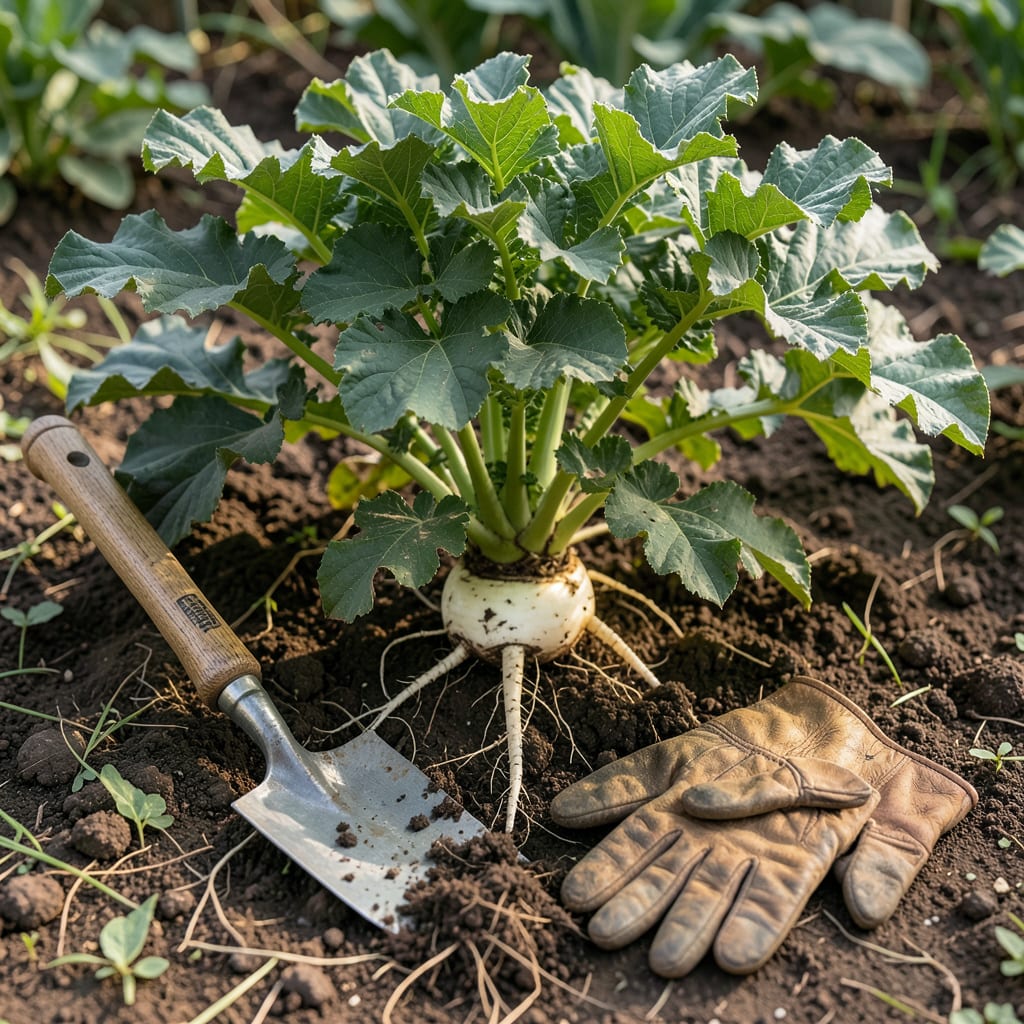
I love how 🥬 Horseradish can transform from mild to fiery with perfect timing. Many gardeners miss the subtle signs that their crop is ready for picking.
Let me show you how to read the leaf clues and seasonal cues that signal your Horseradish roots have reached their peak flavor and size.


Timing your horseradish harvest can make all the difference in flavor intensity. I’ve found that late fall after the first frost is ideal for most regions, as the cold triggers the roots to develop their signature pungency.
For warmer climates, early spring before new growth starts can also work well. The key is to watch for those subtle seasonal shifts and plant signals.
| Harvest Time | Best For | Flavor Profile |
|---|---|---|
| Late Fall (after first frost) | Cooler climates | Strongest, most pungent |
| Early Spring | Warmer climates | Mild to moderate |
| Mid-Winter | USDA Zones 7-9 | Balanced, less intense |
In my experience, cold temperatures are the secret to unlocking that bold horseradish kick. The first frost acts like nature’s alarm clock, telling the plant to concentrate its oils in the roots.
This is why I always recommend waiting until late fall for the most intense flavor. The roots have had all season to grow, and the frost gives them that extra punch.
If you’re in a region with mild winters, you can also try a late winter harvest. Just make sure the ground isn’t frozen solid, which can damage the roots during extraction.
For those in warmer zones, an early spring harvest before new growth appears is your best bet. The roots will be at their peak size and flavor before the plant starts putting energy into leaves.
I’ve noticed that horseradish roots harvested in the summer tend to be milder and less desirable. The heat can make the roots woody or fibrous, which affects both texture and taste.
Remember, the size of the root matters too. Aim for roots that are 8-12 inches long and about 1-2 inches thick for the best results. Smaller roots haven’t developed their full potential yet.
Another tip: morning harvests are ideal. The roots are at their firmest after a cool night, making them easier to dig up without breaking. Plus, the flavor seems more concentrated in the morning.
Finally, don’t forget that horseradish is perennial. If you leave some roots in the ground, they’ll regrow next year, giving you another harvest opportunity.
🌱I always tell gardeners to watch the leaves for the clearest harvest signals. When lower leaves start yellowing and wilting, it’s nature’s way of saying the roots are maturing and concentrating their flavors.
This leaf die-back typically begins after the first frost in fall or as temperatures drop in early spring. The plant is redirecting energy from foliage to root development, which is exactly what we want.
The most reliable sign is when the entire lower third of the plant shows yellow or brown leaves. This usually happens about 150 days after planting, depending on your growing conditions.
I’ve noticed that cold snaps accelerate these leaf changes. A light frost often triggers the most dramatic color shift within 24-48 hours, making it the perfect time to check your roots.
Don’t confuse disease-related yellowing with natural maturity. Healthy horseradish plants will show these changes uniformly across the lower leaves while the upper growth remains relatively green until the very end.
For the most accurate assessment, gently dig around the base of one plant. If the main root is 8-12 inches long and firm to the touch, your entire crop is likely ready.
🌿I’ve seen many gardeners rush the harvest and end up with small, underdeveloped roots. Patience is key—horseradish needs 120-180 days to reach its full potential. Harvesting too early means missing out on that bold flavor.
Waiting too long can be just as problematic. Over-mature roots often become woody or fibrous, making them tough to process and less flavorful. The sweet spot is when roots are 8-12 inches long and firm.
⚠️ Warning: Avoid harvesting during extreme heat or when the soil is waterlogged. Both conditions can damage the roots and reduce quality.
Another common mistake is rough handling during extraction. Horseradish roots are delicate and can break easily. I always use a garden fork to gently loosen the soil around the plant before pulling.
Don’t forget that horseradish is perennial. If you want a continuous supply, leave some roots in the ground. Just be sure to harvest the outer roots first, allowing the central crown to regrow for next season.
Extreme weather can also impact your harvest. Avoid digging during heavy rain or when the ground is frozen. Both make extraction difficult and can damage the roots.
🌱Harvesting early often yields milder flavor since the cold hasn’t triggered the root’s full pungency. Roots may also be smaller, typically under 8 inches.
It’s possible but not ideal. Summer roots tend to be woody and fibrous with less concentrated flavor. Heat stress reduces quality.
Over-mature roots become tough and stringy. Look for cracked or splitting skin or a diameter over 2 inches as warning signs.
No, that’s too late. Harvest when the lower third shows yellowing. Complete die-back means roots may start deteriorating.
