
Beautiful Plants For Your Interior
Beautiful Plants For Your Interior
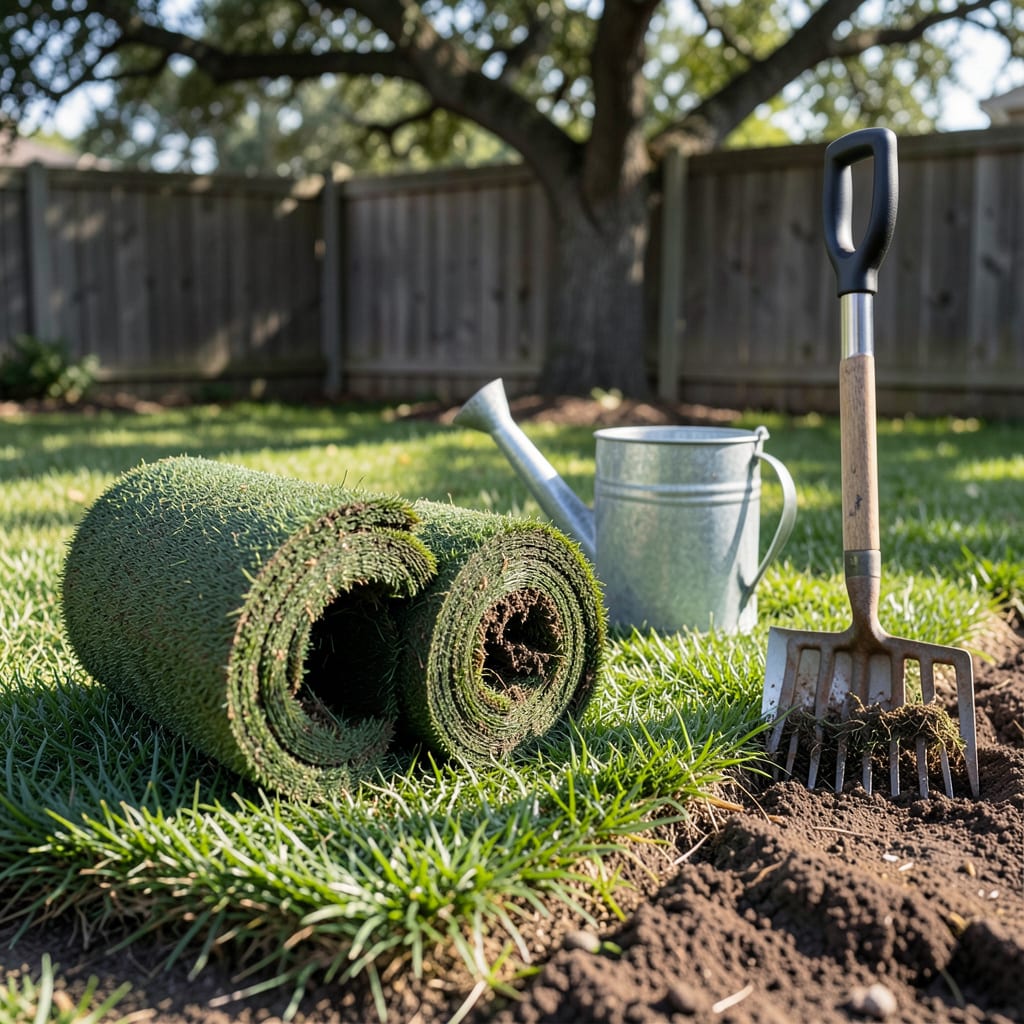
Timing isn’t just important—it’s everything when planting St. Augustine grass in Texas. Plant too early, and frost might ruin your efforts. Wait too long, and the scorching summer heat could fry your new lawn before it even takes root.
I’ve seen homeowners struggle with patchy, weak grass simply because they missed the best window. The good news? With the right timing—tailored to your specific Texas region—you can grow a thick, vibrant lawn that thrives year-round. Let’s break down exactly when and how to get it right.
If you’re dreaming of a thick, emerald-green lawn, St. Augustine grass is a Texas favorite—but timing your planting is everything. Texas spans multiple climate zones, from the Panhandle’s chilly winters to the Gulf Coast’s humidity. Plant too early, and frost could kill your new sod. Plant too late, and summer heat will stress it before roots establish.
I’ve seen homeowners struggle with patchy lawns simply because they didn’t match their planting schedule to their specific Texas region. The key? Wait until soil temperatures hit 65°F—that’s when St. Augustine roots grow aggressively. But Texas is big, so let’s break it down by zone.
| Region | Best Months | Soil Temp Threshold | Notes |
|---|---|---|---|
| North Texas (Dallas, Fort Worth) | April–May or September | 65°F+ | Avoid July–August heat stress. |
| Central Texas (Austin, San Antonio) | March–May or September–October | 65°F+ | Fall planting reduces water needs. |
| Gulf Coast (Houston, Corpus Christi) | February–June or September–November | 70°F+ | Humidity helps establishment; avoid hurricane season. |
| West Texas (El Paso, Lubbock) | April–May (spring only) | 70°F+ | Limited water; plant early to establish before drought. |
Source: Adapted from Texas A&M AgriLife Extension guidelines.
In North Texas, I recommend aiming for mid-April to early May. The soil is warm enough, but you’ll avoid the scorching July heat that can fry young sod. If you miss spring, early September is your backup—just ensure you’ve got 6–8 weeks before the first frost (usually mid-November).
Down in the Gulf Coast, you’ve got more flexibility thanks to milder winters. I’ve had great success planting as early as late February if the soil is workable. But watch out for chinch bugs—they love St. Augustine and thrive in humidity. A fall planting here means less pest pressure and cooler temps for root growth.
For Central Texas, March–April is prime time. The Hill Country’s limestone soil drains fast, so amending with compost before planting helps retain moisture. If you’re planting plugs instead of sod, start earlier—they take longer to fill in. I like to space plugs 12–18 inches apart for faster coverage.
Out in West Texas, water is your biggest challenge. Planting in April–May lets you tap into spring rains, but you’ll need to mulch heavily to conserve moisture. Avoid fall planting here—unpredictable freezes can wipe out new grass before it establishes. I’ve seen lawns fail because folks didn’t account for the low humidity and high winds.
No matter your region, always test soil moisture before planting. Stick your finger 2–3 inches deep—if it’s dry, water thoroughly a few days before laying sod or plugs. And here’s a pro tip: Lay sod on a cloudy day to reduce transplant shock. If you’re using sod staples, space them 12–18 inches apart to hold everything in place without restricting growth.
One last thing—don’t skimp on soil prep. I’ve fixed too many lawns where homeowners laid sod over compacted clay. Till the top 4–6 inches, mix in 2–3 inches of compost, and level the area. Your St. Augustine will thank you with deeper roots and fewer brown patches later. 🌿
Choosing between spring and fall planting for St. Augustine grass in Texas isn’t just about preference—it’s about survival. Each season offers unique advantages, but the wrong choice can mean more watering, weed battles, or even dead patches before your lawn establishes.
I’ve helped dozens of Texas homeowners recover from poorly timed plantings, and the differences are stark. Spring planting (March–May) gives grass a full growing season, but it also means competing with weeds and higher water demands. Fall planting (September–October) often wins for most regions, thanks to cooler temps and fewer pests.
Pro Tip: In Central Texas, fall planting can cut your water bill by 40% compared to spring.
For North Texas (Dallas, Fort Worth), I lean toward fall planting—specifically early September. The soil stays warm from summer, but air temps drop, reducing evaporation stress. If you plant in spring, be ready to water daily by June. I’ve seen lawns crisp up because homeowners underestimated how fast the heat arrives.
Along the Gulf Coast (Houston, Corpus Christi), you’ve got more flexibility. Spring planting works well here because winters are mild, and the humidity helps sod establish. But if you plant in fall, you’ll dodge the peak chinch bug season (May–July). Either way, test your soil pH—St. Augustine prefers 6.0–7.5.
In Central Texas (Austin, San Antonio), fall is my top pick. The Hill Country’s rocky soil drains fast, and fall rains (when they come) give roots a boost. If you plant in spring, add 2–3 inches of organic matter to help retain moisture. And here’s a trick: Mow high (3–4 inches) after planting to shade out weeds.
No matter the season, watering is critical for the first 2–3 weeks. Aim for 1–1.5 inches per week, split into short, frequent sessions (early morning only!). Use a rain gauge to track—don’t guess. And if you’re laying sod, stagger the seams like brickwork to prevent gaps.
One mistake I see often? Fertilizing too soon. Wait 4–6 weeks after planting to apply fertilizer—new roots are tender, and heavy nitrogen can burn them. Instead, focus on deep watering to encourage root depth. Your patience will pay off with a lawn that’s drought-resistant and lush for years. 🌿
Even with perfect timing, a few common mistakes can sabotage your St. Augustine lawn before it ever gets established. I’ve seen Texas homeowners waste hundreds of dollars on sod or plugs, only to watch it turn brown within weeks. The good news? These errors are easy to avoid once you know what to look for.
Most failures trace back to five key missteps: poor soil prep, wrong watering habits, ignoring regional climate quirks, skimping on spacing, or choosing the wrong grass variety. Let’s tackle each one—so you can sidestep the headaches and grow a lawn that’s the envy of the neighborhood.
St. Augustine needs consistent moisture for the first 3 weeks. Planting in July–August means fighting 100°F+ temps and evaporation rates that dry out roots fast. Solution: Check the 10-day forecast—aim for mild, rainy spells.
Compacted clay soil (common in DFW, Austin) suffocates roots. Laying sod directly on hardpan leads to poor drainage and shallow roots. Fix it: Till in 3 inches of compost + sand for better aeration.
Too much water causes root rot; too little leads to sod shrinkage. New St. Augustine needs 1–1.5 inches/week, split into short, daily sessions for the first 10 days. Pro tip: Use a rain gauge—don’t guess!
Gaps between sod pieces or plugs slow establishment. For sod, butt edges tightly (no overlaps!). For plugs, space 12–18 inches apart in a grid pattern. Warning: Wider spacing = longer wait for full coverage.
Not all St. Augustine strains thrive everywhere. ‘Raleigh’ handles cold snaps (North Texas), while ‘Floratam’ resists chinch bugs (Gulf Coast). Match your variety to your region’s biggest threats—drought, pests, or shade.
Bonus: In West Texas, mulch with straw after planting to retain moisture in sandy soil.
One mistake I see all the time in Central Texas is planting Floratam in shady yards. This variety needs full sun—if your lawn gets less than 6 hours of direct light, switch to ‘Palmetto’ or ‘Sapphire’. They tolerate partial shade and still stay thick.
Another costly error: using cheap, thin sod to save money. I’ve watched homeowners replant entire lawns because the sod was cut too thin (less than ½-inch soil depth). Always inspect sod before buying—roots should be white and fibrous, not brown or mushy. And if you’re planting plugs, buy extra—some won’t take, and gaps will show.
Finally, don’t forget post-planting care. After the first 3 weeks, gradually reduce watering to 2–3 times/week. Mow when grass reaches 3–4 inches, but never remove more than ⅓ of the blade height at once. And hold off on fertilizer until 6 weeks in—new roots are tender, and heavy nitrogen can burn them. A little patience now means a thicker, healthier lawn later. 🌿
Fall (September–October) is ideal for most areas because cooler temps reduce water needs by 30–40%. Spring works well along the Gulf Coast, but requires more frequent watering to combat rising heat.
Avoid summer planting—July–August heat stresses new grass before roots establish. If you must, choose early June in coastal areas and commit to daily watering for the first month.
Test by digging 2–3 inches deep—soil should be crumbly, not muddy or rock-hard. Use a thermometer to confirm it’s 65°F+. For clay-heavy areas (DFW, Austin), mix in 2–3 inches of compost first.
‘Raleigh’ is the top cold-tolerant choice for North Texas, surviving brief dips to 20°F. In milder zones, ‘Palmetto’ offers better shade tolerance. Always check local nursery recommendations.
With proper care, sod establishes in 2–3 weeks; plugs take 8–12 weeks to fill in. Avoid heavy foot traffic until roots are 2+ inches deep (test by gently tugging grass—resistance means it’s ready).
