
Beautiful Plants For Your Interior
Beautiful Plants For Your Interior
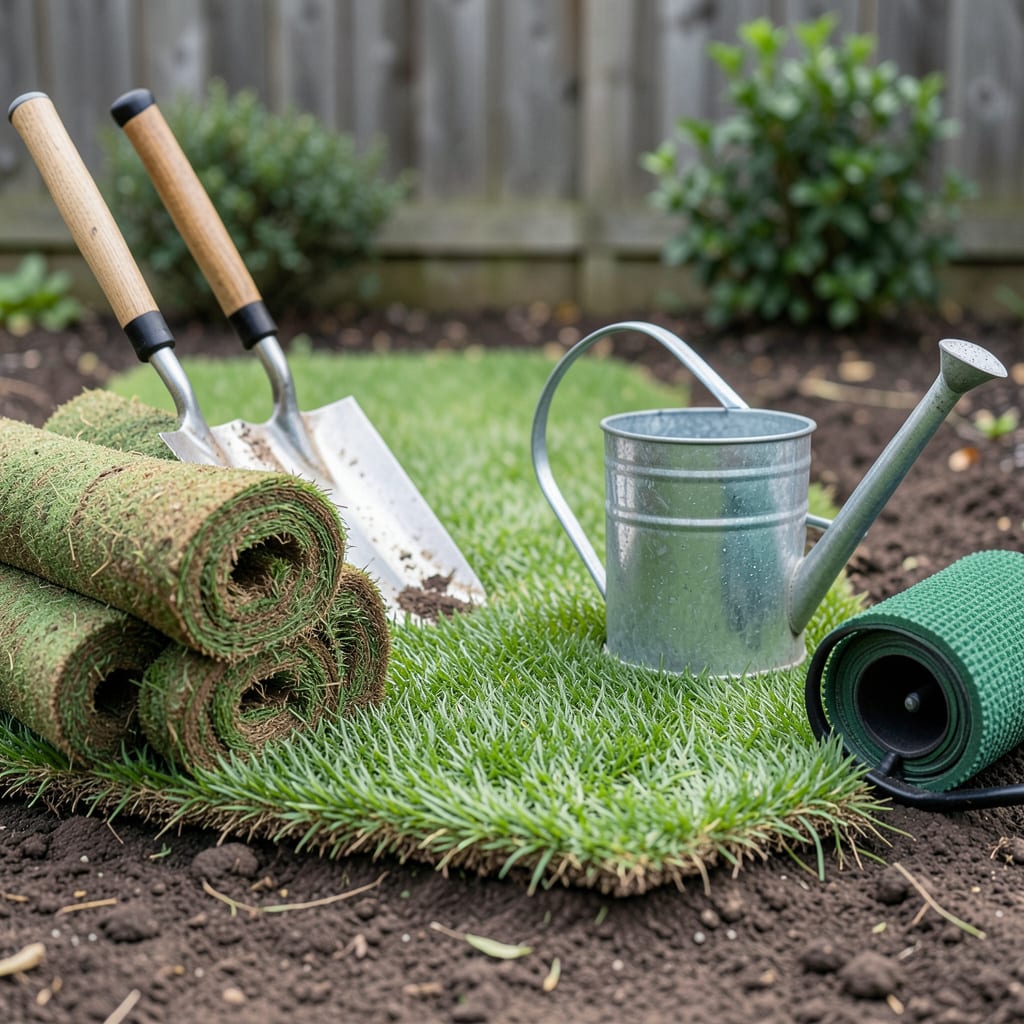
Timing can make or break your Texas lawn—plant 🌱 sod at the wrong moment, and you’ll battle drought, weeds, or weak roots for months. The Lone Star State’s extreme climate demands precision, but nailing the right window means a lush, established lawn in just weeks.
I’ve seen homeowners waste thousands on sod that never takes because they ignored Texas’ unique seasons. Whether you’re in the Panhandle or the Gulf Coast, I’ll show you the exact months to plant for rapid growth—and the critical mistakes that’ll doom your project before it starts.
If you’re dreaming of a thick, green lawn in Texas, timing your sod installation is everything. The Lone Star State’s wild temperature swings—from scorching 100°F summers to surprise late freezes—mean you’ve got two narrow windows to get it right. Plant too early, and frost might stunt growth; plant too late, and the heat will fry your investment before roots establish.
After years of testing (and a few failed lawns!), I’ve found that early spring and early fall are the goldilocks zones. These seasons offer the ideal combo: warm soil to encourage root growth, mild air temps to reduce stress, and enough rainfall to cut down on your watering chores. But here’s the kicker—your exact dates depend on where you live in Texas.
| Factor | Spring Planting (March–May) | Fall Planting (September–November) |
|---|---|---|
| Best For | Warm-season grasses (Bermuda, Zoysia, St. Augustine) | All grass types (including cool-season overseeding) |
| Soil Temp | >60°F (ideal: 65–70°F) | >65°F (cools to 50–60°F by late fall) |
| Water Needs | High (1″ daily for 2 weeks, then taper) | Moderate (natural rainfall often helps) |
| Root Establishment | 4–6 weeks (faster with warmth) | 6–8 weeks (slower as temps drop) |
| Risk Factors | Late frost (North Texas) or early heatwaves | Early freeze (Panhandle) or drought (West Texas) |
| Pro Tip | Plant after last frost (check Texas A&M AgriLife for your county) | Aim for 6+ weeks before first frost to avoid winterkill |
Let’s talk spring planting first. In most of Texas, mid-March through early May is prime time. The soil’s warming up, but the air isn’t yet baking. I’ve had the best luck with Bermuda sod in April—it roots aggressively when soil hits 70°F. Just watch the forecast: if nighttime temps dip below 50°F, hold off. Cold snaps can shock new sod.
Now, fall planting is my secret weapon for St. Augustine and Zoysia. From late September to early November, the soil stays warm while air temps cool, reducing water loss. The key? Get sod down at least 6 weeks before your first frost. In Houston, that might mean early November; in Amarillo, aim for mid-October. Fall-planted sod develops deeper roots over winter, so it bounces back faster in spring.
What about summer? I’ll be honest—it’s risky. New sod needs constant moisture, and Texas summers are brutal. If you must plant in June or July, choose drought-tolerant Bermuda, water twice daily (early morning and evening), and lay extra-thick sod (at least 1.5 inches). Even then, expect slower establishment and higher water bills.
Winter sod planting is a no-go in most of Texas. Cool-season grasses like ryegrass can work for temporary winter lawns, but warm-season sod (what most Texans want) won’t root well when soil temps drop below 50°F. If you’re overseeding Bermuda with rye for winter green, plant in October—but that’s a whole different game.
Here’s a trick I swear by: check soil temperature before planting. Stick a meat thermometer (yes, really!) 2 inches deep at 9 AM. If it reads 65°F or higher, you’re good to go. Below 60°F? Wait a week and test again. This simple step saves me from costly mistakes every time.
Don’t forget regional tweaks. In East Texas, where rainfall is plentiful, you can push spring planting into early June. But in West Texas, where droughts linger, I’d wrap up sod projects by late April or mid-September to avoid water stress. The Gulf Coast stays warm longer, so fall planting can stretch into early December for hardy grasses like St. Augustine.
Finally, match your grass type to your window. Bermuda and Zoysia thrive in spring’s heat, while St. Augustine handles fall’s cooling temps better. If you’re unsure, grab a soil test from your local AgriLife Extension office—they’ll give you grass recommendations tailored to your county’s microclimate.
Timing your sod right means less watering, fewer weeds, and a lawn that’ll make your neighbors jealous. So grab your calendar, pick your season, and get ready to roll out that green carpet! ✂️
Texas is big—and so are the differences in sod planting times across its regions. What works in humid Houston won’t fly in the arid Panhandle. I’ve broken down the ideal months for each major Texas region, factoring in average temps, rainfall patterns, and grass type compatibility.
Remember: These windows are for warm-season grasses like Bermuda, Zoysia, and St. Augustine. If you’re overseeding with ryegrass for winter green, you’ll adjust later (more on that in the FAQ). Always check your local frost dates—Texas weather loves throwing curveballs! 🌡️
| Region | Best Spring Months | Best Fall Months | Average Soil Temp | Top Grass Picks |
|---|---|---|---|---|
| North Texas (Dallas, Fort Worth) | Mid-March–April | Mid-Sept–Oct 15 | 65–75°F | Bermuda, Zoysia |
| East Texas (Houston, Beaumont) | Late Feb–May | Sept–Nov 1 | 70–80°F | St. Augustine, Zoysia |
| Gulf Coast (Corpus Christi, Galveston) | Feb–June | Sept–Dec 1 | 75–85°F | St. Augustine, Centipede |
| West Texas (El Paso, Midland) | March–April 15 | Sept–Oct 1 | 60–70°F | Bermuda, Buffalo |
| Panhandle (Amarillo, Lubbock) | Late April–May | Aug 15–Sept 30 | 55–65°F | Bermuda, Tall Fescue |
| Hill Country (Austin, San Antonio) | March–May | Sept–Oct 31 | 68–78°F | Zoysia, Bermuda |
Let’s zoom in on North Texas, where I’ve planted dozens of lawns. Here, April is king for spring sod. The soil’s consistently above 65°F, but the brutal summer heat hasn’t arrived yet. For fall, September 15–October 15 is your sweet spot. Plant earlier, and you’re battling summer’s tail end; plant later, and frost might nip new roots.
Down on the Gulf Coast, you’ve got more flexibility. The mild winters mean you can plant sod as late as early December and still get root growth. But watch for hurricane season (June–November)—if a storm’s forecasted, delay planting. St. Augustine is the star here, thriving in the humidity and salt-tolerant enough for coastal yards.
In West Texas, water is your biggest challenge. I recommend fall planting only unless you’re set up for daily irrigation. The September–October window lets sod establish before the 100°F summers hit. Buffalo grass is a lifesaver here—it needs half the water of Bermuda once established.
For the Panhandle, timing is tighter due to shorter growing seasons. Aim for late April–May in spring or August 15–September 30 in fall. Tall fescue can handle the cooler temps better than warm-season grasses, making it a smart choice for this region. Always mulch new sod here to protect against wind and temp swings.
No matter your region, soil prep is non-negotiable. Till the top 4–6 inches, remove weeds, and level the ground. I like to add 2 inches of compost before laying sod—it helps retain moisture in sandy soils (looking at you, East Texas) and improves drainage in clay-heavy areas (North Texas, I’m talking to you). 🌱
Planting sod in Texas isn’t just about picking the right season—it’s about avoiding the landmines that turn a green dream into a brown nightmare. I’ve seen too many homeowners waste money on sod that never takes because they skipped critical steps. Let’s tackle the five biggest mistakes that’ll sabotage your lawn before it even starts.
First up: planting during drought or heatwaves. Texas summers are brutal, and new sod needs consistent moisture to establish roots. If your local drought monitor shows “severe” conditions or temps are above 95°F, hit pause. Even drought-tolerant grasses like Bermuda struggle under these conditions without daily watering—and that’s a water bill you don’t want.
Another costly error: ignoring soil prep. I can’t stress this enough—sod is only as good as the soil beneath it. Skipping tilling, leveling, or weed removal means your new lawn will struggle with poor drainage, uneven growth, and weed invasions. Before sod arrives, I always remove debris, till to 6 inches deep, and add 2 inches of compost to boost moisture retention.
Mismatching grass types to your Texas region is like wearing a parka in July—it just won’t work. In West Texas, St. Augustine will wilt without heavy watering, while Bermuda in shady East Texas yards turns patchy. Use the region-specific guides from earlier sections, and when in doubt, ask your local nursery or AgriLife Extension for grass recommendations tailored to your exact microclimate.
Here’s a mistake that’s easy to fix but often overlooked: poor watering habits. New sod needs 1 inch of water daily for the first 10–14 days, then a gradual taper. Too many folks either drown their sod (leading to fungus) or underwater (causing root failure). My rule? Water in early morning (4–8 AM) to reduce evaporation, and check soil moisture daily—stick your finger 2 inches deep. If it’s dry, water more.
Finally, neglecting post-planting care is where even well-timed sod projects fail. After installation, avoid heavy foot traffic for 2 weeks, mow only when grass reaches 3–4 inches, and hold off on fertilizer until roots are established (usually 4–6 weeks). I’ve seen too many lawns ruined by eager homeowners who mowed too soon or over-fertilized. Patience pays off—give your sod time to anchor into the soil before treating it like a mature lawn.
If you sidestep these five pitfalls, you’re 90% of the way to a thriving Texas lawn. The other 10%? That’s just consistent care and a little luck with the weather. Now grab your hose, set a watering schedule, and get ready to enjoy that lush green carpet you’ve been dreaming of! 🪴
New sod needs 1 inch of water daily for the first 10–14 days, split into morning and afternoon sessions. After that, taper to every other day for another 2 weeks. Use a rain gauge to measure—overwatering is just as harmful as underwatering.
It’s risky but possible with extra care. If you must plant in summer, choose drought-tolerant Bermuda, water twice daily, and use shade cloth. Avoid June–August if temps exceed 95°F—new roots can’t keep up with heat stress.
Bermuda grass establishes the quickest, often rooting in 2–3 weeks under ideal conditions. For shade, St. Augustine is a close second but needs more water. Always match grass type to your region’s climate for best results.
Watch for browning edges, loose sod that lifts easily, or gaps between rolls. If roots haven’t anchored after 3 weeks, check watering depth and soil contact. A gentle tug test—resistance means roots are growing.
