
Beautiful Plants For Your Interior
Beautiful Plants For Your Interior
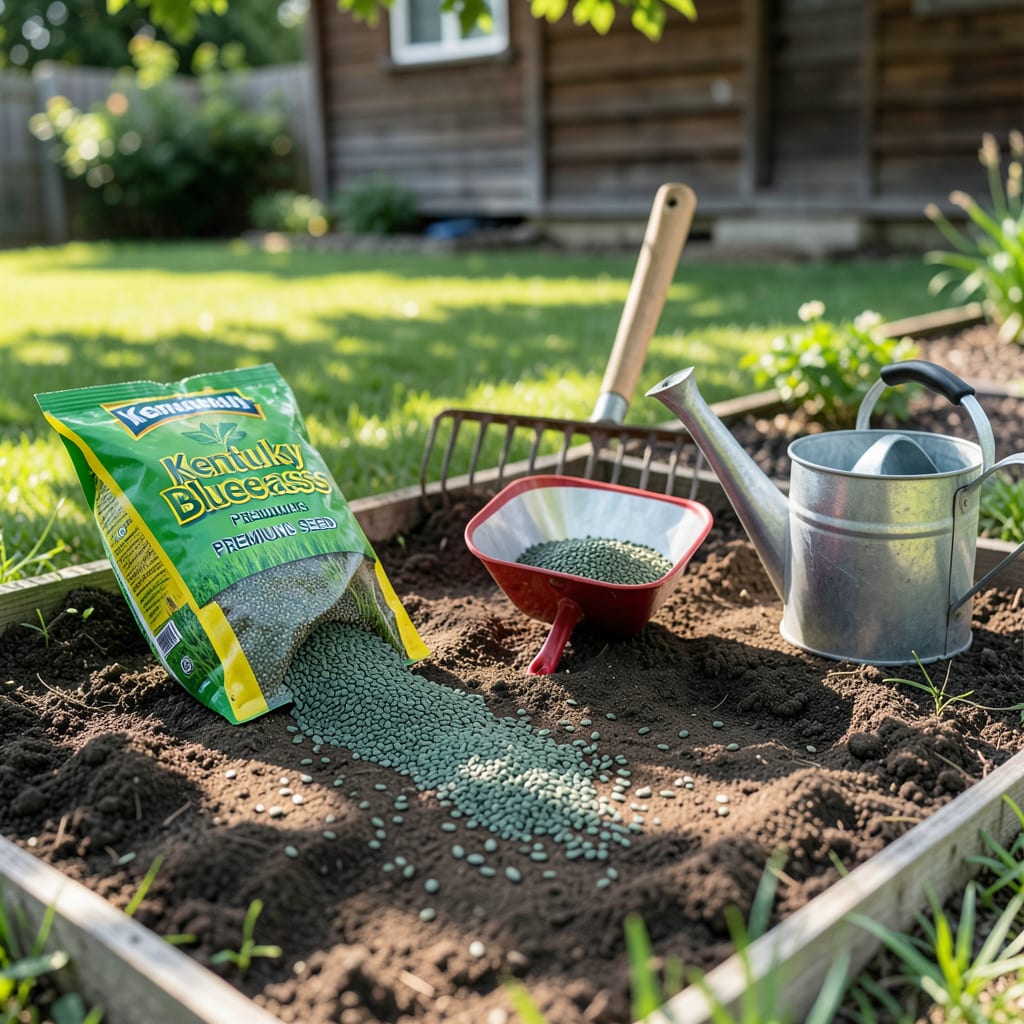
Timing can make or break your Wisconsin lawn—plant 🌱 too early, and late frosts might wipe out your efforts. Wait too long, and harsh winters could leave your grass struggling to survive.
After years of testing and local expertise, I’ve nailed down the perfect window for planting grass seed in Wisconsin’s unpredictable climate. Whether you’re in Milwaukee or up north, I’ll show you exactly when to plant for a thick, resilient lawn that thrives year-round.
If you’re dreaming of a lush, green lawn in Wisconsin, timing your grass seed planting is everything. Wisconsin’s climate—with its cold winters and variable springs—means you’ve got to work with Mother Nature, not against her. The best windows are early fall and late summer, but spring can work too if you play your cards right.
Wisconsin spans USDA zones 3-5, so your exact timing depends on where you live. In southern Wisconsin (zone 5), you can plant a bit earlier than up north (zone 3). The golden rule: Aim for soil temps between 50-65°F. Too cold, and seeds won’t germinate; too hot, and they’ll dry out.
| Climate Zone | Best Planting Window | Soil Temp Range | Recommended Grass Types |
|---|---|---|---|
| Northern WI (Zone 3-4) | Aug 15 – Sep 15 | 50-60°F | Kentucky Bluegrass, Fine Fescue |
| Central WI (Zone 4-5) | Aug 20 – Sep 20 | 55-65°F | Tall Fescue, Perennial Ryegrass |
| Southern WI (Zone 5) | Aug 25 – Sep 30 | 58-65°F | Turf-Type Tall Fescue, Kentucky Bluegrass |
| Spring Backup Window | April 15 – May 15 | 50-60°F | All cool-season grasses |
💡 Pro Tip: Use a soil thermometer to check temps at 2-inch depth—this is where seeds germinate!
Why does fall planting reign supreme? It’s all about root development. Cool nights and warm days create the perfect storm for germination. Seeds sprout quickly, and roots grow deep before winter hits. Come spring, your lawn will be thicker and healthier than spring-planted grass.
If you miss the fall window, spring planting is your backup. But beware: weed competition is fierce in spring. I recommend using a starter fertilizer with weed preventer (like Scotts Turf Builder Starter Food) to give grass a fighting chance. Just avoid planting too early—soil temps below 50°F will stall germination.
For northern Wisconsin, where winters are harsher, stick to cold-hardy grasses like Fine Fescue or Kentucky Bluegrass. These varieties handle freeze-thaw cycles better than others. In southern Wisconsin, you’ve got more flexibility—Tall Fescue thrives in the slightly warmer climate and handles summer droughts like a champ.
No matter where you live, soil prep is non-negotiable. Test your soil’s pH level—Wisconsin lawns do best in the 6.0-7.0 range. If your soil is too acidic (common in northern WI), add lime a few weeks before planting. For clay-heavy soils (looking at you, Milwaukee!), mix in compost to improve drainage.
After planting, watering is critical. Keep the soil consistently moist (but not soggy) for the first 2-3 weeks. I use a light mulch (like straw) to retain moisture and protect seeds from birds. Once grass reaches 2-3 inches tall, you can mow—but never cut more than 1/3 of the blade height at once!
One mistake I see too often? Planting too late in fall. If seeds don’t germinate before the first frost, they’ll likely die. In northern WI, aim to finish planting by September 15. In southern WI, you can push it to early October, but don’t cut it too close. Always check the 10-day forecast for frost warnings.
Finally, don’t forget about overseeding! If your lawn is thin or patchy, fall is the perfect time to thicken it up. Use a slice seeder for best results—it cuts grooves in the soil, ensuring better seed-to-soil contact. Pair it with a slow-release fertilizer, and you’ll see results in just a few weeks.
Whether you’re starting a new lawn or reviving an old one, Wisconsin’s fall planting window gives you the best shot at success. Mark your calendar, prep your soil, and get ready for the greenest lawn on the block next year! 🌱
When it comes to planting grass seed in Wisconsin, the spring vs. fall debate is a hot topic. Both seasons have their perks, but one clearly stands out for long-term success. Let me break down the pros and cons so you can decide what works best for your lawn.
Fall is the undisputed champion for most Wisconsin gardeners. The combination of warm soil and cool air creates ideal conditions for germination. Seeds sprout faster, and roots establish deeply before winter. Plus, fewer weeds compete with new grass in fall.
If you choose spring planting, timing is critical. Wait until soil temps hit 50°F—usually mid-April in southern Wisconsin and early May up north. Use a starter fertilizer with weed control to give grass a fighting chance against competitors.
For northern Wisconsin, fall planting should wrap up by September 15. In southern regions, you can push it to early October. Spring plantings need extra TLC—daily watering for the first 3 weeks and weekly mowing once grass reaches 3 inches.
One big advantage of spring? You can spot-treat weeds before they take over. I like using a pre-emergent herbicide (like prodiamine) 6 weeks before planting. Just remember: these products prevent all seeds from germinating, so apply them after your grass is established.
No matter which season you choose, soil prep is key. Test your pH—Wisconsin lawns thrive at 6.0-7.0. For clay-heavy soils, mix in compost to improve drainage. And always use a seed-to-soil contact method, like raking or a lawn roller, to boost germination rates.
My final verdict? Fall wins 9 times out of 10 for Wisconsin lawns. But if you miss that window, spring can work with extra care. Either way, proper timing and prep will give you the greenest lawn on the block! ✂️
Even with perfect timing, small mistakes can ruin your Wisconsin lawn. I’ve seen too many gardeners waste time and money on errors that are easily avoidable. Let’s dive into the top 5 pitfalls and how to sidestep them for a lush, healthy lawn.
First up: planting too late in fall. Wisconsin’s first frost can sneak up fast, especially in northern zones 3-4. Seeds need 4-6 weeks to establish before freezing temps hit. In Green Bay, finish by September 10; in Madison, you’ve got until early October.
Another common blunder? Planting in summer. Wisconsin’s July-August heat stresses young grass. If you must plant in warm months, choose drought-tolerant Tall Fescue and water daily during the first month. Even then, results won’t match fall plantings.
Don’t overlook seed-to-soil contact. Simply broadcasting seeds on top of soil leads to poor germination. Use a lawn roller or lightly rake seeds into the top 1/4 inch of soil. For sloped areas, consider erosion-control blankets to keep seeds in place during germination.
Finally, watch out for weed killers applied too close to planting. Herbicides like glyphosate can linger in soil for weeks. If you’ve treated weeds, wait at least 4 weeks before planting grass seed, or use a weed-and-feed product labeled safe for new lawns.
By avoiding these mistakes, you’ll give your Wisconsin lawn the best chance to thrive. Remember: success starts with proper timing, soil prep, and consistent care during those critical first weeks. Your future self will thank you when you’re enjoying the greenest lawn on the block! 🌿
Planting too early exposes seeds to late frosts, which can kill tender sprouts. Wisconsin’s unpredictable springs mean soil temps might still be below 50°F—too cold for germination. Always check the 10-day forecast and use a soil thermometer to confirm temps before planting.
It’s risky! Summer’s high heat and potential drought stress young grass. If you must, choose drought-tolerant Tall Fescue and water daily for the first month. Early morning watering helps prevent evaporation and fungal growth.
Test soil temperature at 2-inch depth—it should be 50-65°F. Also, check moisture: squeeze a handful of soil; if it crumbles easily, it’s ready. For clay-heavy soils common in Wisconsin, mix in compost to improve drainage before planting.
In northern Wisconsin, finish by September 15. For central/southern regions, early October is safe. Seeds need 4-6 weeks to establish before frost. Always check your local first frost date and plant at least a month beforehand.
Mostly no—Wisconsin’s cool-season grasses (Kentucky Bluegrass, Tall Fescue) follow the same timing. However, Fine Fescue germinates faster and can be planted slightly later in fall. Always match grass type to your region’s USDA zone for best results.
