
Beautiful Plants For Your Interior
Beautiful Plants For Your Interior
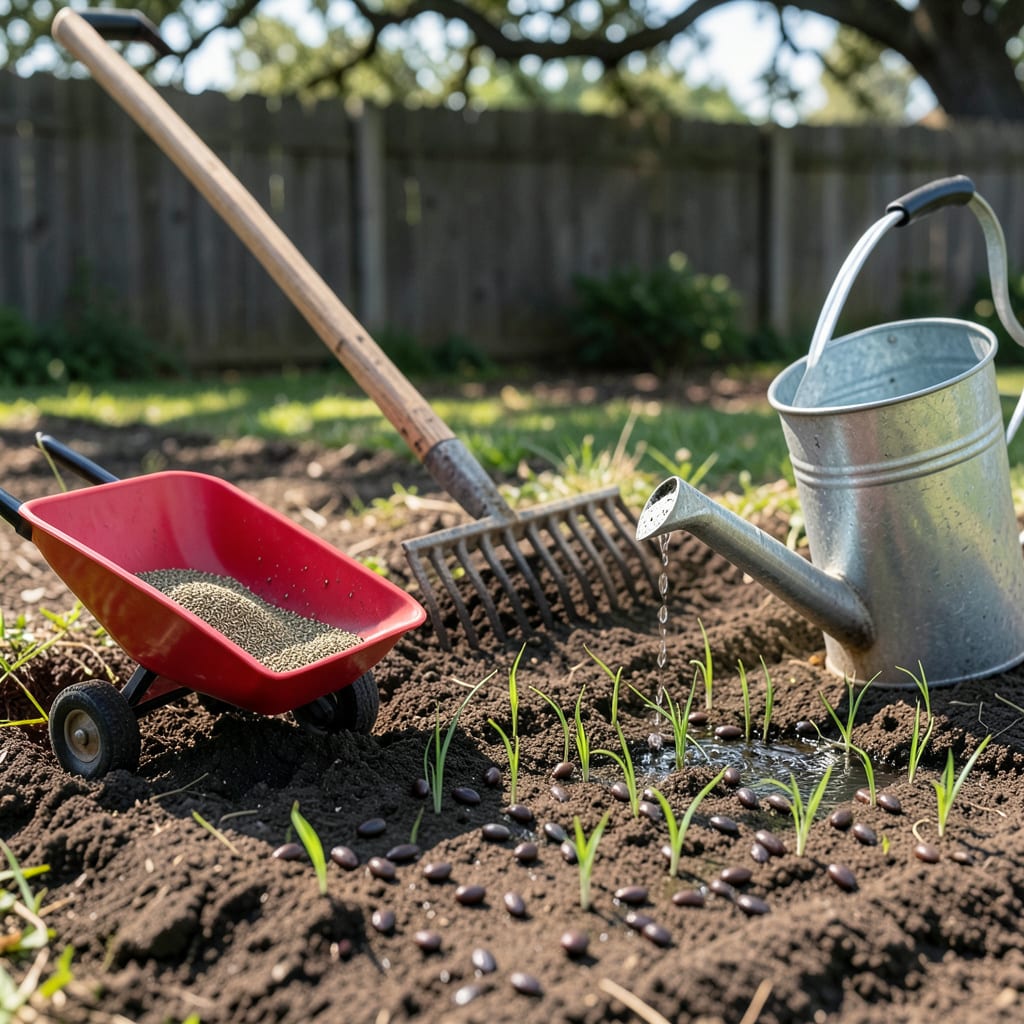
Timing isn’t just important when planting grass seed in Texas—it’s everything. Plant too early, and summer heat fries your seedlings. Wait too late, and frost stunts their growth. But nail that sweet spot, and you’ll have a lawn so lush, your neighbors will ask for your secret.
After years of testing and Texas A&M research, I’ve cracked the code for 7a-10b zones. Whether you’re in Dallas or Houston, I’ll show you the exact months to plant for faster germination, deeper roots, and a yard that stays green through droughts and freezes. Let’s get started.
If you’ve ever struggled with a patchy lawn in Texas, you know timing is everything. The Lone Star State’s diverse climate means what works in Dallas won’t fly in Houston. Plant too early, and summer heat will fry your seedlings. Plant too late, and winter frost will wipe them out.
Texas spans USDA zones 6a to 10b, with dramatic differences between North, Central, and South regions. The key is matching your planting window to your local soil temperatures and frost dates. Let’s break down the best months for your area.
| Region | Best Months | Grass Types | Soil Temp Range | Key Consideration |
|---|---|---|---|---|
| North Texas (Dallas, Fort Worth) | Sept 1 – Oct 15 | Tall Fescue, Ryegrass, Bermudagrass | 60-75°F | Avoid late Nov frosts |
| Central Texas (Austin, San Antonio) | Aug 15 – Oct 30 | Zoysia, Buffalograss, St. Augustine | 65-80°F | Watch for summer drought |
| South Texas (Houston, Corpus Christi) | Oct 1 – Nov 15 | St. Augustine, Centipede, Bermudagrass | 70-85°F | Humidity helps germination |
| West Texas (El Paso, Lubbock) | Aug 1 – Sept 30 | Buffalograss, Bermudagrass | 75-90°F | Low rainfall – irrigate |
In North Texas, I recommend planting cool-season grasses like tall fescue in early September. The soil is still warm from summer, but cooler air temperatures reduce stress on new seedlings. For warm-season grasses like Bermudagrass, late spring (May) works, but fall planting gives better results.
Central Texas gardeners have more flexibility. I’ve found August 15 to October 30 is the sweet spot. The key here is avoiding both summer drought and early winter frosts. Zoysia and St. Augustine perform exceptionally well in this region’s clay soils.
Down in South Texas, the planting window shifts later. October through mid-November is ideal because the humidity remains high, which helps with germination. St. Augustine is the star performer here, thriving in the heat and humidity that would kill other grasses.
West Texas presents unique challenges with its arid climate. I always recommend planting by September 30 to give roots time to establish before winter. Buffalograss is your best bet—it’s drought-tolerant and handles the heat better than most species.
Remember, these are general guidelines. Always check your local soil temperature—it should be consistently above 50°F for cool-season grasses and 70°F for warm-season varieties. I use a simple soil thermometer to take the guesswork out of planting.
One pro tip I swear by: plant 4-6 weeks before your first expected frost. This gives roots enough time to establish without the stress of freezing temperatures. In Texas, that timing varies from early November in the Panhandle to late December along the coast.
Don’t forget about soil preparation—it’s just as important as timing. I always recommend aerating compacted soil and adding a thin layer of compost before planting. This gives your grass seeds the best possible start in Texas’ challenging clay soils.
🌱Choosing between warm-season and cool-season grasses in Texas isn’t just about preference—it’s about survival. I’ve seen too many lawns struggle because homeowners picked the wrong type for their climate zone. Let me show you exactly when to plant each variety for maximum success.
The secret lies in matching your grass type to Texas’ bipolar weather patterns. Warm-season grasses like Bermudagrass thrive in our scorching summers, while cool-season varieties like fescue handle our occasional winter chills. Timing your planting to these natural cycles makes all the difference in establishment rates.
| Grass Type | Best Planting Months | Ideal Soil Temp | Germination Time | Water Needs |
|---|---|---|---|---|
| Bermudagrass | May-July | 70-90°F | 7-14 days | High (daily until established) |
| Zoysia | April-June | 65-85°F | 14-21 days | Medium (every 2-3 days) |
| St. Augustine | March-May | 75-85°F | 10-14 days | High (daily in heat) |
| Tall Fescue | Sept-Oct | 50-65°F | 14-21 days | Medium (every 3 days) |
| Ryegrass | Oct-Nov | 55-70°F | 5-10 days | High (daily for 2 weeks) |
For warm-season grasses, I always recommend planting in late spring to early summer. Bermudagrass does best when planted in May through July when soil temps consistently hit 70°F+. This gives it time to establish before our brutal summer heat arrives in full force.
Cool-season grasses like tall fescue need completely different treatment. September through October is perfect because the soil stays warm while air temperatures cool. This combination reduces stress on new seedlings while preventing heat damage. I’ve found this timing also minimizes competition from summer weeds.
Watering makes or breaks your new lawn. For warm-season grasses, I use a daily misting schedule for the first two weeks, then taper to every other day. Cool-season grasses need less frequent but deeper watering—about 1 inch per week including rainfall. Always water in the early morning to prevent fungal issues.
Don’t overlook soil prep! I always recommend testing your soil pH before planting. Texas soils tend to be alkaline, so you might need to amend with sulfur for cool-season grasses. A simple soil test kit from your local extension office takes the guesswork out of preparation. 🌱
After helping hundreds of Texas homeowners fix their lawns, I’ve seen the same five mistakes ruin grass seed planting efforts year after year. These errors waste time, money, and water—especially in our unpredictable Texas climate. Let me show you exactly what to avoid for a lush lawn.
The biggest issue I see is ignoring soil preparation. Many Texans just toss seed on hard, compacted soil and hope for the best. Without proper aeration and organic matter, those seeds either wash away or fail to germinate. Our clay-heavy soils need special attention before planting.
The depth mistake is particularly common. Grass seeds need to be planted at 1/4 inch depth maximum. I recommend using a lawn roller after broadcasting to ensure good seed-to-soil contact without burying them too deep. A simple drag mat works wonders for even distribution.
Watering errors cause more failed lawns than anything else. In Texas, we need to balance consistent moisture with proper drainage. I use the “finger test”—stick your finger in the soil. If the top inch is dry, it’s time to water. Early morning watering (before 8 AM) prevents evaporation and fungal growth.
Perhaps the most costly mistake is choosing the wrong grass type for your region. I’ve seen homeowners in Houston plant Kentucky Bluegrass, which struggles in our heat. Always match your grass to your USDA zone and sun exposure. The Texas A&M AgriLife Extension has excellent regional recommendations.
🌱Texas’ extreme temperature swings make timing critical. Plant too early, and summer heat will scorch tender seedlings. Wait too late, and winter frosts can kill new growth before roots establish. The 4-6 week window before first frost is ideal for root development.
It’s risky but possible for warm-season grasses like Bermudagrass. The key is early morning planting and frequent misting (2-3x daily) to combat heat stress. However, fall planting generally yields better results due to milder temperatures and more consistent moisture.
Check two things: temperature and texture. Use a soil thermometer—it should read 60-75°F for cool-season grasses or 70-85°F for warm-season varieties. The soil should also crumble easily when squeezed, not form a hard clump (indicating too much clay).
Skipping soil preparation! Many assume Texas soil is “good enough,” but our heavy clay needs amending. Always aerate compacted areas and mix in 2-3 inches of compost before planting. This improves drainage and gives roots a fighting chance in our tough climate.
Most grasses germinate in 7-21 days, but a “full” lawn takes patience. Warm-season grasses like Bermudagrass establish in about 8 weeks. Cool-season varieties may need 10-12 weeks for complete coverage. Consistent watering and mowing at 3 inches height speeds up the process.
