
Beautiful Plants For Your Interior
Beautiful Plants For Your Interior
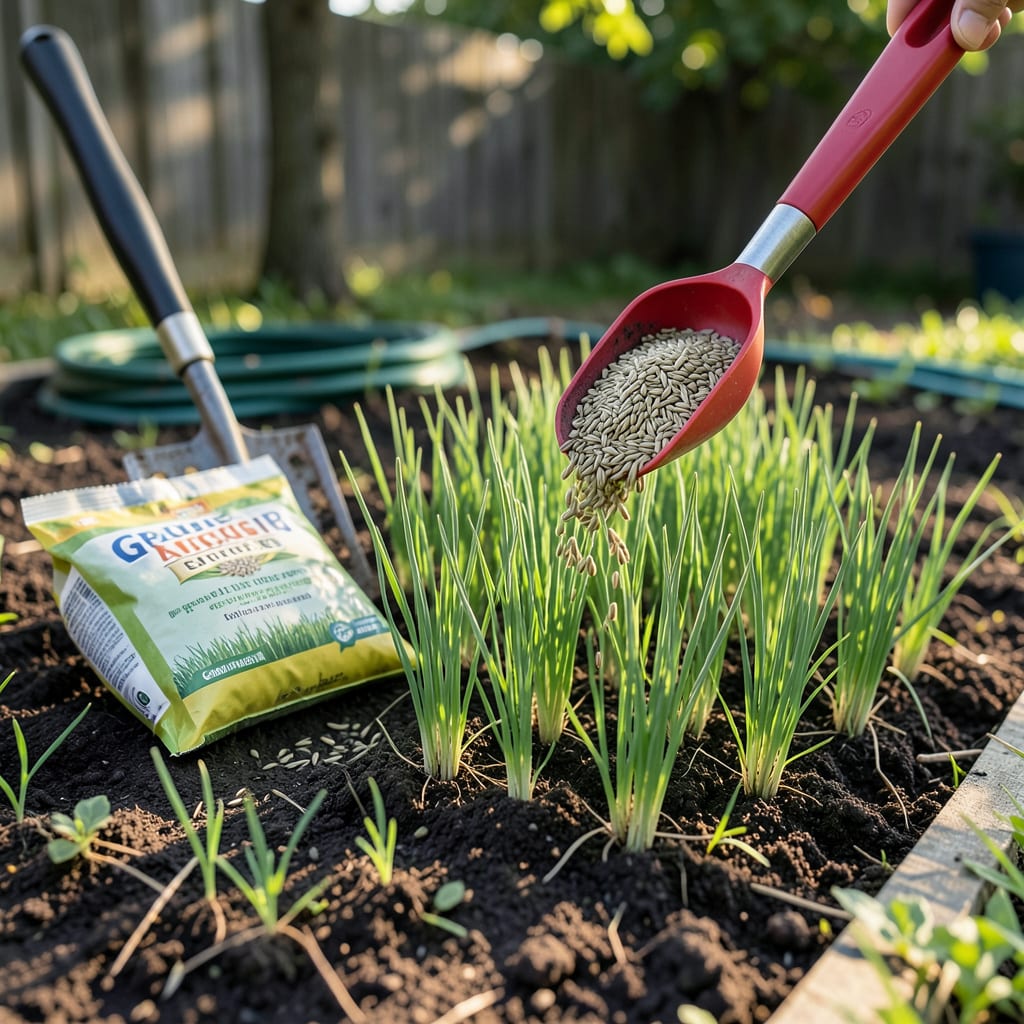
Timing can make or break your South Carolina lawn—plant 🌱 Grass seed at the wrong moment, and you might face patchy results or wasted effort. Our state’s unique climate, spanning zones 7b-9a, demands precision.
Whether you’re in the Piedmont or along the coast, I’ll show you the best seasonal windows to get that lush, green lawn you’ve been dreaming of. Let’s dig into the details—your perfect grass starts here.
If you want a lush, healthy lawn in South Carolina, timing your grass seed planting is critical. The state’s diverse climate—ranging from the cooler Piedmont to the humid Coastal Plains—means planting windows vary. I’ve found that fall is the gold standard for most grass types, but spring can work too if you’re strategic.
In the Piedmont region (think Greenville or Columbia), early fall (September to early October) is ideal. The soil stays warm, and cooler air temperatures reduce stress on new seedlings. For the Coastal region (Charleston or Myrtle Beach), late summer to early fall (August to September) works best, as the heat lingers longer.
| Region | Best Planting Window | Ideal Soil Temp | Grass Types | Key Considerations |
|---|---|---|---|---|
| Piedmont | September–October | 60–75°F | Tall Fescue, Zoysiagrass | Avoid late fall frost risk; prep clay soil |
| Coastal | August–September | 70–85°F | Bermudagrass, Centipedegrass | Watch for hurricanes; sandy soil drains fast |
| Both Regions | March–April | 55–70°F | Cool-season grasses only | Spring planting needs more watering |
For cool-season grasses like Tall Fescue, I recommend a spring planting window (March to April) if you missed fall. However, be prepared for more frequent watering, as spring can bring unpredictable rain. The key is ensuring soil temperatures stay above 50°F for at least two weeks.
If you’re in the Coastal region, avoid planting too late in fall. The first frost hits around December 1, so aim to plant 6–8 weeks earlier (mid-October at the latest). This gives roots time to establish before winter. In the Piedmont, you’ve got a bit more wiggle room, with frosts typically arriving mid-November.
One thing I always stress: soil prep matters more than timing. Test your soil’s pH—South Carolina’s clay-heavy Piedmont often needs lime to balance acidity, while coastal sandy soils may need organic matter. Aim for a pH of 6.0–6.5 for most grasses. Aerate compacted soil before planting to improve seed-to-soil contact.
Watering is another critical factor. New grass seed needs consistent moisture—about 1 inch per week, including rainfall. I use a light sprinkler twice daily (morning and evening) for the first two weeks, then taper off. Avoid watering at night, which can invite fungal diseases in our humid climate.
If you’re tempted to plant in summer, resist the urge! The Piedmont’s heat can scorch tender seedlings, and coastal humidity encourages fungal growth. The exception? Warm-season grasses like Bermudagrass, which can be planted in late spring (May–June) if you’re willing to babysit them with extra water.
For those in the Upstate (near the mountains), keep an eye on microclimates. Higher elevations can be 5–10°F cooler, so adjust planting times accordingly. A soil thermometer is your best friend—wait until it reads 60°F at 2-inch depth before planting in spring or fall.
Finally, don’t forget about starter fertilizer. I apply a slow-release 16-4-8 blend at planting to give seedlings a nutrient boost. Avoid high-nitrogen fertilizers in late fall, which can promote weak growth vulnerable to winter kill. Instead, opt for a root-strengthening formula with phosphorus.
By matching your planting time to your region and grass type—and nailing the prep work—you’ll set your lawn up for success. Whether you’re overseeding a thin lawn or starting from scratch, September and October are your best bets for a thick, green carpet next year. 🌱
Choosing the right grass seed for South Carolina’s climate is just as important as timing. The state’s diverse regions—from the humid Coast to the cooler Piedmont—demand different varieties. I’ll break down the top performers and their ideal planting windows.
For the Coastal region, Bermudagrass and Centipedegrass thrive in the heat and humidity. Bermudagrass loves full sun and handles salt spray well, making it perfect for beachside properties. Centipedegrass, with its low-maintenance reputation, is ideal for sandy soils.
| Grass Type | Best Region | Planting Window | Sun Needs | Drought Tolerance |
|---|---|---|---|---|
| Bermudagrass | Coastal | May–July | Full Sun (6-8 hrs) | High |
| Centipedegrass | Coastal | April–June | Partial Sun (4-6 hrs) | Medium |
| Zoysiagrass | Piedmont | May–June | Full Sun (6-8 hrs) | High |
| Tall Fescue | Piedmont | September–October | Partial Shade (4-6 hrs) | Medium |
In the Piedmont, Tall Fescue and Zoysiagrass are my top picks. Tall Fescue handles the cooler winters and stays green year-round, while Zoysiagrass offers drought resistance once established. Both need well-draining soil, so amend clay-heavy areas with compost.
Warm-season grasses like Bermudagrass and Zoysiagrass should be planted in late spring or early summer when soil temps hit 70°F+. They’ll establish quickly but require consistent watering during the first month. Avoid planting them in fall—they won’t survive winter dormancy as seedlings.
For cool-season grasses like Tall Fescue, fall planting (September–October) is non-negotiable. The cooler temps and reliable rainfall reduce stress on new seedlings. Spring planting is possible but riskier due to summer heat stress before roots fully develop.
If you’re dealing with shady areas, Tall Fescue or St. Augustinegrass (in Coastal zones) are your best bets. St. Augustine thrives in partial shade and humidity but needs more water than other varieties. For low-maintenance lawns, Centipedegrass is hard to beat—it requires minimal fertilizer and handles poor soils.
Pro tip: Always match your grass type to your region’s microclimate. For example, if you’re in Upstate SC (near the mountains), opt for cold-hardy Tall Fescue over heat-loving Bermudagrass. And don’t forget—soil testing before planting ensures you’re not wasting seed on nutrient-deficient ground. 🌱
Even with perfect timing, small errors can sabotage your South Carolina lawn. After years of trial and error, I’ve seen these five mistakes derail even the most well-intentioned planting efforts. Let’s tackle them head-on so your grass seed thrives, not dies.
The biggest blunder? Planting too late in fall. In the Coastal region, seeds sown after mid-October often face frost before roots establish. I’ve lost entire lawn sections by pushing the calendar—don’t repeat my mistake. Use a soil thermometer and stop planting when temps drop below 50°F.
Another critical error is ignoring soil pH. South Carolina’s Piedmont clay tends to be acidic (pH 5.0–5.5), while Coastal sands are often alkaline. I once planted Tall Fescue in untested soil—it struggled until I added pelletized lime to raise the pH. A $15 soil test saves hundreds in wasted seed.
Watering mistakes are equally damaging. New grass seed needs consistent moisture, but not puddles. I use a rain gauge to track weekly totals and adjust my sprinkler accordingly. In drought-prone summers, increase frequency to every other day for the first month. Remember: deep, infrequent watering encourages root growth.
Finally, don’t overlook seed-to-soil contact. Simply broadcasting seed onto hard ground guarantees poor germination. I rake the soil lightly before planting, then cover seeds with a ¼-inch layer of compost. For slopes, use a mulch blanket to prevent washout during heavy rains. This small step doubles germination rates in my experience.
By avoiding these pitfalls—especially late planting and poor soil prep—you’ll give your grass the strongest start possible. Pair these tips with the right timing from earlier sections, and you’re on track for the lushest lawn on the block. 🌱
Coastal areas like Charleston have sandy soil and warmer temps, so plant August–September. The Piedmont (Greenville/Columbia) has clay soil and cooler nights, making September–October ideal. Coastal lawns also face hurricane risks, so avoid late fall planting.
It’s risky! Summer’s 90°F+ temps and humidity stress seedlings. The exception is warm-season grasses like Bermudagrass, planted in late spring. If you must summer-plant, water twice daily (morning/evening) and use shade cloth for delicate varieties.
Bermudagrass establishes quickest in warm regions (7–10 days to germinate). For cooler Piedmont areas, Tall Fescue grows steadily in 10–14 days when planted in fall. Speed depends on soil temp (aim for 60–75°F) and consistent moisture.
Test three key factors: pH (6.0–6.5), temperature (50°F+ at 2-inch depth), and moisture (squeeze test—it should crumble, not clump). Amend clay soils with compost or sandy soils with peat moss. A $15 soil test kit prevents costly mistakes.
Yes, if seeds haven’t germinated. Frost kills tender shoots, so plant 6–8 weeks before your first frost date (November 15 in Piedmont, December 1 Coastal). Use a soil thermometer—stop planting when temps drop below 50°F. Protect young lawns with straw mulch if frost threatens.
