
Beautiful Plants For Your Interior
Beautiful Plants For Your Interior
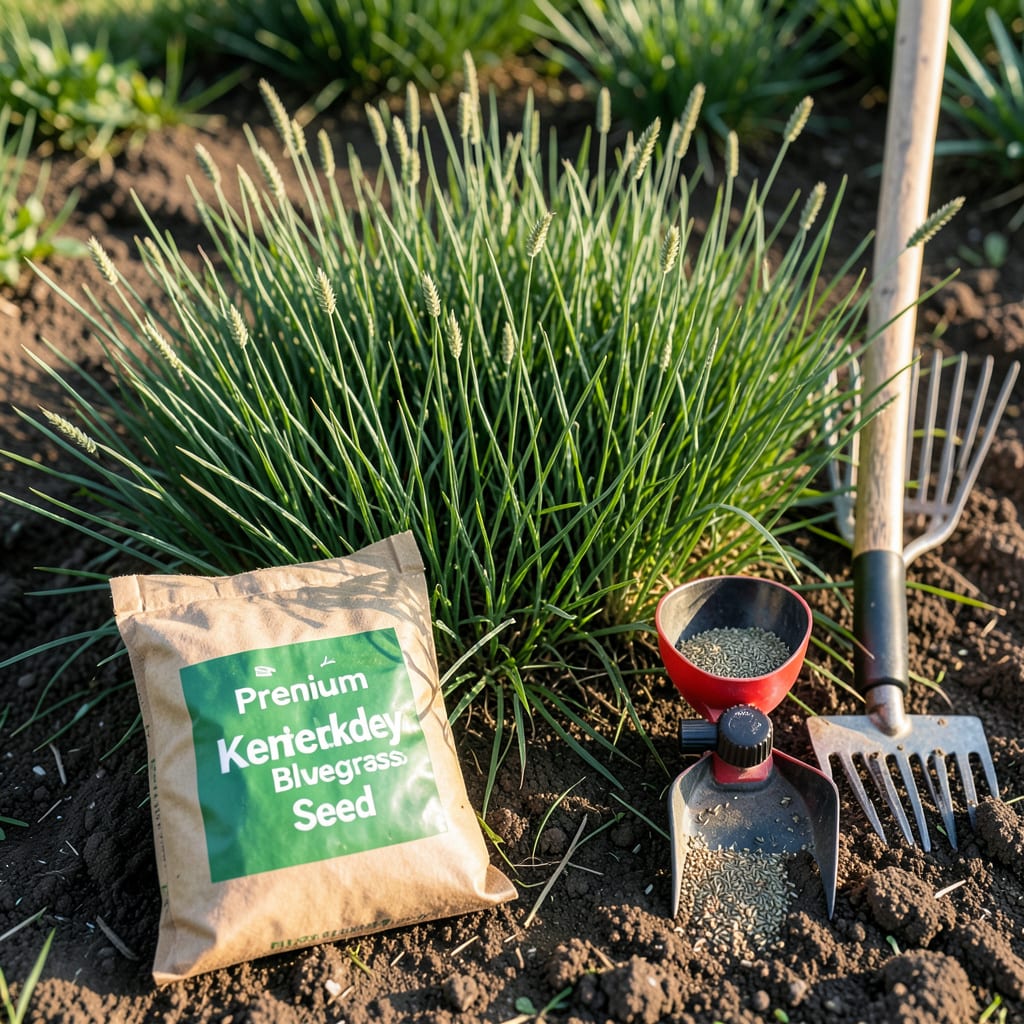
Timing isn’t just important—it’s everything when planting 🌱 grass seed in Missouri. Plant too early, and a late frost could wipe out your efforts. Wait too long, and summer’s scorching heat might fry those tender new sprouts before they even take root.
But here’s the good news: Missouri’s climate gives you two prime windows to get it right. Whether you’re in Zone 5b or 7a, I’ll break down exactly when to plant for a lawn so lush, your neighbors will ask for your secret. Let’s dig into the details.
If you’ve ever struggled with patchy grass or weak germination, timing might be your issue. In Missouri, our USDA Zones 5b–7a create a unique challenge—plant too early, and late frosts can wipe out tender sprouts; plant too late, and summer heat will stress new growth. The secret? Align your planting with soil temperature, not just the calendar.
I always recommend focusing on fall planting (late August through mid-October) as the gold standard for Missouri lawns. The cooler air temperatures and warm soil create perfect conditions for cool-season grasses like Kentucky bluegrass and tall fescue to establish roots before winter. Spring planting (March–April) works too, but it comes with more weeds and watering demands. 🌱
💡 Pro Tip: For fall planting, aim to seed 6–8 weeks before your zone’s first frost date. This gives roots time to establish before winter dormancy.
Northern Missouri gardeners (Zone 5b) need to be especially cautious. Your shorter growing season means planting too late in fall risks frost damage, while spring planting must wait until after the last frost date (typically mid-April). I’ve seen many lawns fail here because folks jump the gun in early March—only to lose seedlings to a surprise freeze.
Central Missouri (Zones 6a/6b) has more flexibility. If you miss the ideal fall window, early spring still works well, but you’ll need to stay on top of weed control and watering. The key is monitoring soil temperature—it should be consistently above 50°F (10°C) for germination. A simple soil thermometer (available at any garden center) takes the guesswork out of timing. ☀️
Down in southern Missouri (Zone 7a), you’re lucky—your longer growing season allows for earlier spring planting and later fall seeding. However, this region’s hotter summers make fall planting even more critical. Warm-season grasses like Zoysia or Bermuda can work here, but they’ll go dormant and brown in winter. Stick with cool-season blends for year-round green.
No matter your zone, soil preparation is non-negotiable. A week before planting, I recommend aerating compacted soil, removing debris, and adding a thin layer of compost. This ensures good seed-to-soil contact, which is just as important as timing. For new lawns, consider a starter fertilizer (high in phosphorus) to boost root development.
Watering is where most people go wrong. New grass seed needs consistent moisture—think light daily watering (just enough to keep the top inch of soil damp) for the first 2–3 weeks. After germination, shift to deep, infrequent watering (1 inch per week) to encourage deep roots. Early morning is ideal to reduce evaporation and fungal risks. 💧
If you’re overseeding an existing lawn, mow low (about 2 inches) before planting to reduce competition. Use a seed spreader for even coverage, and lightly rake the seeds into the soil. A thin layer of straw mulch (not hay!) helps retain moisture without smothering seedlings. Avoid heavy foot traffic for at least 4 weeks to let new grass establish.
Finally, don’t forget about post-planting care. Once your grass reaches 3–4 inches tall, it’s time for the first mow. Set your mower blade high to avoid stressing the young plants. And hold off on heavy fertilizer until after the first mowing—too much nitrogen early on can burn tender roots. With the right timing and care, you’ll have a lush, resilient lawn that’s the envy of the neighborhood! 🌿
Choosing the right grass type for Missouri’s climate can make or break your lawn. Our state’s diverse zones (5b–7a) mean what thrives in Kansas City might struggle in St. Louis. The key is matching your grass to your region’s temperature extremes, sunlight, and soil conditions.
Most Missouri lawns do best with cool-season grasses like Kentucky bluegrass, tall fescue, or fine fescue. These varieties stay green nearly year-round, handle our cold winters, and bounce back from drought better than warm-season options. But if you’re in southern Missouri (Zone 7a), you’ve got more flexibility. 🌱
💡 Pro Tip: For most Missouri lawns, a blend of 80% tall fescue and 20% Kentucky bluegrass offers the best balance of durability, drought resistance, and year-round color.
Tall fescue is my top recommendation for most Missouri lawns. It handles our hot summers and cold winters equally well, resists drought, and stays green longer than other cool-season grasses. The newer turf-type varieties (like ‘Titan’ or ‘Kentucky 31’) are especially disease-resistant and soft underfoot.
If you’re in northern or central Missouri, Kentucky bluegrass blends work beautifully for sunny areas. It spreads via rhizomes to fill in bare spots naturally, but it does require more water than fescue. For shady yards, mix it with fine fescue—this combo thrives under trees where other grasses struggle.
Southern Missouri gardeners can experiment with warm-season grasses like Zoysia or Bermuda. These thrive in heat but go dormant (brown) at the first frost. If you want year-round green, stick with cool-season blends or overseed warm-season lawns with ryegrass in fall. Just remember: warm-season grasses need more maintenance (frequent mowing, dethatching) to stay healthy. ✂️
For high-traffic areas (like play spaces or pet runs), I recommend tall fescue blends with added perennial ryegrass. This combo handles foot traffic better than pure bluegrass lawns. If you’re dealing with clay soil, work in 2–3 inches of compost before planting to improve drainage and root penetration.
Don’t overlook soil testing—it’s the secret weapon for a perfect lawn. Missouri’s native soils vary dramatically, from heavy clay in the north to rocky limestone in the Ozarks. A $15 test from your local extension office will reveal pH imbalances and nutrient deficiencies, letting you amend the soil before planting. Ideal pH for most grasses is 6.0–7.0. 🌡️
Even with perfect timing, small missteps can sabotage your Missouri lawn. I’ve seen too many gardeners waste time and money on mistakes that are easy to avoid. The most common? Ignoring soil prep—skipping this step is like building a house without a foundation. Your grass seed needs loose, nutrient-rich soil to germinate properly.
Another big blunder is planting before the last frost in spring or too close to the first frost in fall. Missouri’s weather is unpredictable—what looks like a warm spring day can turn into a killing frost overnight. Always check the 10-day forecast before planting, and use a soil thermometer to confirm temperatures are consistently above 50°F (10°C). 🌡️
⚠️ Quick Fix: If you’ve already planted and see patchy growth, overseed thin areas and apply a light starter fertilizer (10-10-10 NPK) to boost recovery.
Watering mistakes are another lawn killer. New grass seed needs light, frequent watering—think daily misting to keep the top inch of soil damp for the first 2–3 weeks. After germination, switch to deep, infrequent watering (1 inch per week) to encourage deep roots. Many folks drown their seeds or let them dry out—both lead to poor germination. 💧
Choosing the wrong grass type for your location is a costly error. Planting warm-season grasses like Bermuda in northern Missouri? They’ll die back at the first frost. Using shade-loving fine fescue in full sun? It’ll burn out by July. Always match your grass to your zone, sunlight, and soil type. When in doubt, tall fescue is the safest bet for most Missouri lawns.
Finally, don’t forget post-planting care. Once your grass reaches 3–4 inches tall, mow it—yes, even if it looks sparse. Use a sharp blade set to 3 inches high to avoid pulling up young plants. Skip heavy fertilizer until after the first mowing, and avoid herbicides for at least 6–8 weeks post-planting. With these fixes, you’ll sidestep the pitfalls that trip up most Missouri gardeners! 🌿
Fall planting (late August–mid-October) gives grass roots time to establish before winter dormancy. The cooler air and warm soil create ideal conditions, while spring planting competes with weeds and requires more watering. Fall-seeded lawns typically germinate faster and develop stronger root systems.
It’s risky in most of Missouri. Summer heat and drought stress new seedlings, leading to poor germination. If you must plant in summer, choose heat-tolerant varieties like tall fescue and water twice daily to keep soil moist. Early morning watering is critical to prevent evaporation.
Check three things: temperature (above 50°F), moisture (like a damp sponge), and texture (loose, not compacted). Use a soil thermometer for accuracy. If your soil is too dry or hard, work in compost and water thoroughly before planting. A simple squeeze test can reveal moisture levels.
Perennial ryegrass germinates in just 5-10 days, making it the quickest option. However, it’s best used as a temporary cover or mixed with slower-growing varieties like Kentucky bluegrass. For permanent lawns, tall fescue establishes well within 2-3 weeks under ideal conditions.
Wait until your grass reaches 3-4 inches tall, usually 4-6 weeks after planting. Use a sharp mower blade set to 3 inches high for the first cut. Never remove more than one-third of the blade length at once to avoid stressing young plants.
