
Beautiful Plants For Your Interior
Beautiful Plants For Your Interior
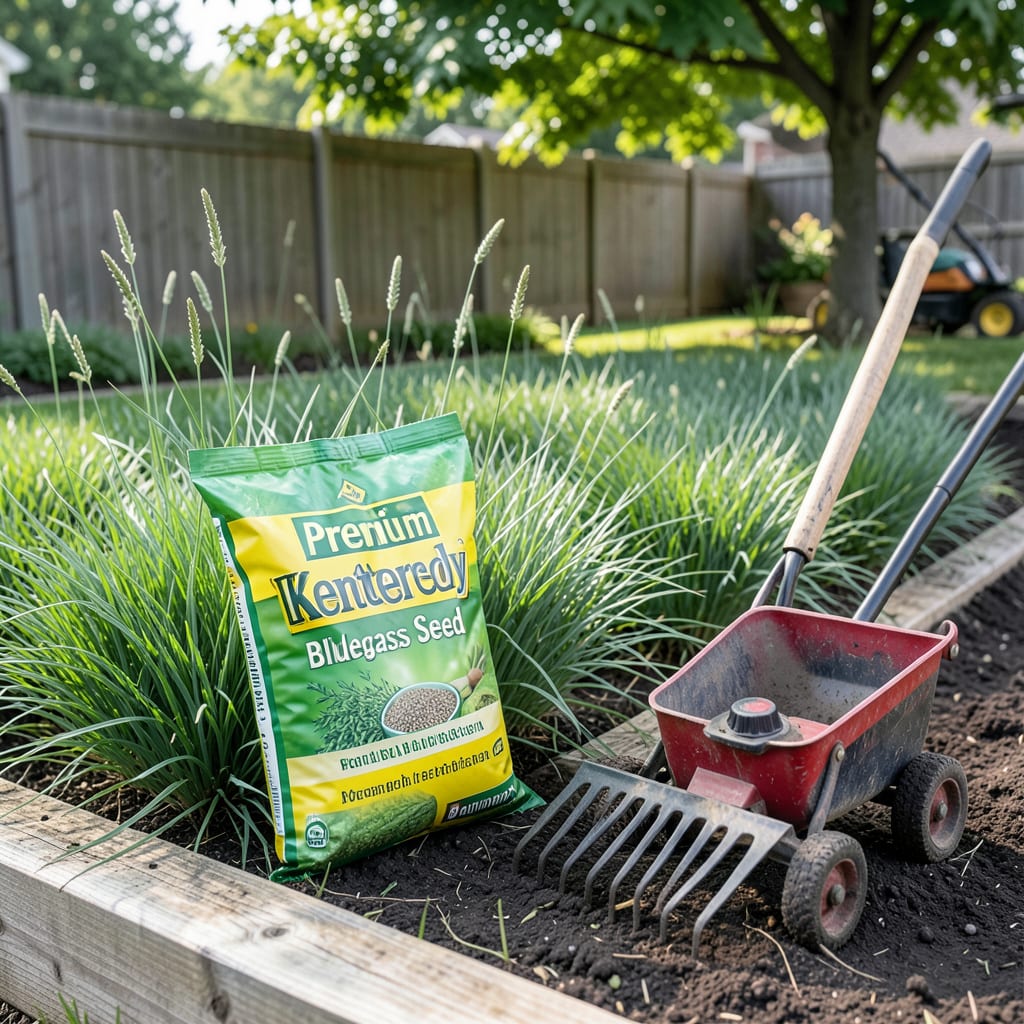
That perfect Massachusetts lawn doesn’t happen by accident—it starts with one critical decision: when to plant your grass seed. Get the timing wrong, and you’re fighting weeds, patchy growth, or winter kill before your turf even takes root.
After testing seasons and soil temps across zones 6a-7b, I’ve nailed the ideal windows for thick, resilient grass. Whether you’re overseeding in fall or starting fresh in spring, I’ll show you exactly how to sync with Massachusetts’ climate—no guesswork, just results.
If you’re dreaming of a lush, green lawn in Massachusetts, timing your grass seed planting is the secret to success. Our state’s unpredictable weather—from coastal fog to inland frosts—means you’ve got to work with Mother Nature, not against her. The best windows are early fall (August–September) and spring (April–May), but fall takes the crown for reliability.
Why fall? Cool-season grasses like Kentucky Bluegrass and Tall Fescue thrive when soil temps hover between 50–65°F. Planting 6–8 weeks before the first frost (around October 15 for most of MA) gives roots time to establish without summer’s scorching heat or spring’s heavy rains washing seeds away.
| Season | Best Months | Soil Temp Range | Key Benefits | Watch Out For |
|---|---|---|---|---|
| Early Fall | Aug 15–Sep 30 | 55–65°F | Less competition from weeds, ideal moisture | Early frosts in inland areas |
| Late Fall | Oct 1–15 | 50–58°F | Cooler temps reduce stress on seedlings | Risk of frost before germination |
| Spring | Apr 15–May 15 | 50–60°F | Warmer soils speed germination | Heavy rains, weed competition |
| Summer | June–Aug | 70°F+ | Fast germination in warm soil | Drought stress, high weed pressure |
For coastal areas like Cape Cod, you can push fall planting into early October thanks to milder temperatures. But in Western MA (Zones 5–6), aim to finish by September 20 to avoid frost damage. Spring planting works too, but you’ll battle crabgrass and may need extra watering if May turns dry.
Soil prep is non-negotiable. Test your soil’s pH (ideal: 6.0–7.0) and loosen compacted areas with a core aerator. I always mix in 1–2 inches of compost before seeding—it improves drainage in our clay-heavy soils and gives seeds a nutrient boost. Pro tip: Use a starter fertilizer (like 10-10-10) at planting to jumpstart growth.
Watering is where most DIYers go wrong. New seed needs light, frequent watering—think daily misting (or twice daily if temps top 80°F) to keep the top inch of soil moist. Once seedlings hit 2 inches tall, switch to deep, infrequent watering (1 inch per week) to encourage deep roots. A rain gauge is your best friend here!
If you’re overseeding an existing lawn, mow low (1.5 inches) and rake out thatch first. For bare spots, use a slit seeder to ensure seed-to-soil contact. And don’t skimp on seed—aim for 4–6 lbs per 1,000 sq ft for new lawns, 2–3 lbs for overseeding. I’ve seen too many patchy lawns from under-seeding!
Watch the 10-day forecast before planting. If nighttime temps will dip below 40°F within a week, hold off—cold snaps can stall germination. Conversely, if a heat wave is coming, delay planting or use shade cloth to protect seedlings. Massachusetts weather loves to keep us on our toes!
For shady areas, opt for Fine Fescue or a shade-tolerant blend, and plant in early September when tree canopies start thinning. Avoid spring planting in shade—cool, damp conditions invite fungal diseases like powdery mildew. If you’re dealing with sandy soil (common on the Cape), mix in peat moss to retain moisture.
Finally, resist the urge to mow until your new grass reaches 3–4 inches tall. When you do mow, never remove more than ⅓ of the blade at once. And if you planted in fall, apply a winterizer fertilizer (high in potassium) in late November to strengthen roots for spring. Trust me, your lawn will thank you next year! 🌱
Even with perfect timing, small mistakes can derail your Massachusetts lawn. I’ve seen too many DIYers plant grass seed only to end up with patchy, weak turf—or worse, a yard full of weeds. The culprits? Season-specific errors that are easy to avoid once you know what to watch for.
In fall, the biggest mistake is planting too late. If you sow seed after October 1 in most of MA, seedlings may not establish before frost. Coastal areas buy you an extra week or two, but Western MA’s Zone 5 demands earlier planting—aim for September 15 as your cutoff.
Spring planting has its own traps. Heavy April rains can wash away seed or create muddy conditions that suffocate germination. If you’re planting in spring, use a slit seeder to bury seed ¼-inch deep and prevent washout. Avoid planting during late May heatwaves—soil temps above 70°F stress cool-season grasses.
Another spring mistake? Forgetting crabgrass pre-emergent. If you plant seed and apply pre-emergent herbicide, you’ll kill your grass too. Instead, hand-pull weeds or use post-emergent herbicides 6 weeks after germination. I learned this the hard way after losing a whole section of lawn to crabgrass!
In summer, the error is even simpler: planting at all. While it’s possible to seed in June or July, the drought stress and weed competition make it a losing battle. If you must plant, choose drought-tolerant Tall Fescue, water twice daily, and use shade cloth to protect seedlings from midday sun.
For shady areas, timing mistakes are costly. Planting in late spring under trees means seedlings compete with thirsty roots and dense canopy. Instead, seed in early September when trees drop fewer leaves and sunlight filters through more easily. And always choose shade-tolerant mixes with Fine Fescue or Creeping Red Fescue.
Finally, post-planting care errors wreck even well-timed lawns. Mowing too soon (before grass hits 3–4 inches) or cutting more than ⅓ of the blade shocks young roots. And skipping winterizer fertilizer in November leaves your lawn vulnerable to snow mold and cold damage. A little extra effort now saves hours of rework next year! 🌿
Not all grass seed thrives in Massachusetts’ cool-season climate. After testing dozens of varieties in my own yard, I’ve narrowed it down to three winners that handle our clay soils, coastal winds, and temperature swings. The key? Matching the grass to your lawn’s sunlight, traffic, and soil type.
Kentucky Bluegrass is the gold standard for high-traffic lawns—think kids, pets, and backyard BBQs. It spreads via rhizomes, filling in bare spots naturally. Plant it in early fall (August–September) or spring (April–May) when soil temps hit 50–65°F. Just be warned: it needs full sun (6+ hours daily) and struggles in shade.
| Grass Type | Best For | Planting Time | Sun Needs | Drought Tolerance | Traffic Tolerance |
|---|---|---|---|---|---|
| Kentucky Bluegrass | High-traffic lawns | Aug–Sep or Apr–May | Full sun | Moderate | Excellent |
| Tall Fescue | Drought-prone areas | Sep–Oct or Mar–Apr | Full sun to partial shade | High | Good |
| Perennial Ryegrass | Fast germination | Aug–Sep or Apr–May | Full sun to partial shade | Low | Very Good |
| Fine Fescue | Shady, low-maintenance areas | Sep or Apr | Partial shade | Moderate | Low |
Tall Fescue is my top pick for drought-prone areas (looking at you, Cape Cod and sandy soils). Its deep roots make it the most drought-tolerant cool-season grass. Plant it September–October for best results, or March–April in spring. It handles partial shade better than Kentucky Bluegrass but grows in clumps, so it won’t spread to fill gaps.
Need fast results? Perennial Ryegrass germinates in just 5–10 days—perfect for overseeding thin lawns or quick repairs. Plant it in early fall (August–September) or spring (April–May). It blends well with Kentucky Bluegrass but struggles in extreme heat or drought, so pair it with Tall Fescue for resilience.
For shady spots under trees or along north-facing walls, Fine Fescue is your best bet. It thrives in low light and poor soil, making it ideal for urban yards with compacted earth. Plant it in early September or April, and avoid heavy foot traffic—it’s delicate! Mix it with Creeping Red Fescue for a softer, more durable shade lawn.
Pro tip: For most Massachusetts lawns, I recommend a blend of 50% Tall Fescue, 30% Kentucky Bluegrass, and 20% Perennial Ryegrass. This combo balances drought tolerance, traffic resistance, and quick establishment. Always check the seed label for weed content—aim for 0.1% or less to avoid future headaches! 🌿
It’s not recommended. Summer’s heat and drought stress make it tough for cool-season grasses to establish. If you must, choose drought-tolerant Tall Fescue, water twice daily, and use shade cloth. Fall or spring planting yields far better results.
Most cool-season grasses germinate in 7–21 days under ideal conditions. Perennial Ryegrass sprouts fastest (5–10 days), while Kentucky Bluegrass can take up to 3 weeks. Keep soil consistently moist but not soggy during this period.
Aim to finish by October 1 in most of MA to give roots 4–6 weeks before frost. Coastal areas (like Cape Cod) can push to mid-October, but inland zones (5–6) should wrap up by September 20 for best results.
Yes! Use a starter fertilizer (like 10-10-10 or 20-0-5) at planting to boost root growth. Avoid weed-and-feed products—they can harm new seedlings. Apply 1 lb per 1,000 sq ft and water it in lightly.
Water daily (or twice if temps exceed 80°F) to keep the top inch of soil moist. Use a gentle mist to avoid washing seeds away. Once grass reaches 2 inches tall, switch to deep watering 1–2x per week.
