
Beautiful Plants For Your Interior
Beautiful Plants For Your Interior
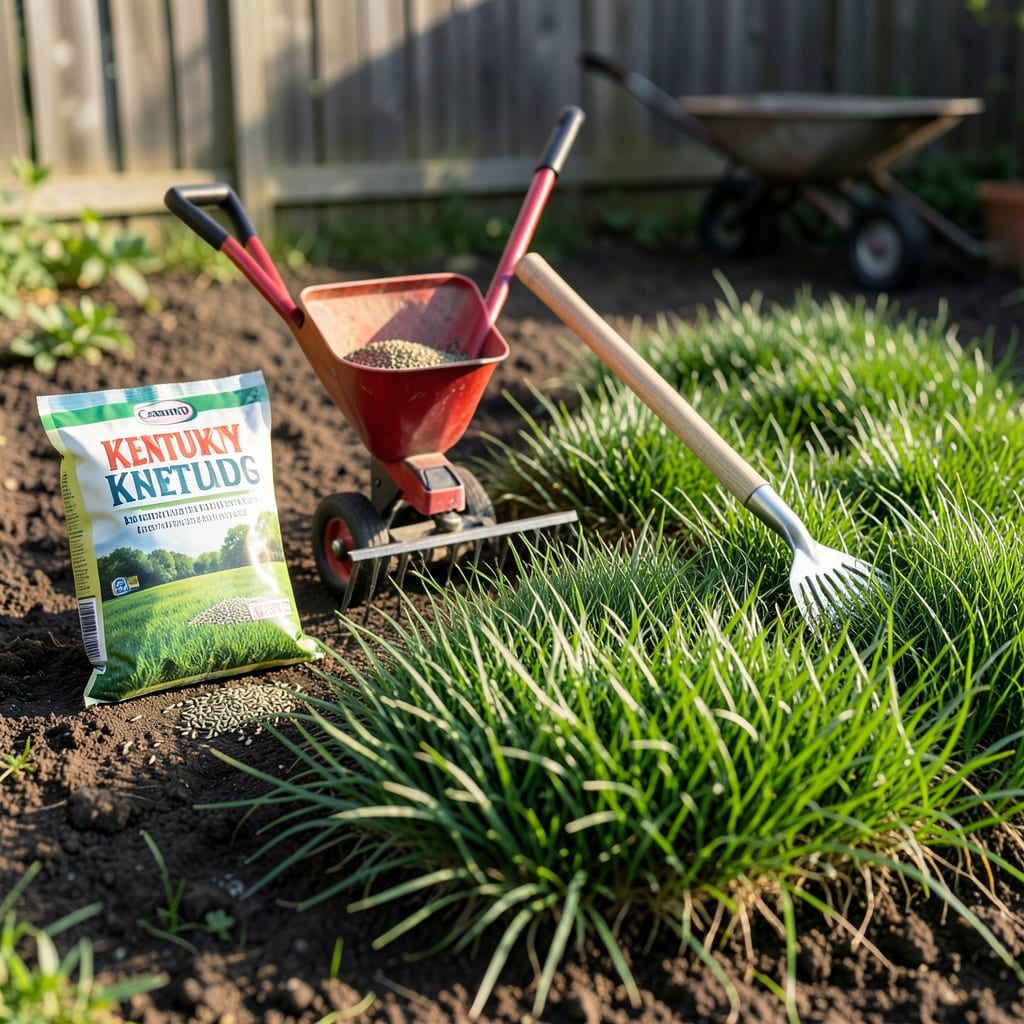
Timing your ✂️ Grass planting in Iowa can mean the difference between a lush lawn and a patchy disappointment. Plant too early, and spring weeds choke out your seedlings. Wait too long, and frost could wipe out your efforts before roots even establish.
After testing different approaches in Zone 5a-5b, I’ve found the sweet spot—and it’s not when most people think. Let me show you exactly when to plant for thick, resilient turf that thrives through Iowa’s harsh winters and humid summers.
If you’re dreaming of a lush, green lawn in Iowa, timing your grass seed planting is absolutely critical. Our state’s USDA Zones 4b–5b bring unique challenges—freezing winters, unpredictable spring rains, and summer droughts that can make or break your seeding success. The secret? Working with Iowa’s climate, not against it.
For most Iowa homeowners, cool-season grasses like Kentucky bluegrass, tall fescue, and perennial ryegrass are the top choices. These varieties thrive in our climate when planted at the right time. But here’s the kicker: fall planting (August 15–September 30) consistently outperforms spring seeding by up to 30% in establishment success rates, according to Iowa State University research.
| Grass Type | Best Planting Window | Soil Temp Range | Days to Germinate | Iowa Success Rate |
|---|---|---|---|---|
| Kentucky Bluegrass | Aug 15–Sep 30 | 50–65°F | 14–30 days | 90%+ (fall) |
| Tall Fescue | Aug 1–Sep 15 | 55–70°F | 7–14 days | 85%+ (fall) |
| Perennial Ryegrass | Aug 10–Oct 1 | 50–65°F | 5–10 days | 80%+ (fall) |
| Zoysia (Warm-Season) | May 15–Jun 15 | 70–85°F | 14–21 days | 70% (summer) |
Source: Iowa State University Extension. Success rates based on proper soil prep and watering.
Why does fall planting reign supreme in Iowa? It’s all about the soil temperatures and moisture levels. When you plant in late August through September, the soil stays warm enough (ideally 50–65°F) for rapid germination, but the air is cool enough to reduce weed competition and evaporation stress. Plus, the 6–8 weeks before first frost (typically October 1–15) gives roots time to establish without the pressure of summer heat.
If you miss the fall window, early spring (April 1–May 15) is your backup. However, spring-planted lawns face more weed pressure from crabgrass and drought stress as summer arrives. I always recommend spring plantings only for small repairs or if you’re prepared for extra watering and weed control. For warm-season grasses like zoysia, late May through mid-June is your only viable window—these grasses won’t survive Iowa winters if planted in fall.
Here’s a pro tip: Monitor your soil temperature before planting. Grab a soil thermometer (or check local Extension reports) and aim for consistent 50°F+ readings at 2-inch depth. If you’re planting Kentucky bluegrass, wait until soil hits 55°F for best results. And don’t forget—Iowa’s clay-heavy soils need extra prep! I recommend aerating and mixing in 1–2 inches of compost to improve drainage and seed contact.
For Des Moines, Cedar Rapids, and Davenport residents, adjust your timing slightly based on microclimates. Urban areas with heat islands (like downtown Des Moines) may allow for a 7–10 day earlier start in spring or later finish in fall. Rural areas, especially in northern Iowa (Zone 4b), should stick to the earlier side of windows—frost comes sooner, and soils warm slower in spring.
Still unsure? Here’s my Iowa lawn calendar cheat sheet: August 1–15: Prep soil (test pH, aerate, add compost). August 15–September 15: Plant cool-season grasses. September 15–30: Final chance for fall planting (use fast-germinating ryegrass if late). October 1–15: Apply winterizer fertilizer to strengthen roots. May 15–June 15: Only window for warm-season grasses like zoysia.
Remember, watering is make-or-break for new grass. After planting, keep the top 1–2 inches of soil consistently moist (not soggy) for 2–3 weeks. I use a light sprinkler set to run 5–10 minutes daily in the early morning. Once seedlings hit 2 inches tall, gradually reduce frequency but water deeper (1 inch per week) to encourage root growth.
Finally, don’t overlook starter fertilizer. Apply a slow-release 16-4-8 or 20-5-10 blend right after seeding to give your grass the nitrogen boost it needs. Avoid weed-and-feed products—they can harm delicate new seedlings. Instead, plan to apply a pre-emergent herbicide next spring (but only after your new grass has been mowed 3–4 times).
Even with perfect timing, your Iowa lawn project can go sideways fast if you overlook these common pitfalls. I’ve seen too many homeowners waste time and money on seeding mistakes that are easily avoidable. Let’s dive into the top 5 errors that sabotage Iowa lawns—and how to fix them before they start.
First up: planting too late in spring. Many Iowans assume warmer weather means better growth, but spring-planted grass faces aggressive weed competition (especially crabgrass) and summer drought stress. If you must plant in spring, aim for April 1–15 and be ready to water daily once temps climb.
Iowa’s clay soil is notorious for poor drainage and compaction. Always aerate and mix in 1–2″ of compost before seeding. Test soil pH—6.0–7.0 is ideal for most grasses.
Match grass to conditions: Tall fescue for high-traffic areas, fine fescue for shade, Kentucky bluegrass for sun. Avoid cheap “contractor blends”—they often contain weedy annual grasses.
New seedlings need consistent moisture—5–10 minutes daily (morning only) for 2–3 weeks. After germination, deep water 1″ weekly. Use a rain gauge to track natural precipitation.
New grass needs phosphorus for root development. Apply a 16-4-8 starter fertilizer at planting, then a high-nitrogen feed 6 weeks later. Avoid weed-and-feed—it can kill young seedlings.
Fall plantings need 6–8 weeks before first frost (October 1–15 for most of Iowa). Plant Kentucky bluegrass by September 1; ryegrass can go until September 30.
The soil prep mistake is especially costly in Iowa. Our clay-heavy soils can form a crust that prevents seed germination. I recommend core aerating before seeding to improve seed-to-soil contact. For extra insurance, top-dress with 1/4″ of compost after seeding to protect seeds and retain moisture.
Another silent lawn killer? Choosing the wrong grass blend. I’ve seen homeowners plant warm-season zoysia in fall (it dies over winter) or use shade mixes in full sun (they burn out). Always match your seed to your site’s sun exposure and traffic levels. For Iowa’s climate, I recommend these mixes:
For sunny yards: 70% Kentucky bluegrass, 20% perennial ryegrass, 10% fine fescue. For shady areas: 50% fine fescue, 30% tall fescue, 20% shade-tolerant bluegrass. And for high-traffic zones (like play areas), go with 60% perennial ryegrass and 40% tall fescue.
Watering mistakes are another major issue. I see two extremes: drowning seeds (which causes rot) or letting soil dry out (which kills seedlings). The sweet spot is keeping the top 1–2 inches moist but not soggy. Use a soil moisture meter ($10 at garden centers) to take the guesswork out. And always water in the early morning to reduce disease risk.
Finally, don’t forget about post-planting care. Once your grass reaches 3–4 inches tall, it’s time for the first mow. Set your mower to 3 inches—never remove more than 1/3 of the blade at once. And hold off on herbicides until you’ve mowed 3–4 times; young grass is too tender for weed killers.
Here’s my quick-fix
Choosing the right grass seed blend for Iowa’s Zone 5 climate can make or break your lawn. Our state’s hot summers, cold winters, and clay-heavy soils demand varieties that can handle the extremes. After testing dozens of mixes, I’ve narrowed it down to three Iowa-proven blends that deliver results.
Not all grass seed is created equal—especially in Iowa. The wrong blend can lead to patchy growth, poor drought tolerance, or winter die-off. Whether you’re overseeding an existing lawn or starting from scratch, these Zone 5 optimized mixes will give you the best chance at a thick, resilient turf.
| Blend Name | Best For | Grass Types | Drought Tolerance | Shade Tolerance | Traffic Resistance |
|---|---|---|---|---|---|
| Sun & Shade Master | Mixed sunlight yards | 60% Tall Fescue, 30% Kentucky Bluegrass, 10% Fine Fescue | ✅ High | ✅ Moderate | ✅ Excellent |
| Heavy Traffic Pro | Play areas, pet yards | 70% Perennial Ryegrass, 20% Tall Fescue, 10% Kentucky Bluegrass | ✅ Moderate | ❌ Low | ⭐ Best |
| Low-Maintenance Green | Rural properties, busy homeowners | 80% Turf-Type Tall Fescue, 20% Fine Fescue | ⭐ Best | ✅ Good | ✅ Moderate |
Note: All blends are 100% cool-season grasses optimized for Iowa’s climate. Warm-season grasses like zoysia require special care in Zone 5.
For most Iowa homeowners, the Sun & Shade Master blend offers the best balance. The tall fescue base provides drought resistance during our hot summers, while the Kentucky bluegrass fills in for a lush, dense turf. I’ve seen this mix thrive in everything from Des Moines suburbs to Cedar Rapids clay soils.
If you’ve got kids, pets, or heavy foot traffic, the Heavy Traffic Pro blend is your best bet. The perennial ryegrass germinates quickly (often in 5–7 days) and can handle weekly mowing without stress. Just remember—this mix needs full sun to perform its best. For shady areas, stick with the Sun & Shade blend or add extra fine fescue.
For those who want to mow less and water less, the Low-Maintenance Green blend is a game-changer. The turf-type tall fescue grows deep roots (up to 2–3 feet), making it our most drought-tolerant option. It stays green with 25% less water than bluegrass and resists common Iowa pests like grubs and chinch bugs.
Here’s my pro tip for seeding: Always match your blend to your lifestyle. If you love a golf-course look, go with a bluegrass-heavy mix and commit to regular watering. For weekend warriors, the low-maintenance blend will save you hours of work each summer. And don’t forget—fall is still the best time to plant any of these blends in Iowa!
Planting too early exposes seedlings to late frosts and crabgrass competition. Wait until soil temps hit 50°F+ (typically mid-April in Iowa). Early seedlings struggle with temperature swings.
October is risky—seed needs 6–8 weeks before first frost (October 1–15). Stick to fast-germinating ryegrass if planting after September 15. Later plantings often fail to establish.
Keep soil consistently moist (not soggy) with 5–10 minutes daily in early morning. After germination, shift to 1 inch weekly. Use a rain gauge to avoid overwatering.
Tall fescue thrives in clay with its deep roots and drought tolerance. Mix with 10% bluegrass for density. Always aerate and add compost before seeding.
Apply a 16-4-8 starter fertilizer at planting for phosphorus-rich root growth. Avoid weed-and-feed—it harms delicate seedlings. Feed again 6 weeks later with nitrogen.
