
Beautiful Plants For Your Interior
Beautiful Plants For Your Interior
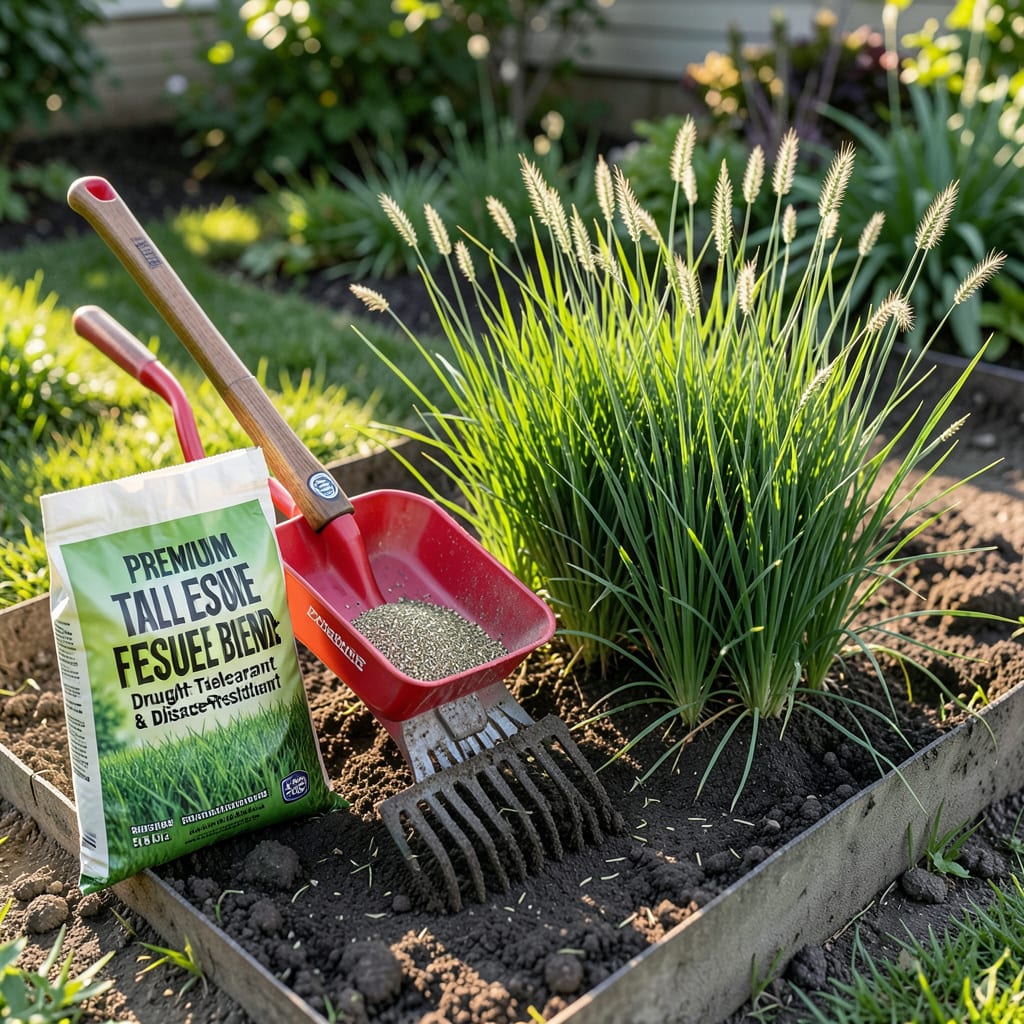
Timing isn’t just important—it’s everything when planting grass seed in Georgia. Plant too early, and frost might ruin your efforts. Wait too long, and summer heat could bake your seeds before they even sprout. The difference between a patchy lawn and a lush carpet of green often comes down to just a few weeks.
I’ve seen homeowners waste hundreds on seed and fertilizer simply because they followed generic advice. But Georgia’s climate isn’t one-size-fits-all—what works in Atlanta’s Piedmont won’t cut it in Savannah’s coastal humidity. Let’s break down the exact windows for your region, so you get it right the first time.
Georgia’s diverse climate means the best planting time for grass seed varies dramatically between the Piedmont region (like Atlanta) and the coastal areas (Savannah, Brunswick). The key? Matching your timing to soil temperature and frost dates.
In the Piedmont, you’re dealing with cooler winters and transitional seasons, while coastal Georgia stays warmer longer. For cool-season grasses like fescue, aim for early fall (September–October). Warm-season varieties like Bermuda thrive when planted in late spring (May–June).
| Region | Grass Type | Best Months | Soil Temp (°F) | Frost Considerations |
|---|---|---|---|---|
| Piedmont | Cool-Season (Fescue, Ryegrass) | Sept–Oct | 50–65°F | Plant 6–8 weeks before first frost (Nov 15) |
| Piedmont | Warm-Season (Bermuda, Zoysia) | May–June | 70–90°F | After last frost (April 15) |
| Coastal | Cool-Season (Fescue, Ryegrass) | Oct–Nov | 55–70°F | Later planting due to extended warmth |
| Coastal | Warm-Season (Centipede, St. Augustine) | April–May | 75–95°F | Earlier planting; watch for drought |
For cool-season grasses, soil temps between 50–65°F are ideal. I always check with a soil thermometer—don’t guess! In the Piedmont, September 15–October 15 is prime time. Coastal gardeners can push this to October–November thanks to milder winters.
Warm-season grasses need soil temps above 70°F. In Atlanta, that’s typically mid-May. But in Savannah, you can start as early as April 15 if the soil is warm enough. Pro tip: Use the University of Georgia Extension’s frost maps to pinpoint your exact window.
Spring planting is riskier—weed competition and unpredictable rains can sabotage your lawn. If you must plant in spring, choose fast-germinating varieties like perennial ryegrass and water daily for the first 3 weeks. Avoid late-spring planting; the heat will stress young grass.
Fall is my favorite season for seeding in Georgia. The cooler air and warm soil create perfect conditions. Just ensure you plant at least 45 days before your area’s first frost. For Piedmont folks, that’s around November 1; coastal gardeners get until November 15.
Don’t forget soil prep! Test your pH (aim for 6.0–7.0) and aerate compacted areas. I like to add a ¼-inch layer of compost before seeding—it boosts moisture retention, which is critical during Georgia’s dry spells. Mulch lightly with straw to protect seeds from birds and erosion.
Watering is non-negotiable. Keep the top 1–2 inches of soil moist until germination (usually 7–21 days). In hotter coastal areas, you might need to water twice daily for short bursts. Once established, taper to 1 inch per week, including rainfall.
If you’re overseeding a thin lawn, early fall is ideal. Mow your existing grass low (1.5 inches) and rake to expose soil. For new lawns, consider slit-seeding for better seed-to-soil contact. And always choose disease-resistant varieties—Georgia’s humidity loves fungus! 🌱
Choosing the right grass seed for Georgia’s climate is just as important as timing. The Piedmont region favors hardy varieties like Tall Fescue, while coastal areas thrive with heat-tolerant options like Centipedegrass. Each type has specific needs for sun, water, and maintenance.
For cool-season grasses, Tall Fescue is my top pick—it handles Georgia’s winters well and stays green year-round in the Piedmont. Warm-season grasses like Bermudagrass dominate in summer but go dormant in winter. Match your choice to your region’s strengths.
| Grass Type | Best For | Planting Window | Sun Needs | Water Needs |
|---|---|---|---|---|
| Tall Fescue | Piedmont, shade tolerance | Sept–Oct | Partial sun (4–6 hrs) | Moderate (1″ weekly) |
| Bermudagrass | Full sun, high traffic | May–June | Full sun (6–8 hrs) | High (1.5″ weekly) |
| Zoysiagrass | Coastal, drought-prone | April–May | Full sun (6+ hrs) | Low (0.5″ weekly) |
| Centipedegrass | Coastal, low-maintenance | April–June | Partial sun (4–6 hrs) | Low (0.5″ weekly) |
Tall Fescue is the most versatile for Georgia’s Piedmont. It stays green in winter and handles shady spots better than warm-season grasses. Plant in early fall (Sept–Oct) for best results. I recommend ‘Titan’ or ‘Kentucky 31’ varieties for disease resistance.
If you’re in coastal Georgia, Centipedegrass is a low-maintenance winner. It thrives in acidic soils (pH 5.0–6.0) and needs minimal fertilizer. Plant in late spring (April–June) when soil temps hit 70°F. Avoid overwatering—it’s drought-tolerant once established.
Bermudagrass is perfect for high-traffic lawns but demands full sun and frequent mowing. In the Piedmont, plant in late spring (May–June). Coastal gardeners can start earlier (April). Use ‘Celebration’ or ‘TifTuf’ for superior drought resistance.
For shady areas, mix Tall Fescue with Fine Fescue. This combo handles low light and stays lush. Overseed thin spots in early fall with a 70% Tall Fescue/30% Kentucky Bluegrass blend for quick coverage. Always test soil pH first—adjust to 6.0–7.0 for optimal growth.
Zoysiagrass is my go-to for drought-prone areas. It turns brown in winter but bounces back in spring. Plant plugs or sod in late spring for faster establishment. ‘Empire’ and ‘Meyer’ varieties perform best in Georgia’s heat. Water deeply but infrequently to encourage deep roots.
Remember: Mow high (3–4 inches) in summer to protect roots from heat. Use a slow-release fertilizer in spring and fall. And always aerate compacted soil before seeding—Georgia’s clay can suffocate new grass! 🌿
Even with perfect timing, small errors can ruin your Georgia lawn. I’ve seen homeowners make the same costly mistakes year after year—like planting cool-season grass in summer or skipping soil prep. Let’s fix these before they wreck your turf.
The biggest blunder? Ignoring Georgia’s microclimates. What works in Atlanta’s Piedmont often fails in Savannah’s humidity. Another classic error: underwatering new seed. Those tiny sprouts need consistent moisture to survive Georgia’s dry spells.
Avoid the “set it and forget it” trap. New grass needs weekly checks for pests, drought stress, or fungus—especially in Georgia’s humid summers. I once lost a lawn to brown patch fungus because I didn’t monitor watering.
Another critical error: planting too deep. Grass seed needs light to germinate—bury it more than ¼ inch, and it won’t sprout. Use a lawn roller after seeding to ensure good soil contact without smothering the seeds.
Don’t overlook post-planting care. After germination, gradually reduce watering but mow high (3–4 inches) to shade out weeds. Apply a starter fertilizer (like 10-10-10) at planting, then switch to slow-release nitrogen in 6 weeks.
Finally, patience is key. Georgia lawns take 4–6 weeks to establish. Avoid heavy foot traffic until roots are deep. If bare spots appear, re-seed immediately—don’t wait for next season! 🌱
Coastal areas stay warmer longer, so you can plant 1–2 weeks later in fall. Piedmont’s cooler climate means sticking to September–October for cool-season grasses. Coastal gardeners get until November for fescue.
You can, but it’s riskier due to weed competition and unpredictable rains. If you must, choose fast-germinating varieties like ryegrass and water daily for the first 3 weeks. Fall remains the safest bet.
Use a soil thermometer—cool-season grasses need 50–65°F, while warm-season types require 70°F+. Check at 2-inch depth in the morning for accuracy. No guesswork!
Skipping soil prep. Georgia’s clay needs pH testing (6.0–7.0) and compost. Also, burying seeds too deep—they need light to germinate. Keep them ⅛–¼ inch deep max.
