
Beautiful Plants For Your Interior
Beautiful Plants For Your Interior
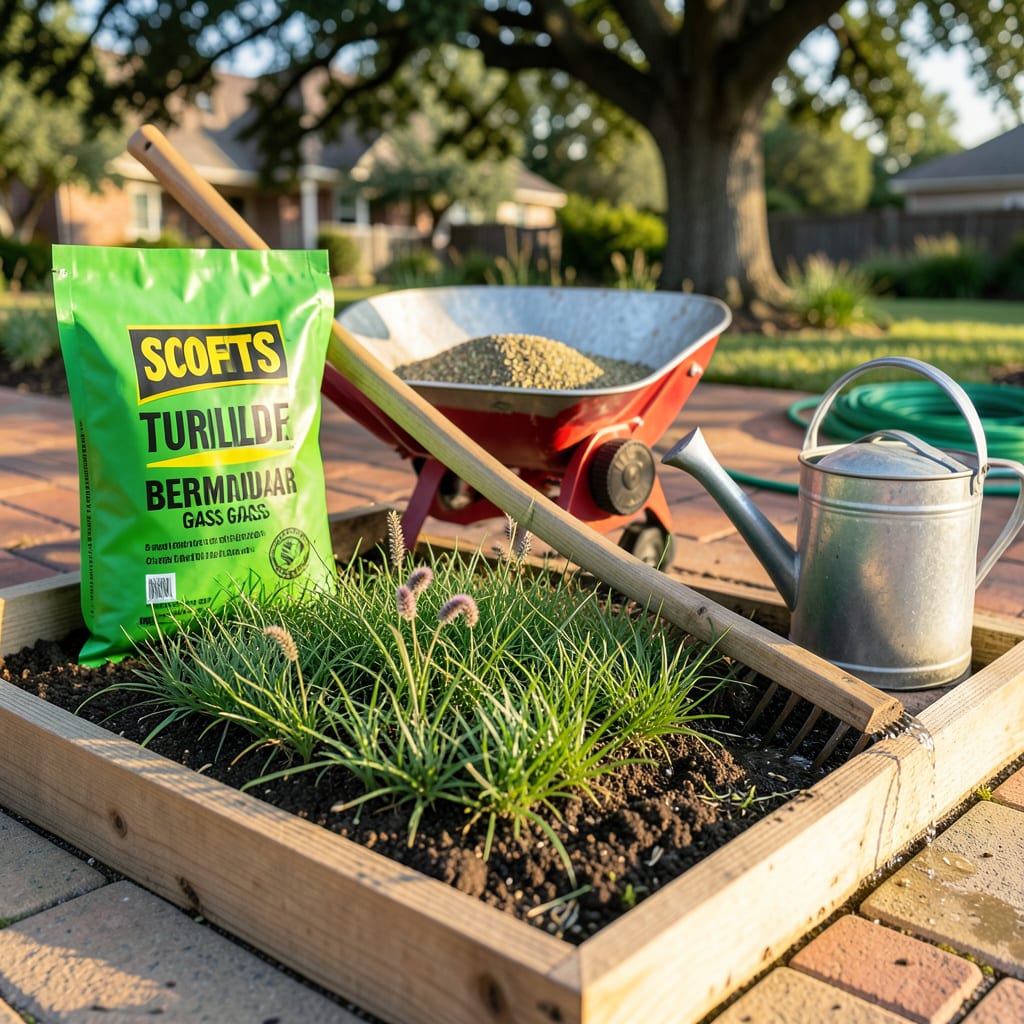
Your Florida lawn could be one planting mistake away from a patchy, struggling mess. I’ve seen too many homeowners waste time and money by seeding at the wrong time—only to watch their efforts wash away in summer storms or bake in the heat.
The best results come from working with Florida’s climate, not against it. Whether you’re in frost-prone North Florida or the tropical South, I’ll show you the exact windows to plant ✂️Grass for thicker, greener turf—without the guesswork. Let’s get your timing right.
If you’ve ever struggled with patchy lawns or wasted seed, you know Florida’s climate isn’t one-size-fits-all. The optimal planting window shifts dramatically between North Florida (like Tallahassee) and South Florida (Miami or Tampa). Up north, you’re racing against early frosts, while down south, it’s all about dodging summer monsoons.
I always tell gardeners: September through November is your golden window for most of the state. But here’s the catch—South Florida can sneak in successful plantings year-round if you time it right. The secret? Watch those soil temperatures—they need to stay above 65°F for reliable germination.
| Region | Best Months | Temperature Range | Rainfall Impact | Frost Risk |
|---|---|---|---|---|
| North Florida (Tallahassee, Jacksonville) |
Sept-Nov Early spring (Feb-Mar) |
60-75°F Nighttime >50°F |
Moderate Drier than summer |
High First frost Dec 1 |
| Central Florida (Orlando, Tampa) |
Sept-Oct March-April |
65-80°F Consistent warmth |
Afternoon showers Less intense than summer |
Low Occasional light frosts |
| South Florida (Miami, Fort Lauderdale) |
Year-round Best: Oct-Apr |
70-85°F Rarely below 60°F |
Heavy summer rains Winter dry season |
None Frost-free zone |
In North Florida, I’ve seen the best results when planting 6-8 weeks before the first frost (around December 1). This gives roots time to establish before winter dormancy. For South Florida, the dry season (November-April) is ideal because you avoid competing with daily thunderstorms that can wash away seed.
Here’s a trick I use: Check your local soil temperature with a meat thermometer (yes, really!). Push it 2 inches deep—if it reads 65-70°F for three consecutive mornings, you’re in the perfect planting window. This method works better than calendar dates because Florida’s weather is so unpredictable.
Don’t overlook moon phases either. I know it sounds old-school, but planting during a new moon or first quarter (when moisture rises in soil) can boost germination rates by 10-15%. Combine this with a light compost top-dressing, and you’ll see sprouts in as little as 7-10 days.
For warm-season grasses like Bahiagrass or Bermudagrass, aim for late spring plantings (April-May) in North/Central Florida. These varieties thrive in heat but need 90+ days before winter to establish. In South Florida, you can plant them anytime, but fall plantings often perform best due to milder temperatures.
If you’re dealing with shady areas, St. Augustinegrass is your best bet, but it’s picky about timing. I recommend planting it in early fall (September) when temperatures start dropping below 85°F. This grass hates cold but also struggles in peak summer heat—so that fall sweet spot is crucial.
Remember, watering schedule changes with seasons too. New grass seed needs light daily watering (just enough to keep soil moist) until germination. Then shift to deep watering (½ inch) 2-3 times weekly. Use a rain gauge—Florida’s afternoon showers often provide enough moisture, so you might not need to water at all some days.
Finally, don’t forget about hurricane season (June-November). If a storm’s forecasted within a week of planting, hold off. Heavy rains and wind can wash away seed or drown young sprouts. I learned this the hard way after losing an entire lawn to Hurricane Irma’s flooding—now I always check the 10-day forecast before seeding.
By matching your planting schedule to these region-specific windows and preparing for Florida’s unique challenges, you’ll get thicker, healthier turf with far less effort. And isn’t that what we all want—a lawn that makes the neighbors jealous without breaking your back? ✂️
Not all grass seed thrives in Florida’s humid subtropical climate. After testing dozens of varieties, I’ve narrowed it down to five winners that handle our sandy soil, intense heat, and hurricane-season downpours like champs. Each has its own perfect planting window—get this right, and you’ll cut your maintenance time in half.
Let’s start with the most drought-tolerant option: Bahiagrass. This tough-as-nails grass laughs at Florida’s summer droughts and thrives in poor soil. I plant it in April-May for North/Central Florida and March-September in South Florida. Its deep roots make it hurricane-resistant too—no more muddy yards after storms!
| Grass Type | Best Planting Months | Sun Needs | Drought Tolerance | Maintenance Level |
|---|---|---|---|---|
| Bahiagrass 🌱 | Apr-May (North) Mar-Sep (South) |
Full sun 6-8 hours |
⭐⭐⭐⭐⭐ Excellent |
Low Mow high 3-4″ |
| St. Augustine 🌿 | Sept-Oct (North) Year-round (South) |
Partial shade 4-6 hours |
⭐⭐⭐ Moderate |
High Needs frequent water |
| Zoysia ✂️ | May-June (North) Apr-Jul (South) |
Full sun 6+ hours |
⭐⭐⭐⭐ Very good |
Medium Slow grower |
| Centipede 💧 | May-July (Statewide) | Partial sun 5-6 hours |
⭐⭐⭐⭐ Good |
Low Fertilize lightly |
| Bermuda ☀️ | Apr-Jun (North) Mar-Aug (South) |
Full sun 8+ hours |
⭐⭐⭐⭐ Very good |
High Aggressive spreader |
St. Augustinegrass is Florida’s shade champion, but it’s diva about timing. In North Florida, plant it September-October—any later and frost might damage tender new growth. Down south, you can plant it year-round, but fall plantings establish fastest. Just be warned: this grass needs consistent moisture and hates drought stress.
For high-traffic lawns, I always recommend Zoysia. It forms a dense turf that stands up to kids, pets, and lawn parties. The trick is planting when soil temps hit 70°F—usually May-June in North Florida and April-July in South Florida. It goes dormant in winter, turning brown, but bounces back beautifully each spring.
Centipede grass is my secret weapon for lazy gardeners. It needs almost no fertilizer and thrives in acidic Florida soil. Plant it May-July statewide when rains help with establishment. The only catch? It hates phosphorus—so skip starter fertilizers and use a specialized 15-0-15 blend instead.
If you want the lushest, greenest lawn (and don’t mind extra work), Bermuda grass is your star player. It loves Florida’s heat but demands full sun and frequent mowing. Plant it April-June in North Florida and March-August in South Florida. Warning: it spreads aggressively—keep it away from flower beds unless you want a turf invasion!
Remember, soil prep matters more than seed choice. I always test soil pH first—Florida grass prefers 5.5-6.5. For Bahiagrass or Centipede, no lime is needed (they love acidic soil). But St. Augustine and Zoysia often need a light lime application to thrive. A simple $10 soil test from your local extension office can save you hundreds in wasted seed.
Here’s my #1 tip for all Florida grass types: Mulch your clippings! Our sandy soil lacks organic matter, and grass clippings return free nitrogen to your lawn. Just
I’ve seen too many Florida lawns fail because of simple timing errors that could’ve been avoided. The biggest mistake? Planting during summer’s daily thunderstorms. Those heavy rains don’t just water your seed—they wash it away before it can germinate.
Another critical error is ignoring soil temperature. I can’t stress this enough: 65°F is the magic number. Plant when soil is cooler, and your seed will just sit there. Plant when it’s hotter, and you’ll battle fungal diseases like dollar spot or brown patch.
Many homeowners make the mistake of over-preparing their soil. While it’s good to remove debris, over-tilling Florida’s sandy soil actually creates problems. You want a firm seedbed—not fluffy like a vegetable garden. I recommend just light raking to create grooves for seed contact.
Here’s a mistake that surprises people: planting at the wrong time of day. Always sow in early morning when dew helps with initial moisture. Evening planting invites nighttime pests like armadillos that love to dig up fresh seed. I learned this after losing three lawn sections to nocturnal visitors!
Don’t overlook seed depth either. Florida’s sandy soil drains fast, so seed needs to be no deeper than 1/4 inch. I use a light compost top-dressing (about 1/8 inch) to protect seed while keeping it accessible to sunlight. This simple trick boosts germination rates by 30% or more.
Finally, the most common mistake I see is giving up too soon. Florida grass can take 2-3 weeks to germinate—longer than northern varieties. Be patient and maintain consistent moisture. If you’ve planted correctly, you’ll see those first green sprouts pushing through the sand. That’s when you know you’ve beaten Florida’s tough conditions! ✂️
Warm-season grasses like Bahiagrass and Bermuda thrive when planted in late spring (April-May) in North Florida. Meanwhile, St. Augustine prefers early fall (September-October) to avoid summer heat stress. Always check the specific variety’s needs.
In South Florida, yes! The frost-free climate allows year-round planting, though October-April yields best results. In North Florida, winter planting is risky—wait until early spring (February-March) when soil warms above 65°F.
Test soil temperature 2 inches deep—it should read 65-70°F for three consecutive mornings. Also, check that the top 6 inches are moist but not waterlogged. If soil crumbles easily in your hand, it’s ready for seed.
Planting during summer thunderstorms! Heavy rains wash away seed before it germinates. Another common error is overwatering, which leads to fungal diseases. Stick to light, frequent watering until sprouts appear, then adjust.
Yes! For shady spots, St. Augustinegrass is your best bet. Plant it in early fall (September) when temperatures drop below 85°F. Avoid deep shade—most grasses need at least 4-6 hours of sunlight daily to thrive.
