
Beautiful Plants For Your Interior
Beautiful Plants For Your Interior
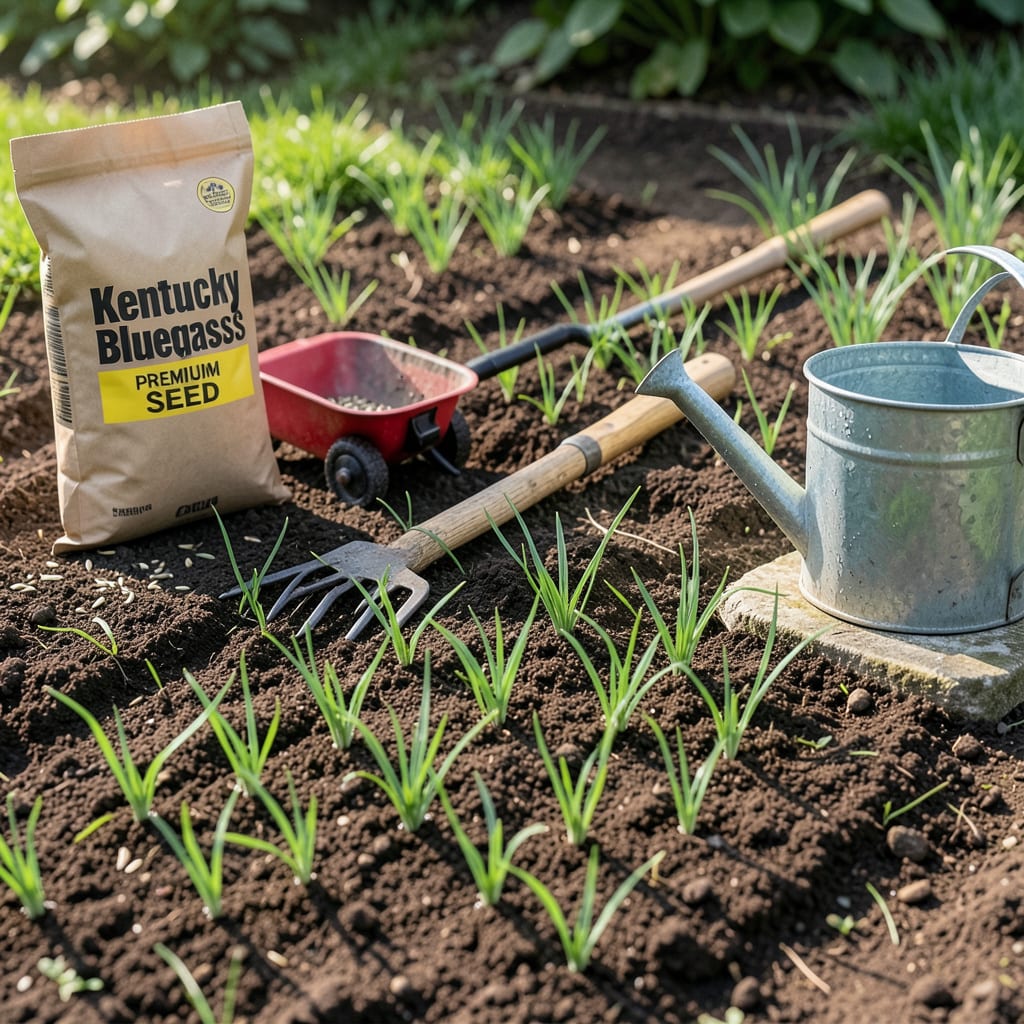
Timing your ✂️ Grass planting in Colorado can mean the difference between a lush lawn and a patchy disappointment. Our state’s wild temperature swings and elevation changes make this one of the trickiest gardening tasks—get it wrong, and you’re fighting frost or drought before your seeds even sprout.
After years of testing and talking to local experts, I’ve nailed down the perfect window for each region—from Denver’s Front Range to the High Country. Let me save you the trial and error so you can plant with confidence this season.
If you’ve ever wondered why your neighbor’s lawn looks like a golf course while yours resembles a patchy desert, timing is likely the culprit. Colorado’s elevation zones create microclimates that drastically affect when you should plant grass seed. I’ve seen too many homeowners waste money by planting in summer’s scorching heat or just before an unexpected frost.
The secret? Fall planting wins almost every time in Colorado. But the exact window depends on whether you’re in Denver’s plains, Boulder’s foothills, or Aspen’s high country. Soil temperatures need to be consistently above 50°F for germination, and seedlings need 6-8 weeks to establish roots before winter hits. Let’s break down the perfect timing for your specific area.
| Elevation Zone | Best Planting Window | Last Frost Date | First Frost Date | Recommended Grasses |
|---|---|---|---|---|
| Plains (Denver, CO Springs) 4,500-6,000 ft |
Aug 15 – Sep 15 | May 10-15 | Oct 10-15 | Kentucky Bluegrass, Tall Fescue |
| Foothills (Boulder, Fort Collins) 6,000-7,500 ft |
Aug 1 – Sep 1 | May 15-25 | Sep 20-30 | Fine Fescue, Turf-Type Tall Fescue |
| High Country (Aspen, Vail) 7,500-9,000+ ft |
Jul 15 – Aug 15 | June 1-15 | Sep 1-15 | Buffalo Grass, Blue Grama |
Pro Tip: Use a soil thermometer to check temps at 2″ depth. Plant when readings hit 50-65°F for 5+ consecutive days.
For those in the plains region (Denver, Colorado Springs), late August through mid-September is your golden window. The soil is still warm from summer, but cooler air temperatures reduce evaporation. I always tell clients to aim for Labor Day weekend—it’s an easy reminder! Just be sure to finish planting at least 45 days before your area’s first frost.
If you’re in the foothills (Boulder, Fort Collins), you’ll need to plant 2-3 weeks earlier than the plains. Those cold mountain nights arrive sooner, and your growing season is shorter. I’ve had great success with tall fescue here because it handles temperature swings better than other varieties. Always check your local frost dates—they can vary by microclimate!
High country residents (Aspen, Vail, Breckenridge), your window is tightest of all. You must plant by mid-August to give roots time to establish before snow flies. Native grasses like buffalo grass and blue grama are your best bets—they’re drought-tolerant and thrive in poor mountain soils. I’ve seen these grasses survive with half the water of traditional lawns!
What about spring planting? While possible, it’s riskier in Colorado. You’re battling late frosts, drought conditions, and weed competition. If you must plant in spring, wait until soil temps reach 50°F (usually late April in Denver) and be prepared for extra watering. I only recommend spring planting if you missed your fall window or are repairing small damaged areas.
No matter when you plant, soil preparation is key. Colorado’s clay-heavy soils need amending with compost (2-3 inches worked into the top 6 inches). Conduct a soil test—our soils often lack nitrogen and organic matter. I use a core aerator before planting to improve seed-to-soil contact, which dramatically boosts germination rates.
Remember, watering is critical for the first 3 weeks after planting. Keep the top 1 inch of soil consistently moist—this might mean light watering twice daily in hot weather. Once established, most Colorado grasses need 1-1.5 inches per week, including rainfall. Use a rain gauge to track moisture—our dry air can be deceiving!
Finally, don’t forget about fertilizer timing. Apply a starter fertilizer (high in phosphorus) at planting, then follow up with a slow-release nitrogen fertilizer in early fall. Avoid fertilizing after October 1—you don’t want to encourage tender new growth that winter will kill. I’ve found that organic fertilizers work particularly well in Colorado’s soils, releasing nutrients as the grass needs them.
By matching your planting time to Colorado’s elevation zones and preparing properly, you’ll be rewarded with a lawn that’s the envy of the neighborhood. And remember—if your first attempt isn’t perfect, overseeding in the same window next year can fill in thin spots. Colorado gardening is all about adaptation and patience! 🌱
Planting grass seed in Colorado isn’t just about timing—it’s about avoiding the common pitfalls that turn promising lawns into patchy disappointments. I’ve seen too many homeowners make these mistakes, and trust me, they’re easier to prevent than to fix. Let’s dive into the top 5 errors that could sabotage your lawn before it even starts.
First up is ignoring elevation adjustments. What works in Denver won’t cut it in Aspen. I once helped a client who planted Kentucky bluegrass in Vail in September—way too late for that elevation. The seeds froze before they could germinate. Always check your local frost dates and adjust your planting window accordingly. When in doubt, consult the USDA zone map for your exact location.
The second most common mistake is skipping soil preparation. Colorado’s native soils are often compacted clay that suffocates grass roots. I always recommend core aeration before planting to improve seed-to-soil contact. Add a ½-inch layer of compost and work it into the top 2-3 inches. This simple step can double your germination rate.
Watering errors come in at number three. Many new lawn owners either drown their seeds or let them dry out. The key is consistent moisture—not soggy, not bone dry. I use the “finger test”: stick your finger in the soil. If the top inch feels dry, it’s time to water. In Colorado’s arid climate, this often means short, frequent waterings (5-10 minutes) twice daily until germination.
Choosing the wrong grass type is mistake number four. Not all grasses are created equal for Colorado’s climate. Kentucky bluegrass loves the plains but struggles in high country. Buffalo grass, while drought-tolerant, goes dormant early in mountain areas. I always recommend native grass mixes for high elevations—they’re adapted to our temperature swings and require less water once established.
Finally, ignoring frost dates can ruin all your hard work. I’ve seen heartbroken gardeners who planted too late, only to have their tender seedlings killed by an early frost. Always plant 6-8 weeks before your first expected frost. In Denver, that means finishing by September 15. In the mountains, aim for August 15. When in doubt, check with your local extension office for hyper-local advice.
Remember, even perfect timing won’t save a lawn if you make these mistakes. But avoid them, and you’ll be well on your way to the lush, resilient Colorado lawn you’ve been dreaming of. The key is working with our unique climate, not against it. With proper preparation and care, your grass will thrive despite Colorado’s challenges! 🌱
You’ve planted your grass seed at the perfect time—now the real work begins! Colorado’s unpredictable weather can test even the most experienced gardeners. One day it’s 80°F and sunny, the next you’re scraping frost off your windshield. Let me share my proven strategies for nurturing those tender seedlings through our state’s mood swings.
The first critical week after planting demands your full attention. Keep the top ½ inch of soil consistently moist—this often means light watering twice daily in our dry climate. I use a gentle mist setting on my sprinkler to avoid washing seeds away. Remember, morning watering (6-10 AM) prevents fungal diseases that thrive in evening dampness.
Pro Tip: Set up soil moisture sensors ($20 at garden centers) to take the guesswork out of watering!
After germination (usually 7-21 days), shift to deeper, less frequent watering. Aim for 1 inch per week, including rainfall. I use a rain gauge to track precipitation—Colorado’s dry air makes it feel like we’re getting more rain than we actually are. Once your grass reaches 3 inches tall, it’s time for the first mowing.
When mowing new grass, follow the “one-third rule”: never remove more than ⅓ of the blade height at once. For Colorado lawns, I recommend keeping grass 3-4 inches tall to encourage deep root growth. This extra height helps shade the soil, reducing water loss. Use sharp mower blades—dull blades tear grass, making it vulnerable to disease.
Fertilizing new grass requires careful timing. Apply a light dose of nitrogen (½ the recommended rate) about 4 weeks after germination. I prefer organic fertilizers like compost tea—they feed slowly without burning tender roots. Avoid high-nitrogen fertilizers in late fall; they stimulate top growth when roots should be preparing for winter.
As winter approaches, help your new lawn prepare. Continue watering until the ground freezes—dry roots are more vulnerable to winter kill than well-hydrated ones. Apply a winterizer fertilizer (high in potassium) in early October to strengthen cell walls. And don’t worry if your lawn browns—it’s likely just dormant, not dead! 🌱
Planting before soil temps reach 50°F risks frost damage to tender seedlings. In Colorado, spring frosts can linger until mid-May in Denver and even later in mountain areas. Early planting also means competing with aggressive spring weeds.
Mixing grasses is possible but requires careful selection. Stick to cool-season varieties (like Kentucky bluegrass and tall fescue) that share similar water and sun needs. Avoid blending warm-season grasses with cool-season types—they’ll brown at different times.
Keep soil consistently moist (top 1 inch) with light watering 2-3 times daily for the first 2-3 weeks. Use a mist setting to avoid washing seeds away. After germination, reduce to 1 inch per week including rainfall.
Finish planting 6-8 weeks before your first frost date. In Denver, that’s by mid-September; in Aspen, aim for mid-August. This gives roots time to establish before winter dormancy.
A light straw mulch (¼ inch) helps retain moisture and protect seeds from birds. Avoid thick layers that block sunlight. Remove straw once grass reaches 2 inches tall to prevent smothering new growth.
