
Beautiful Plants For Your Interior
Beautiful Plants For Your Interior
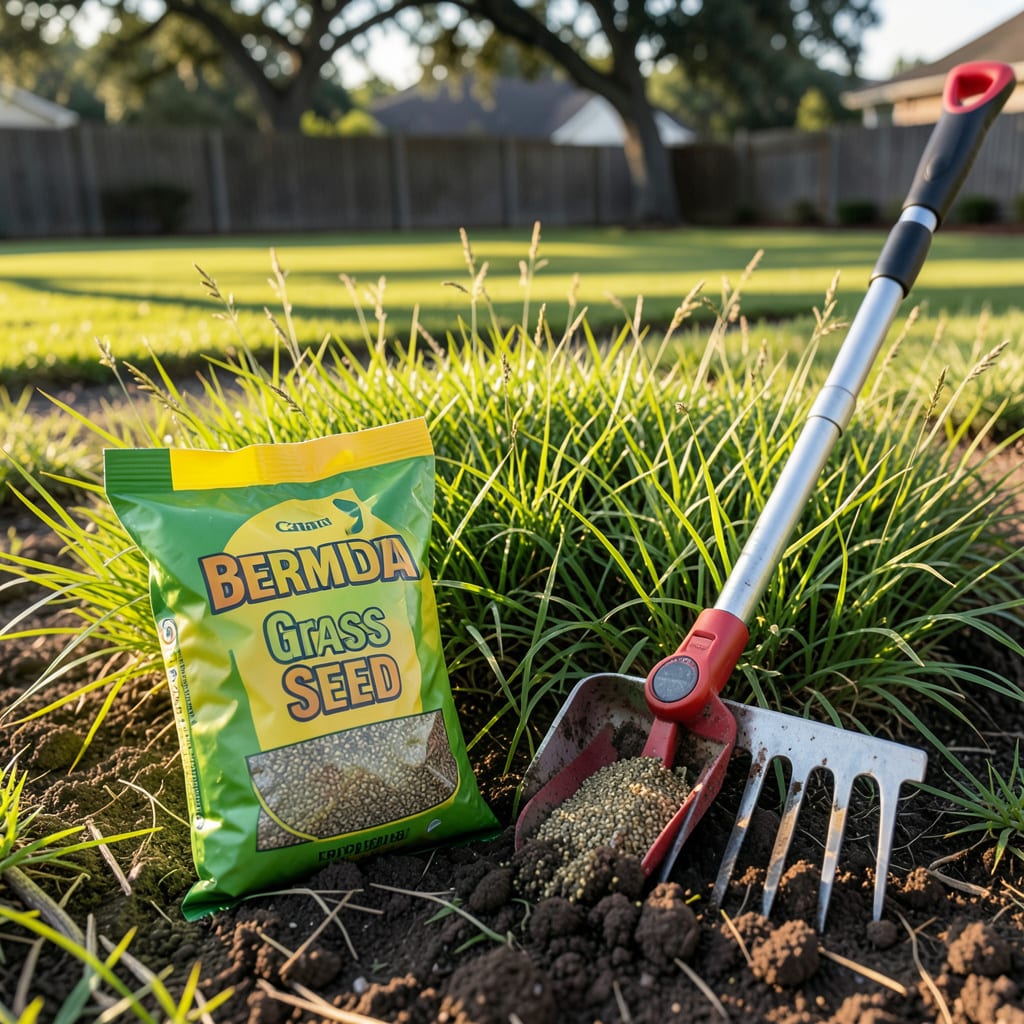
Timing your grass seed planting in California isn’t just about the calendar—it’s about outsmarting the state’s wild climate swings. Plant too early in coastal areas, and chilly fog might stall growth. Wait too long inland, and summer’s scorching heat could fry your efforts before sprouts even appear.
I’ve seen homeowners waste months (and money) by following generic advice that doesn’t account for California’s microclimates. The good news? There’s a perfect window for every region—whether you’re in San Diego’s mild zones or the Central Valley’s extremes. Let’s cut through the confusion and get your 🌱 grass established right, the first time.
If you’ve ever wondered why your neighbor’s lawn looks like a golf course while yours resembles a patchy desert, timing is likely the culprit. In California, our diverse microclimates mean there’s no one-size-fits-all answer for planting grass seed. The coastal fog zones and scorching inland valleys demand completely different approaches.
I’ve seen too many homeowners waste money by planting in summer’s peak heat or right before winter frosts. The secret? Align your planting with your region’s natural rainfall patterns and soil temperature sweet spots. Let’s break down the perfect windows for your specific area.
| Region | Ideal Months | Why It Works | Grass Types to Try |
|---|---|---|---|
| Northern Coastal | Sept-Oct or March-April | Cool temps + winter rains help establishment | Tall Fescue, Fine Fescue |
| Southern Coastal | Oct-Nov or Feb-March | Avoid summer drought stress; mild winters | Perennial Rye, Kentucky Bluegrass |
| Central Valley | Early Sept or March | Beat summer heat; use residual soil warmth | Bermuda, Zoysia |
| Desert Areas | Feb-March ONLY | Coolest window before extreme heat hits | Buffalo Grass, St. Augustine |
| Mountain Zones | May-June | Wait for soil to warm after snowmelt | Fine Fescue, Bentgrass |
*Soil temps should be 55-65°F for optimal germination
Notice how the desert regions have the narrowest window? That’s because extreme heat will fry tender new grass sprouts. I always tell my clients in Palm Springs to mark their calendars for February 15th—that’s when we start prepping the soil for late-February planting.
For those in the Central Valley, you might be tempted to plant in spring, but I’ve found early September gives roots time to establish before winter. The key is getting seeds in 6-8 weeks before your first expected frost. Check your local UC Master Gardener program for hyper-local frost dates.
The coastal areas have more flexibility thanks to mild winters. But here’s my pro tip: if you’re planting in fall, aim for at least 45 days before your first heavy rain. You want seeds to germinate but not get washed away in a storm. I learned this the hard way after a San Francisco downpour ruined my first lawn attempt!
Soil temperature is your secret weapon. Grab a soil thermometer (they’re cheap at garden centers) and wait until you hit 55°F consistently. In most of California, that means morning readings—our nights can be much cooler than days, especially in spring/fall.
If you’re in the mountains, patience is key. I’ve seen eager gardeners plant in April only to have late frosts wipe out their lawns. Wait until nighttime temps stay above 45°F. Your grass will thank you with faster germination and stronger roots.
Remember, these windows are for cool-season grasses. If you’re planting warm-season varieties like Bermuda, shift your timeline 2-3 weeks later in spring. They need soil temps above 65°F to thrive. Always check your seed packet for specific variety requirements.
One final tip: no matter your region, watering consistency in the first 3 weeks is critical. Set up a gentle sprinkler system to keep soil moist but not soggy. I’ll cover exact watering schedules in the next section—it’s the difference between a lush lawn and a muddy mess! 🌿
Even with perfect timing, I’ve watched too many California lawns fail because of avoidable mistakes. The biggest culprit isn’t bad seed—it’s usually something simple like poor soil prep or inconsistent watering. Let me save you the heartache by sharing the five errors I see most often in my landscaping work.
First, never underestimate how California’s intense sun can sabotage new grass. I once had a client in Sacramento who planted in June, only to watch his entire lawn crisp up within days. The soil surface temperature can hit 120°F+ in summer—far too hot for tender seedlings to survive, no matter how much you water.
*Fix these, and you’ll see 30-50% better germination rates!
The soil testing mistake is particularly costly in California. Our native soils often have high clay content or alkaline pH, which can lock out nutrients. I always recommend a $20 home test kit before planting. You might find you need to add sulfur to lower pH or compost to improve drainage.
Watering errors are another lawn killer. New grass seed needs light, frequent watering—think mist settings 2-3 times daily for the first week, then tapering off. I see too many people either drowning seeds (which causes rot) or letting soil dry out (which kills sprouts). The sweet spot is moist but not muddy soil.
Here’s a trick I use: lay down straw mulch (not hay!) after planting to retain moisture and protect seeds from birds. Just use a light layer—about 1/4 inch thick—so sunlight can still reach the soil. Remove it once grass hits 2 inches tall to prevent smothering.
Choosing the wrong grass type is like wearing a winter coat in Death Valley—it just won’t work. In desert areas, I specify Buffalo grass or St. Augustine for their drought tolerance. Coastal clients get fine fescue blends that handle salt spray and cool nights. Always match your seed to your specific microclimate.
Finally, don’t forget post-planting care. Once your grass reaches 3 inches, it’s time for the first mow—but never cut more than 1/3 of the blade height. Use a sharp mower blade to prevent tearing. And hold off on fertilizer until after the third mowing to avoid burning tender new growth. 🌿
Choosing the right grass seed in California isn’t just about looks—it’s about survival. Our state’s drought conditions and temperature extremes demand varieties that can handle both water restrictions and intense sun. After testing dozens of types, I’ve narrowed it down to the top performers for each region.
The drought-tolerant champions like Buffalo grass and Bermuda thrive where others wilt. But don’t assume one size fits all—what works in Palm Springs would fail miserably in San Francisco. Let me break down the best matches for your specific climate zone.
Best for: Coastal & Northern CA
Pros: Handles shade, drought-resistant, stays green year-round
Cons: Needs more water than Buffalo grass, clumps if mowed too short
Water Needs: Moderate (1″ per week)
Best for: Central Valley & Desert
Pros: Heat-loving, recovers quickly, handles heavy foot traffic
Cons: Goes dormant in winter, invasive spreaders
Water Needs: Low (0.5″ per week)
Best for: Desert & Southern Inland
Pros: Native to CA, needs 50% less water, no mowing needed
Cons: Slow to establish, doesn’t like shade
Water Needs: Very Low (0.25″ per week)
Best for: Warm Inland Areas
Pros: Drought-tolerant, chokes out weeds, soft texture
Cons: Slow spring green-up, thatch buildup
Water Needs: Low (0.5″ per week)
Tip: Mix seeds with 10% clover for natural nitrogen boost!
For coastal areas, I always recommend Tall Fescue blends because they handle the cool nights and salt spray so well. The ‘RTF’ (Rhizomatous Tall Fescue) varieties are game-changers—they spread via roots to fill bare spots naturally. Just be sure to aerate annually to prevent thatch buildup.
Desert dwellers should focus on native grasses like Buffalo or Blue Grama. These need 75% less water than traditional lawns and actually thrive in heat. I’ve seen Buffalo grass stay green in 110°F temps with just weekly watering. The trick is planting in early spring and using hydrogel crystals in the soil to retain moisture.
If you’re in the Central Valley, consider hybrid Bermuda like ‘TifTuf’. It handles our hot summers and cool winters better than regular Bermuda. Just remember it goes dormant and brown in winter—that’s normal! Overseed with ryegrass in fall if you want year-round green.
For shady areas under trees, Fine Fescue is your best bet. It needs only 4 hours of sun daily and stays lush with minimal care. I use it in my own backyard under oak trees. The ‘No Mow’ varieties grow just 4-6 inches tall, saving you mowing time while looking intentional and natural. 🌿
Yes! Cool-season grasses (like fescue) thrive when planted in fall or early spring, while warm-season varieties (like Bermuda) need later spring planting when soil hits 65°F+. Always check your seed packet for specifics.
Grab a soil thermometer—you want consistent 55-65°F readings at 2-inch depth. Also, squeeze a handful: it should crumble easily, not stick together or feel bone-dry. Pro tip: test morning temps, as nights cool down significantly in California.
Even with extra water, summer planting is risky in most of California. Soil temps often exceed 85°F, which prevents germination. The exception? High-desert areas can sometimes plant in late summer if monsoon rains arrive. Otherwise, wait for cooler weather.
For quick results, use a grass seed blend with 30% perennial ryegrass—it germinates in 5-7 days. Pair it with hydrogel crystals in the soil to retain moisture, and cover with 1/4-inch straw mulch to protect seeds. Keep soil consistently moist (not soggy) for 21 days.
Wait until your lawn reaches 3-4 inches tall and has been mowed 2-3 times. This usually takes 6-8 weeks from planting. For high-traffic areas, consider laying temporary stepping stones during establishment to avoid compacting soil.
