
Beautiful Plants For Your Interior
Beautiful Plants For Your Interior
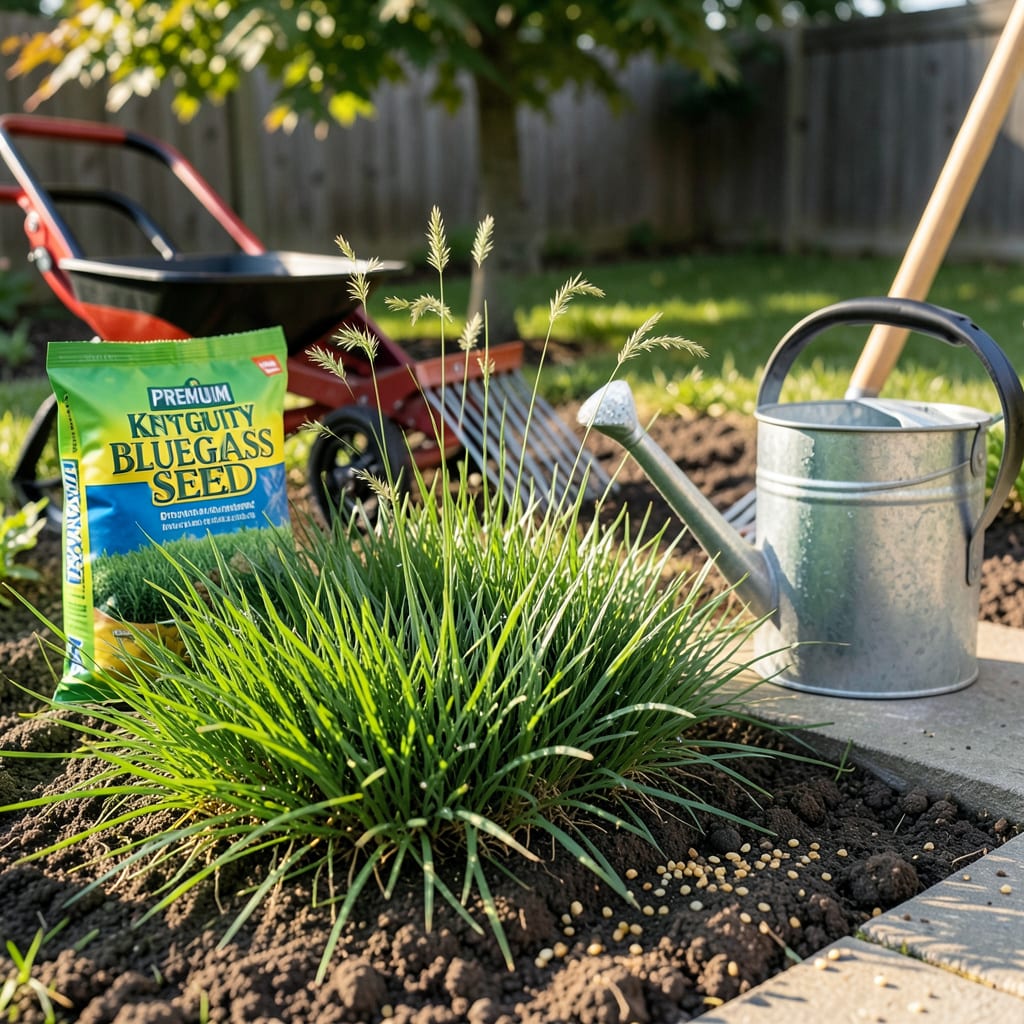
That perfect, lush lawn doesn’t happen by accident—it starts with one critical decision: when to plant your grass seed in spring. Get it wrong, and you’re fighting frost, drought, or patchy growth all season.
After testing different approaches in my own yard (and learning the hard way), I’ve nailed down the exact soil conditions and timing that work. Whether you’re in Zone 6 or tackling cool-season grasses like Kentucky Bluegrass, here’s how to avoid the mistakes most beginners make with ✂️ grass planting.
If you’re wondering when to plant grass seed in spring for a lush lawn, timing hinges on soil temperature, not just the calendar. Cool-season grasses like Kentucky Bluegrass or Tall Fescue thrive when soil hits 50°F–65°F, while warm-season types need 70°F+.
Your USDA zone plays a huge role too. Northern gardeners can start as early as late March, while Southern lawns often wait until April or May to avoid summer heat stress. Let’s break down the ideal windows by region and grass type.
| Grass Type | Ideal Soil Temp | Best Planting Months | USDA Zones |
|---|---|---|---|
| Cool-Season (Kentucky Bluegrass, Fescue) | 50°F–65°F | March–April | 3–6 (Northeast, Midwest) |
| Cool-Season (Ryegrass, Fine Fescue) | 55°F–70°F | Early April–May | 5–7 (Pacific Northwest, Upper South) |
| Warm-Season (Bermuda, Zoysia) | 70°F+ | Late April–June | 7–10 (Southeast, Southwest) |
| Transition Zone (Tall Fescue, Zoysia) | 60°F–75°F | Mid-April–May | 6–8 (Mid-Atlantic, Central) |
Pro Tip: Use a soil thermometer (or check local ag extension reports) to confirm temps before planting.
In the Northeast and Midwest, aim for early April after the last frost—usually when forsythia blooms signal soil readiness. Southern states should wait until late April to avoid summer drought stress on young roots.
For cool-season grasses, planting too late (after May 15) risks weak roots before summer heat. Warm-season grasses planted too early (before 70°F soil) may rot or fail to germinate. Always check your local frost dates!
Not sure if your soil is warm enough? Try the “barefoot test”: Walk on your lawn barefoot in the morning. If the soil feels cool but not cold, it’s likely ready for cool-season seed. For warm-season grasses, wait until it feels warm to the touch.
If you’re in a transition zone (like Virginia or Missouri), consider overseeding with a mix of Tall Fescue and Zoysia for year-round coverage. Plant Fescue in early spring and Zoysia in late spring for best results.
Remember, soil prep matters as much as timing. Test your soil’s pH (ideal: 6.0–7.0) and amend with compost or sulfur/lime if needed. A quick rake-and-level session ensures good seed-to-soil contact for faster germination.
Finally, watch the 10-day forecast before planting. Avoid periods with heavy rain (which can wash away seed) or extreme temperature swings. Light, consistent spring showers are your best friend for new grass!
Still unsure? Grab a $10 soil thermometer from your local garden center—it’s the most reliable way to nail your planting window. Your future lawn will thank you with thick, green growth all season long! 🌱
You’ve picked your grass seed and checked the calendar, but how do you really know your soil is ready? Forget guesswork—I use these 5 foolproof tests to avoid planting in soil that’s too cold, wet, or compacted. Trust me, your lawn’s success starts underground!
First, ditch the calendar dates and focus on soil conditions. Even if it’s mid-April, your soil might still be dormant from winter. I’ve seen gardeners plant too early in muddy soil, only to watch their seed rot. Let’s avoid that with these simple, tool-free checks.
Pro Tip: Perform these tests in 3–4 spots across your lawn—soil varies even in small yards!
One of the biggest mistakes I see? Planting when soil is still frozen at depth. Even if the surface thaws, use a meat thermometer (or soil thermometer) to check 2–3 inches deep. Cool-season grasses need 50°F+; warm-season types demand 70°F+.
If your soil passes these tests but you’re still unsure, try the “paper towel trick”: Place a damp paper towel on the soil overnight. If it’s dry by morning, your soil is too dry for seeding. If it’s soggy, wait for better drainage. Just right? You’re ready to plant!
Remember, soil prep is just as critical as timing. After testing, remove debris, loosen the top 1–2 inches with a rake, and add a thin layer of compost (¼ inch) for nutrients. This ensures your grass seed gets the oxygen, moisture, and contact it needs to germinate fast.
Still hesitant? Here’s my rule of thumb: If your local daffodils are blooming and dandelions are popping up, your soil is likely warm enough for cool-season grasses. For warm-season types, wait until lilacs finish blooming—that’s nature’s signal for warmer soil!
Finally, check the 10-day forecast before planting. Avoid weeks with heavy rain (seed washout) or temperature drops below 40°F (germination stall). Aim for consistent 50°F+ days and light showers—your grass will thank you with faster, thicker growth! 🌿
Planting grass seed in spring feels like a race against time—too early and frost can wipe out your efforts, too late and summer heat might fry your seedlings. I’ve seen both scenarios play out in my own lawn, and let me tell you, timing mistakes are costly to fix.
Early planting (before soil reaches 50°F) often leads to poor germination or fungal diseases like damping-off. Late planting (after May 15 in most zones) means weak roots that struggle in summer droughts. Let’s break down the risks—and how to recover.
Recovery Tip: Overseed thin spots with fast-germinating ryegrass to fill gaps.
Recovery Tip: Apply mulch to retain moisture and shade soil.
In cool-season zones (Northeast, Midwest), planting before April 1 often backfires. I once sowed Kentucky Bluegrass in late March during a warm spell—only for a surprise frost to kill 60% of the seedlings. Lesson learned: Wait for consistent 50°F+ soil temps.
For warm-season grasses (Bermuda, Zoysia), planting after June 1 means battling summer drought. A neighbor planted Zoysia in late May and spent all summer watering—only to lose half his lawn to heat stress. The fix? Use shade cloth for new seedlings if planting late.
If you’ve already planted too early or late, don’t panic. For early mistakes, apply a light fungicide (like neem oil) to prevent mold. For late plantings, water deeply at dawn (1 inch/week) and avoid midday sun. Both scenarios benefit from a starter fertilizer (10-10-10) to boost recovery.
Remember: Nature gives clues. If dandelions aren’t blooming yet, it’s too early for cool-season grass. If cicadas are singing, you’ve likely missed the ideal window for warm-season types. When in doubt, test your soil temp—it’s the only sure way to avoid timing disasters! 🌡️
Use the barefoot test: Walk on your lawn barefoot in the morning. For cool-season grasses, soil should feel cool but not cold (like refrigerated lettuce). Warm-season grasses need soil that feels warm to the touch.
For precision, use a soil thermometer—cool-season grasses thrive at 50°F–65°F, while warm-season types need 70°F+ at 2–3 inches deep.
Avoid planting if frost is forecast within 2 weeks. Frost can kill tender seedlings or stall germination. In Zones 3–6, wait until after your last frost date (usually mid-April).
If you’ve already planted and frost hits, cover the area with burlap or straw overnight to protect seedlings.
Planting too early in cold, wet soil—this causes seed rot or poor germination. Another common error is skipping soil prep; always rake to loosen the top 1–2 inches and remove debris.
Also, avoid planting right before heavy rain (seed washout) or heatwaves (stress on seedlings). Check the 10-day forecast first!
Yes, but lightly! Keep soil consistently moist (not soggy) for the first 2–3 weeks. Water 2–3 times daily in short bursts (5–10 minutes) to prevent pooling or runoff.
After germination, shift to deep watering (1 inch/week) in the early morning. Use a rain gauge to track moisture—overwatering is just as harmful as drought!
For cool-season grasses (Kentucky Bluegrass, Fescue), fall is ideal—less weed competition and cooler temps. Spring planting works but requires more watering and weed control.
Warm-season grasses (Bermuda, Zoysia) thrive when planted in late spring/early summer (soil 70°F+). Fall planting risks winter kill for these types.
