
Beautiful Plants For Your Interior
Beautiful Plants For Your Interior
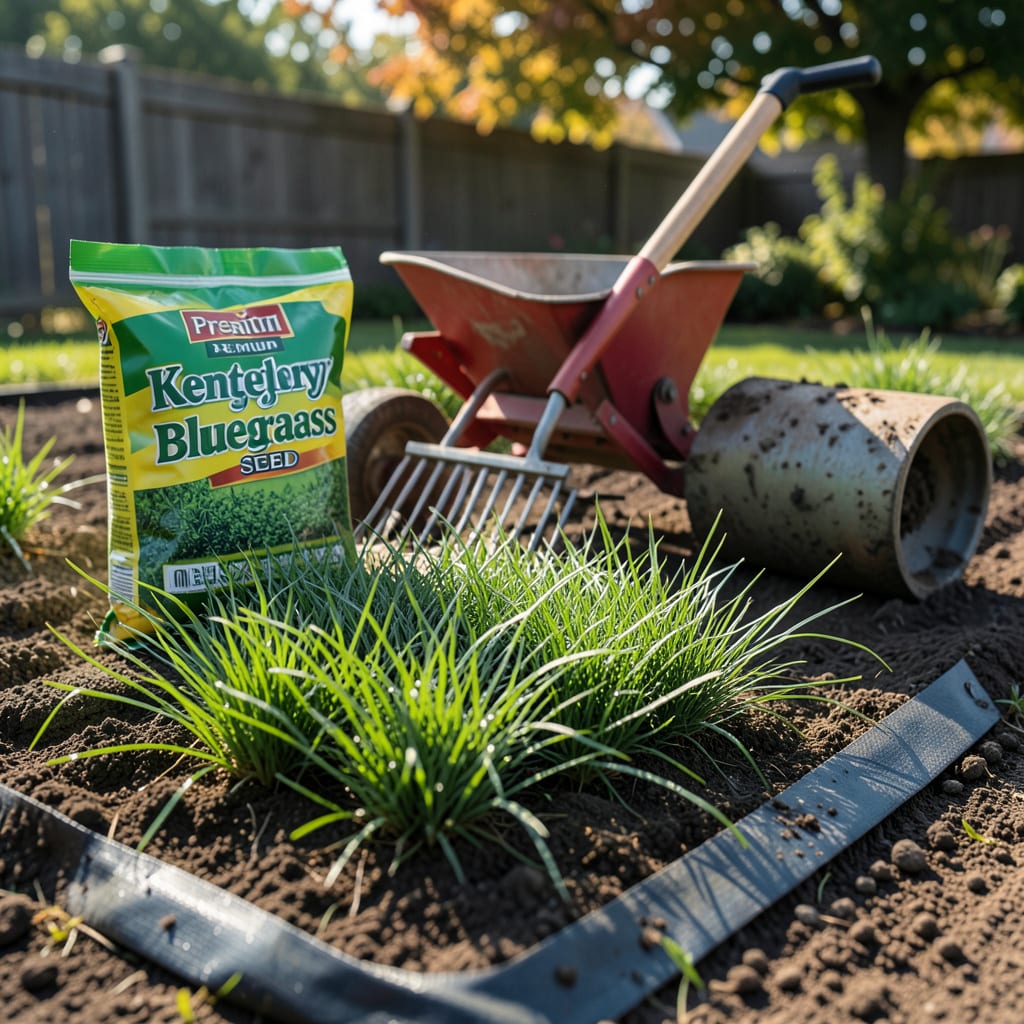
Timing can make or break your Ohio lawn—plant too early or too late, and you might spend next summer staring at bare patches instead of lush green grass. After years of testing and talking to local experts, I’ve nailed down the exact windows that work for our Zones 6a-6b climate.
Whether you’re starting fresh or overseeding, the difference between success and frustration often comes down to a few critical weeks. I’ll show you when to plant for faster germination, stronger roots, and a lawn that thrives—no guesswork required. Let’s get your timing right the first time.
If you want a lush, healthy lawn in Ohio, timing your grass planting is non-negotiable. Ohio’s USDA Zones 5-6 mean we deal with cold winters and warm summers, so picking the right window ensures your grass establishes strong roots before extreme weather hits.
The golden rule for Ohio lawns? Early fall (late August–mid-September) is your best bet for cool-season grasses like Kentucky Bluegrass and Tall Fescue. Spring planting works too, but it comes with more challenges like weeds and heat stress.
| Region | Best Planting Window | Grass Types | Soil Temp Goal |
|---|---|---|---|
| Northern Ohio (Zone 5) | Aug 20–Sep 15 (fall) or Apr 15–May 10 (spring) | Kentucky Bluegrass, Tall Fescue, Perennial Ryegrass | 50–65°F |
| Central Ohio (Zone 6a) | Aug 15–Sep 20 (fall) or Apr 10–May 5 (spring) | Tall Fescue, Fine Fescue, Kentucky Bluegrass | 55–70°F |
| Southern Ohio (Zone 6b) | Aug 10–Sep 25 (fall) or Apr 1–May 15 (spring) | Tall Fescue, Bermudagrass (warm-season), Zoysia | 60–75°F |
*Aim to plant 4–6 weeks before first frost in fall or after last frost in spring.
Why does fall win? Cooler temps and fewer weeds mean less competition for your new grass. Plus, warm soil and cool air create the perfect combo for root development before winter dormancy. I’ve seen lawns planted in September thrive by spring!
Spring planting is doable, but it’s a race against summer heat. If you go this route, seed early (March–April) so roots establish before temperatures spike. Avoid late spring—new grass struggles in 85°F+ heat.
For warm-season grasses like Zoysia or Bermudagrass (only recommended in southern Ohio), plant in late May–early June when soil temps hit 70°F+. These varieties thrive in heat but go dormant in winter.
Pro tip: Check your local frost dates. Northern Ohio’s first frost hits around October 1–15, while southern Ohio gets an extra week or two. Use this to back-calculate your planting window for fall success.
Don’t forget soil prep! Test your soil’s pH (aim for 6.0–7.0) and aerate compacted areas before seeding. A little prep work now saves headaches later when your lawn is patchy or thin.
After planting, keep the soil consistently moist (not soggy) for the first 2–3 weeks. Water lightly daily until germination, then shift to deeper, less frequent watering to encourage root growth.
If you’re overseeding an existing lawn, early fall is still king. Mow low, rake to expose soil, and apply seed right before a light rain for best contact. Your lawn will thank you with thicker, greener growth next year! 🌱
Ohio’s climate favors cool-season grasses like Kentucky Bluegrass and Tall Fescue, but warm-season options can work in southern regions. The key? Matching your grass type to Ohio’s USDA Zones 5-6 and planting at the right time.
Cool-season grasses dominate Ohio lawns because they thrive in our spring and fall temperatures. Warm-season varieties like Zoysia or Bermudagrass are limited to southern Ohio (Zone 6b) and require summer planting. Let’s break down the best options.
| Grass Type | Best for Ohio? | Planting Window | Pros | Cons |
|---|---|---|---|---|
| Kentucky Bluegrass | ✅ Best for most of Ohio | Aug–Sep (fall) or Mar–Apr (spring) | Lush, durable, spreads via rhizomes | Needs frequent watering, struggles in shade |
| Tall Fescue | ✅ Great for all zones | Aug–Sep (fall) or Mar–May (spring) | Drought-tolerant, handles heat, low-maintenance | Clumpy growth, less dense than Bluegrass |
| Perennial Ryegrass | ✅ Good for quick establishment | Aug–Sep (fall) or Mar–Apr (spring) | Germinates in 5–10 days, wear-resistant | Short-lived, prone to disease in humidity |
| Zoysia | ⚠️ Southern Ohio only | May–Jun (summer) | Heat/drought-tolerant, thick turf | Browns in winter, slow to establish |
*Cool-season grasses make up 90% of Ohio lawns due to climate suitability.
For northern and central Ohio, I always recommend cool-season grasses planted in early fall. The soil stays warm while air temps cool, which is ideal for root growth without heat stress. Spring works but requires more watering and weed control.
If you’re in southern Ohio (Zone 6b), you can experiment with warm-season grasses like Zoysia. Plant these in late May–early June when soil temps hit 70°F+. Just remember: they’ll go dormant and brown at the first frost.
Not sure which to choose? Tall Fescue is my top pick for Ohio’s variable weather. It handles heat, drought, and cold better than Kentucky Bluegrass, and it’s more shade-tolerant. For high-traffic areas, mix it with Perennial Ryegrass for quick coverage.
Once you’ve picked your grass, soil prep is critical. Test your soil’s pH (aim for 6.0–7.0) and amend with compost if needed. Loosen the top 2–3 inches of soil before seeding to ensure good seed-to-soil contact. This step makes or breaks your lawn’s success! 🌱
Even with perfect timing, small mistakes can ruin your Ohio lawn before it starts. I’ve seen homeowners waste hundreds of dollars on seed and fertilizer by overlooking key details. Let’s tackle the five most common errors—and how to fix them.
First up: planting too late in fall. If you seed after mid-September in northern Ohio or late September in southern regions, your grass may not establish before frost. Young roots can’t survive freezing temps, leaving you with patchy results come spring.
*Fix these, and you’ll avoid 90% of new-lawn failures in Ohio!
Another biggie: skipping soil prep. I can’t stress this enough—testing your soil’s pH and amending it saves headaches later. Ohio soils often lean acidic (pH < 6.0), which stunts grass growth. A $10 soil test tells you if you need lime or sulfur.
Don’t overlook seed-to-soil contact. Simply tossing seed on compacted ground leads to poor germination. Use a rake or lawn roller to press seeds ¼ inch deep into loosened soil. This simple step doubles your success rate!
Watering mistakes are another lawn killer. New grass needs consistent moisture—not drenching. Water lightly daily for the first 10–14 days, then shift to deeper, less frequent sessions. Avoid evening watering to prevent fungal diseases like dollar spot.
Finally, mowing too soon can wreck young grass. Wait until blades reach 3–4 inches tall before the first cut, and never remove more than ⅓ of the height at once. Use a sharp mower blade to avoid tearing tender new growth. 🌱
Summer planting is risky in most of Ohio due to heat stress and drought conditions. The exception is southern Ohio (Zone 6b), where warm-season grasses like Zoysia can be planted in late May–June. For cool-season grasses, summer’s 85°F+ temps often lead to poor establishment.
Germination times vary by grass type. Perennial Ryegrass sprouts fastest in 5–10 days, while Kentucky Bluegrass may take 14–21 days. Tall Fescue typically emerges in 7–14 days under ideal conditions (moist soil, 50–65°F temperatures). Keep soil consistently damp during this period.
Planting before soil temps reach 50°F (usually pre-April in Ohio) risks poor germination or seed rot. Early spring soils are often too cold and wet, delaying growth and inviting fungal diseases. Wait until after the last frost date (April 1–May 1, depending on region) for best results.
Use a starter fertilizer (high in phosphorus, like 10-20-10 NPK) at planting to boost root development. Avoid heavy nitrogen fertilizers initially—they can burn tender new growth. Apply 1 lb of phosphorus per 1,000 sq ft and water it in lightly. Feed again 4–6 weeks later with a balanced fertilizer.
Avoid foot traffic for at least 4 weeks after planting. New roots are fragile, and compaction can kill emerging seedlings. If you must walk on it, lay down plywood boards to distribute weight. Wait until grass reaches 3–4 inches tall before regular use.
