
Beautiful Plants For Your Interior
Beautiful Plants For Your Interior
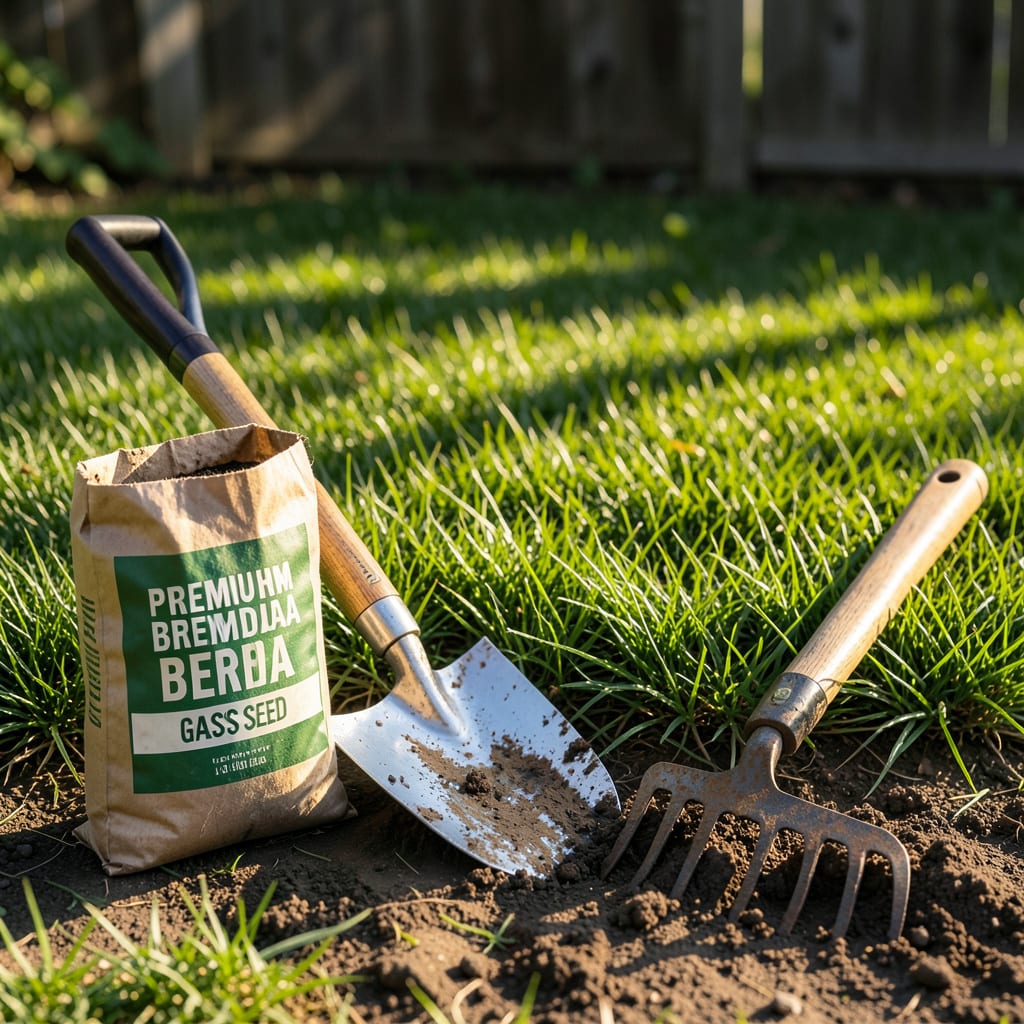
Timing your ✂️ Grass planting in Georgia can mean the difference between a patchy lawn and a lush, green paradise. Whether you’re in the Piedmont or along the coast, the wrong month could leave you battling weeds or drought-stressed turf.
After testing different seasons and grass types across Zones 7a-9a, I’ve found the best windows for success. Let me break down exactly when to plant—and why it matters—for a lawn that thrives year-round.
If you’ve ever wondered why your neighbor’s lawn looks like a golf course while yours resembles a patchy quilt, timing is likely the culprit. In Georgia, our humid subtropical climate means grass planting isn’t a one-size-fits-all game. The Piedmont’s clay-heavy soil and the Coastal Plain’s sandy stretches demand different strategies—even for the same grass type.
I’ve seen too many homeowners plant Bermuda grass in July’s scorching heat or Tall Fescue just before November’s first frost, only to watch their efforts wither. The secret? Soil temperature trumps calendar dates. Cool-season grasses need 50–65°F soil, while warm-season varieties crave 75–85°F. Get this right, and you’ll cut your watering and weeding battles in half.
| Region | Warm-Season Grasses | Cool-Season Grasses | Soil Temp Range |
|---|---|---|---|
| Piedmont (Atlanta, Athens) |
May–July (Bermuda, Zoysia) |
Sept 1–Oct 15 (Fescue, Rye) |
50–85°F |
| Coastal Plain (Savannah, Brunswick) |
April–June (Centipede, St. Augustine) |
Oct 1–Nov 15 (Overseeding only) |
55–90°F |
| Mountains (Blue Ridge, Dahlonega) |
June–July (Bermuda, Zoysia) |
Aug 15–Sept 30 (Fescue, Bluegrass) |
45–80°F |
Pro Tip: Use a soil thermometer ($10 at any garden center) to hit these temps. Plant 4–6 weeks before first frost for cool-season grasses!
Let’s talk Piedmont specifics. Here, May through early July is prime time for warm-season grasses like Bermuda or Zoysia. Why? The soil stays warm enough to promote root growth before summer droughts hit. But if you’re planting Tall Fescue, wait until September. The cooler nights and warm days create perfect germination conditions.
Down in the Coastal Plain, the rules bend slightly. Centipede grass thrives when planted April through June because it hates cold snaps. I’ve lost count of how many Savannah homeowners I’ve seen replant after a late March freeze wiped out their early efforts. For St. Augustine, aim for May—it needs consistent warmth to establish before hurricane season’s rains.
Up in the Mountains, elevation plays tricks. Frost dates shift earlier, so cool-season grasses like Kentucky Bluegrass need to go in by late August. Warm-season grasses? June or July is your window—any earlier, and unpredictable spring frosts can stunt growth. I always tell Dahlonega gardeners: “When the azaleas bloom, it’s go time for warm-season grass.”
Here’s a hard-learned tip: Avoid planting in August (unless you’re overseeding). The combination of heat and back-to-school droughts makes it nearly impossible to keep soil moist enough for germination. If you miss your window, wait for fall—it’s Georgia’s second spring for cool-season grasses.
Still unsure? Grab a $20 soil test from your local UGA Extension office. They’ll tell you exactly what your soil lacks (usually lime in the Piedmont, sulfur on the Coast) and whether you’re dealing with compacted clay or fast-draining sand. Adjust your planting time by 2 weeks based on their recommendations—it’s the difference between a lush lawn and a weed magnet.
Remember, watering is non-negotiable for the first 4–6 weeks. Set your sprinkler for early morning (4–8 AM) to minimize evaporation and prevent fungal diseases. In the Coastal Plain, you might need to water daily for the first week—sandy soil drains fast! In the Piedmont, every other day usually suffices.
Finally, mow high for the first month. Keeping your grass at 3–4 inches shades the soil, retaining moisture and blocking weeds. I’ve seen new lawns choke out because someone mowed too short too soon. Patience pays off—your lawn will thank you with deeper roots and fewer brown patches come summer.
🌱Not all grass is created equal in Georgia—what thrives in Savannah’s salty air might flop in Atlanta’s clay. I’ve watched homeowners waste hundreds on Kentucky Bluegrass in the Coastal Plain, only to see it fry by July. The key? Match your grass to your region’s microclimate and planting window.
Warm-season grasses like Bermuda and Zoysia dominate most of Georgia, but cool-season varieties (think Tall Fescue) have their place—especially in the Mountains or for overseeding. Let’s break down which grasses play well with Georgia’s USDA Zones 7a–9a and when to get them in the ground.
| Grass Type | Best Regions | Planting Window | Key Traits |
|---|---|---|---|
| Bermuda | Piedmont, Coastal | May–July | Drought-tolerant, full sun, handles heat |
| Zoysia | Piedmont, Mountains | April–June | Slow-growing, low maintenance, cold-hardy |
| Centipede | Coastal Plain | April–May | Acid-loving, low fertility, shade-tolerant |
| Tall Fescue | Mountains, Piedmont | Sept–Oct | Cool-season, shade-tolerant, stays green longer |
| St. Augustine | Coastal Plain | May–June | Salt-tolerant, thrives in heat, needs frequent water |
Pro Tip: Overseed Bermuda with Annual Rye in October for winter green—just mow it low come spring!
If you’re in the Piedmont, Bermuda is your best bet for full-sun areas. It laughs at drought and bounces back from foot traffic. But here’s the catch: it goes dormant in winter, turning brown. Pair it with Tall Fescue in shady spots or overseed in fall for year-round green.
Down on the Coast, Centipede and St. Augustine reign supreme. Centipede thrives in acidic, sandy soil and needs almost no fertilizer—perfect for lazy gardeners. St. Augustine, though thirsty, handles salt spray and humidity like a champ. Just don’t plant it north of Macon—it won’t survive the winters.
For the Mountains, Tall Fescue is king. It stays green 8 months a year and handles cold snaps better than warm-season grasses. Plant it in early fall (September) so roots establish before frost. If you’re set on warm-season grass, Zoysia is your cold-hardiest option—but it’ll need winter protection in Zone 7a.
Here’s a game-changer: Soil prep matters more than seed choice. I’ve seen premium Bermuda seed fail in compacted clay and cheap Fescue thrive in loamy soil. Before planting, aerate, add 2 inches of compost, and test pH. Piedmont soils often need lime; Coastal soils may need sulfur.
Timing your fertilizer is just as critical. Warm-season grasses like Bermuda want a 16-4-8 ratio in late spring, then a light feed in summer. Cool-season grasses? Hit them with 10-10-10 in fall for root growth. Skip winter feeding—dormant grass doesn’t eat!
🌿I’ve seen even the most enthusiastic gardeners sabotage their Georgia lawns with avoidable blunders. After helping dozens of homeowners troubleshoot patchy Bermuda and struggling Fescue, I’ve pinpointed the five most costly mistakes—and how to sidestep them.
First up: Planting at the wrong time. I can’t count how many times I’ve watched folks sow cool-season grass in July’s heat or warm-season varieties in November’s chill. Remember, soil temperature (not just air temp) dictates success. Cool-season grasses need 50–65°F soil, while warm-season types demand 75–85°F.
Quick Fix: If you’ve already planted, mulch lightly with straw to retain moisture and water deeply at dawn.
Another lawn-killer: Neglecting soil prep. I once watched a neighbor scatter expensive Zoysia seed onto hardpacked clay—without tilling or compost. Unsurprisingly, his lawn looked like a sparse, weedy mess by summer. The fix? Aerate compacted soil, mix in 2–3 inches of compost, and rake smooth before planting.
Then there’s the watering missteps. New grass needs consistent moisture, but not a swamp. In the Piedmont’s clay, overwatering leads to root rot. On the Coast, underwatering lets sandy soil dry out too fast. Use a rain gauge to track 1–1.5 inches weekly, and water in early morning to reduce evaporation.
Finally, mowing too soon stunts young grass. I’ve seen eager homeowners scalp their new lawn at 2 inches, only to watch it burn in the sun. Wait until grass reaches 4–5 inches, then mow to 3 inches. This shades roots, conserves moisture, and crowds out weeds. Trust me—your patience will pay off with a thicker, healthier lawn.
✂️Spring planting works for warm-season grasses like Bermuda, but fall is ideal for cool-season varieties like Fescue. Fall’s cooler temps and warm soil reduce stress on new grass, while spring plantings often battle weeds and drought.
It’s risky! July–August heat stresses new grass, and water restrictions may apply. If you must, choose drought-tolerant varieties like Bermuda and water daily at dawn. For most areas, wait until September for better results.
Check for three signs: soil temp between 50–65°F (cool-season) or 75–85°F (warm-season), moist but not soggy texture, and no competing weeds. A $10 soil thermometer from your local extension office removes the guesswork.
Centipede grass wins for low upkeep—it thrives in acidic Coastal soils, needs little fertilizer, and resists pests. In the Piedmont, Zoysia is another low-maintenance champ, though it grows slowly. Both cut mowing and watering chores significantly.
Skipping the soil test! Georgia’s clay (Piedmont) and sandy (Coastal) soils often need amendments like lime or sulfur. Planting without testing can lead to poor germination or nutrient deficiencies—wasting time and money.
