
Beautiful Plants For Your Interior
Beautiful Plants For Your Interior
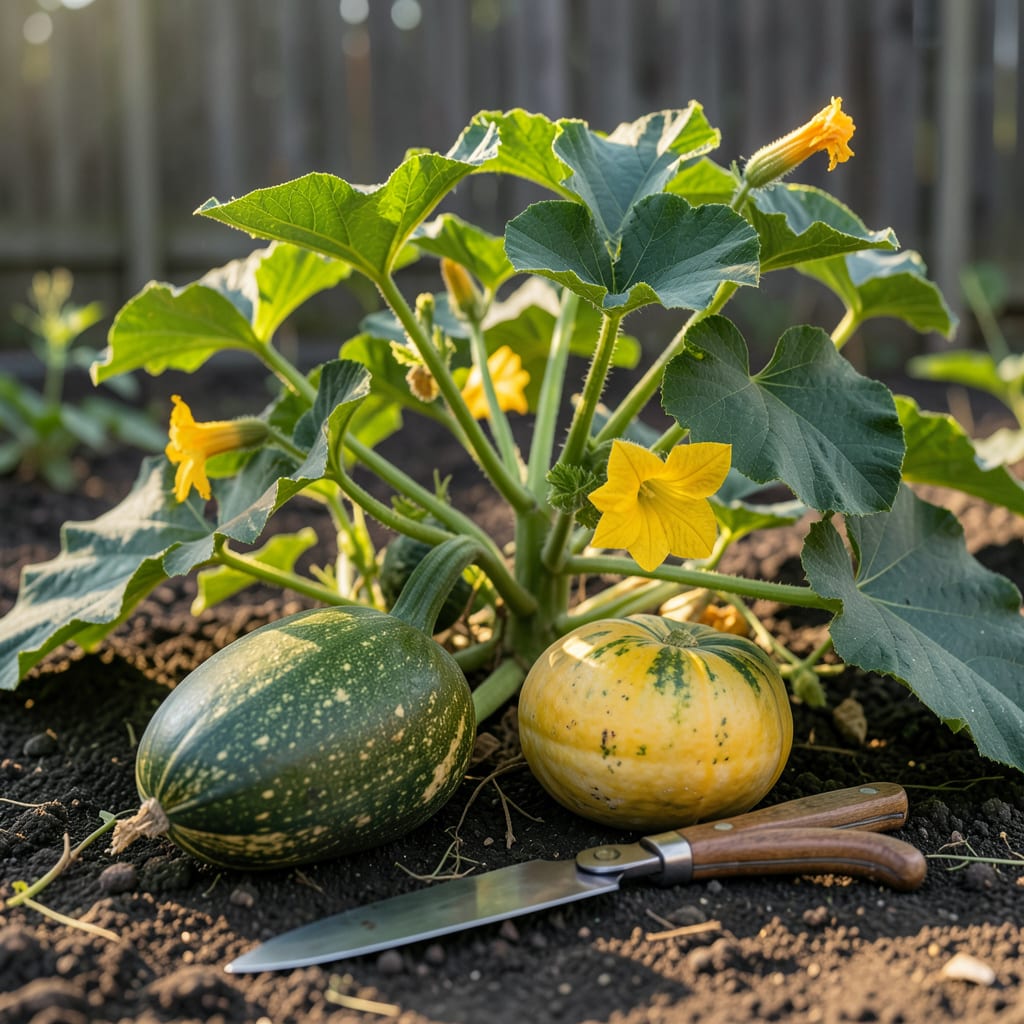
Knowing exactly when to harvest 🎃 Squash can make or break your crop. Pick too early, and you miss out on full flavor. Wait too long, and you risk spoilage.
I’ll show you the key signs to look for, from rind hardness to stem condition, so you can gather your bounty at just the right moment. Let’s get started.
Timing your squash harvest perfectly ensures the best flavor and texture. I look for visual cues and physical tests to confirm ripeness, especially for both summer and winter varieties. These signs are reliable indicators.
The rind hardness, stem condition, and color depth are my top checks. For example, a dull, hard rind that resists fingernail pressure means it’s ready. A dry, woody stem is another clear signal.
| Sign | Summer Squash | Winter Squash |
|---|---|---|
| Rind Hardness | Tender, puncturable | Hard, not puncturable |
| Stem Condition | Green, flexible | Dry, brown, woody |
| Color | Bright, glossy | Deep, dull, solid |
| Vine Condition | Healthy, active | Dying back |
For summer squash like zucchini or yellow squash, I harvest when the skin is still tender but the fruit is firm. Waiting too long makes them seedy and tough, so I check daily once they near maturity.
Winter squash like butternut or acorn need full maturity. I confirm by pressing my fingernail into the rind. If it doesn’t leave a mark, it’s ready. The stem should also be dry and brown.
Another tip: color consistency matters. A deep, even hue across the squash signals ripeness. For pumpkins, I wait until the vines start dying back and the color is solid orange.
I also consider the days to maturity listed on the seed packet. For example, zucchini is typically ready in 45-55 days, while butternut squash takes 80-100 days. This helps me anticipate the harvest window.
Weather plays a role too. I avoid harvesting squash when it’s wet or frosty, as this can damage the fruit. A dry, sunny day is ideal for picking and ensures better storage.
For storage, I cure winter squash in the sun for 7-10 days to harden the skin further. This extends its shelf life significantly. Summer squash, however, is best used fresh within a week.
Finally, I always use pruning shears or a sharp knife to cut the squash from the vine, leaving 1-2 inches of stem. This prevents damage and disease. Never carry squash by the stem, as it can break and reduce storage life.
By paying attention to these key indicators, I ensure my squash is always at its peak when harvested 🌱
Understanding the harvest windows for different squash types is key. I always check the seed packet for days to maturity, but visual cues are just as important. Summer squash and winter squash have very different timelines.
Summer squash like zucchini and yellow squash mature quickly, often in 45-60 days. I harvest these when they’re small and tender, usually 6-8 inches long, to avoid tough skins and large seeds.
| Variety | Days to Maturity | Harvest Size | Storage |
|---|---|---|---|
| Zucchini | 45-55 days | 6-8 inches | Use fresh |
| Yellow Squash | 50-60 days | 6-7 inches | 1 week fresh |
| Butternut | 80-100 days | 8-12 inches | Months stored |
| Acorn | 80-90 days | 4-7 inches | 1-3 months |
Winter squash like butternut and acorn take much longer, often 80-100 days. I wait until the rind is hard and the stem is dry. These can be stored for months in a cool, dry place.
For pumpkins, I look for a deep orange color and a hard rind. They typically need 90-120 days to mature. I also check that the vines are dying back, which is a sure sign they’re ready.
I always harvest in the morning when the plants are hydrated. Using a sharp knife or pruning shears, I cut the squash with a 1-2 inch stem to prevent rot during storage.
Weather matters too. I avoid harvesting when it’s wet or frosty, as this can damage the squash. A dry, sunny day is ideal for picking and ensures the best storage life 🌱
Even experienced gardeners can make harvesting mistakes that reduce squash quality. I’ve learned to avoid picking too early or too late, as both can ruin flavor and storage potential.
Another common error is using dull tools or pulling squash by hand. This can damage the vine or fruit, leading to spoilage. Always use sharp pruning shears for clean cuts.
⚠️ Warning: Never harvest squash when the vines are wet or during frosty conditions. This can introduce moisture or cold damage, reducing shelf life.
I also see gardeners ignore the stem length. Cutting too close to the squash removes its natural protection. I always leave 1-2 inches of stem to prevent disease and extend storage.
Timing matters too. Harvesting summer squash like zucchini too late results in oversized, seedy fruit. I check plants daily once they start producing to catch them at the right size.
For winter squash, picking before the rind hardens means it won’t store well. I test by pressing my fingernail into the skin—if it leaves a mark, it’s not ready yet.
By avoiding these common pitfalls, I ensure my squash stays fresh and flavorful longer ☀️
Look for tender skin and a firm texture. Harvest when fruits are 6-8 inches long for zucchini. Waiting too long makes them tough and seedy, so check daily once they start growing.
Summer squash like zucchini mature in 45-60 days, while winter squash like butternut need 80-100 days. Winter varieties also have hard rinds and dry stems when ready.
No, always wait for dry conditions. Harvesting when wet can introduce moisture that causes rot. A sunny morning is ideal for both picking and storage quality.
The stem prevents disease and extends storage life. Always leave 1-2 inches when cutting. Removing it entirely exposes the fruit to bacteria and reduces shelf life.
