
Beautiful Plants For Your Interior
Beautiful Plants For Your Interior
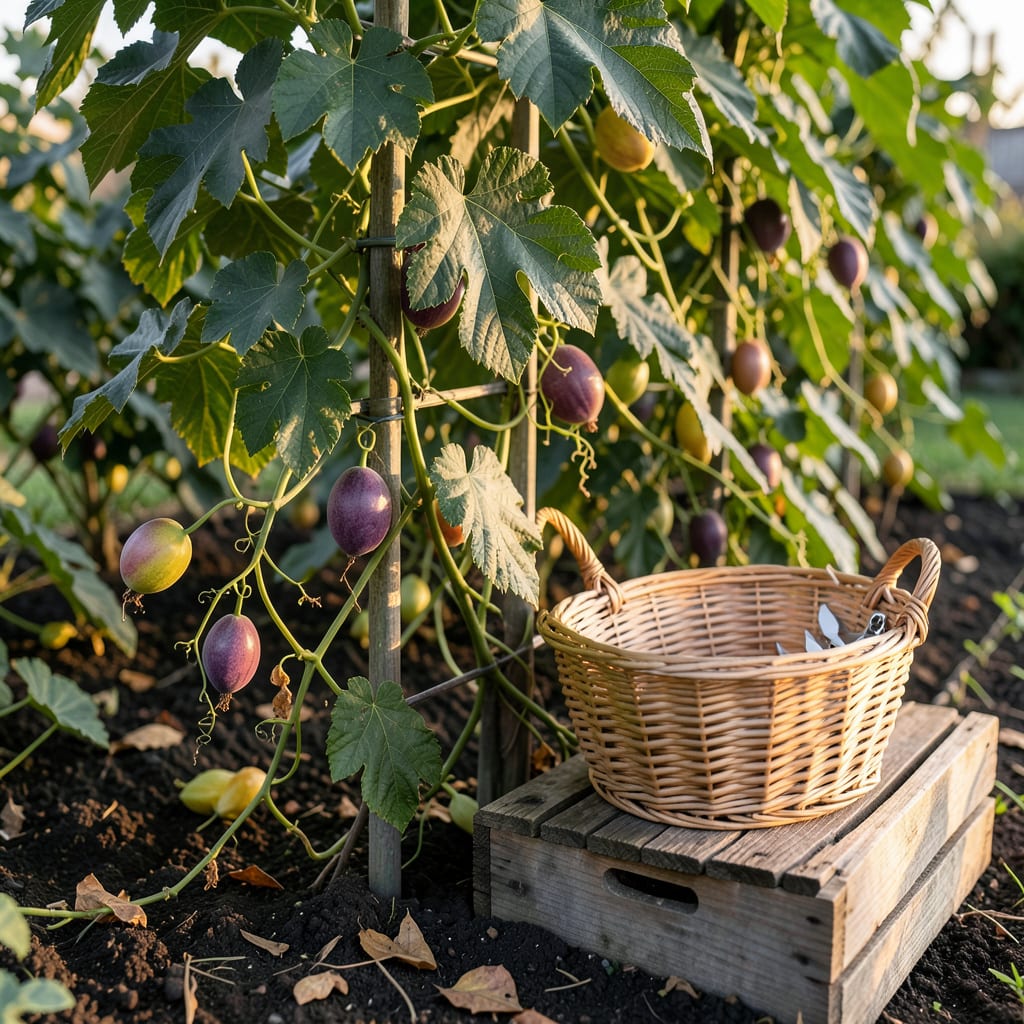
Nothing beats the taste of perfectly ripe Passion Fruit 🧡 straight from your garden, but knowing when to pick it can feel like guesswork. The timing makes all the difference between a tart disappointment and a burst of tropical sweetness.
I’ll show you the surefire signs to watch for—from color changes to subtle texture shifts—that guarantee your harvest is at its peak. Let’s make every fruit count.


I’ve found that the color change is the first sign your passion fruit is maturing. For purple varieties, watch for the skin to shift from green to deep purple. With yellow passion fruit, the transition moves from green to golden yellow. 🌿
Another clear indicator is the skin texture. When the fruit is ready, it develops a slightly wrinkled appearance, almost like it’s shriveling a bit. This wrinkling happens as the sugar content increases and the fruit begins to soften inside.
| Sign | Purple Variety | Yellow Variety |
|---|---|---|
| Color | Deep purple | Golden yellow |
| Texture | Slightly wrinkled | Slightly wrinkled |
| Weight | Heavy for size | Heavy for size |
| Aroma | Strong sweet scent | Strong sweet scent |
I always check the weight of the fruit too. A ripe passion fruit feels heavy for its size, indicating that the pulp inside is juicy and fully developed. If it feels light, it’s likely not ready yet.
The aroma test is another reliable method. Ripe passion fruit emits a strong, sweet fragrance that you can smell even before picking. If there’s no scent, the fruit probably needs more time on the vine. ✂️
For purple passion fruit, I look for a uniform deep color with no green patches. Yellow varieties should be a rich golden hue all over. If there are still green spots, it’s not ready.
I’ve noticed that the tendril near the fruit often dries up as the fruit ripens. While not a definitive sign on its own, when combined with color and texture changes, it’s a good confirmation that the fruit is ready.
If you’re growing passion fruit in cooler climates, the ripening process might take a bit longer. In these cases, I recommend being extra patient and waiting for all the visual signs to align.
One mistake I’ve made in the past is picking passion fruit too early because it looked ripe from afar. Always get up close and check the color, texture, and weight to be sure. It’s worth the extra moment to avoid disappointment.
When in doubt, I let the fruit fall naturally from the vine. Passion fruit often detaches easily when fully ripe, and this is nature’s way of telling you it’s time. If it doesn’t come off with a gentle twist, it’s not ready yet. 🌱
I always start with the gentle squeeze test to check ripeness. A ripe passion fruit will yield slightly under light pressure, while an unripe one stays firm. Be careful not to squeeze too hard or you’ll damage the fruit. 🌿
Another method I rely on is the scent detection test. Ripe passion fruit releases a strong, sweet aroma near the stem. If you don’t smell anything, it’s not ready yet. This works best in the early morning when scents are strongest.
⚠️ Warning: Don’t harvest based on color alone. Some varieties change color before they’re fully ripe. Always combine multiple tests for the most accurate results.
The tendril observation method is one of my favorites. When the tendril nearest the fruit turns brown and dries up, it’s often a sign the fruit is nearing ripeness. This works especially well for purple passion fruit varieties.
I’ve learned that time of day matters when testing ripeness. The best time to check is in the late afternoon when the fruit has had all day to develop its sugars. Morning tests might give false negatives.
For yellow passion fruit, I pay extra attention to the skin texture. As it ripens, the skin develops a slightly wrinkled appearance, which is more noticeable than in purple varieties. This is a great visual cue.
Remember that passion fruit ripens from the inside out. Even if the exterior looks perfect, the interior might still need time. That’s why combining the squeeze, scent, and tendril tests gives the most reliable results. ✂️
Picking passion fruit at the wrong time can ruin your harvest. If you pick too early, the pulp will be hard and sour, with none of that sweet tropical flavor we all love. 🌿
I’ve learned the hard way that underripe fruit lacks the juicy texture and complex taste that makes passion fruit special. The seeds are still firm, and the overall experience is disappointing.
On the other hand, overripe passion fruit can be just as problematic. The pulp may ferment, giving it an off-putting taste and smell. The fruit might also fall from the vine on its own, which can lead to bruising. ✂️
If you accidentally pick underripe fruit, try leaving it at room temperature for a few days. It won’t be as good as vine-ripened, but it can improve. For overripe fruit, use it quickly in smoothies or juices to mask the fermentation.
I always remind myself that patience is key. Waiting for the perfect moment ensures the best flavor and texture. Trust the visual signs and tests we’ve discussed—they’ll guide you to the ideal harvest time. 🌱
Gently squeeze the fruit—it should yield slightly. Also, ripe fruit emits a strong sweet aroma near the stem. Check these in the late afternoon for best results.
The pulp will be hard and sour, lacking sweetness. The seeds remain firm, and the flavor is disappointing. It’s best to wait for full color and texture changes.
Yes! Fruit that falls naturally is often at peak ripeness. Just check for bruising and use it quickly, as it may overripen faster off the vine.
Purple types turn deep purple when ripe, while yellow ones shift to golden yellow. Both develop a wrinkled skin and heavy feel when ready.
