
Beautiful Plants For Your Interior
Beautiful Plants For Your Interior
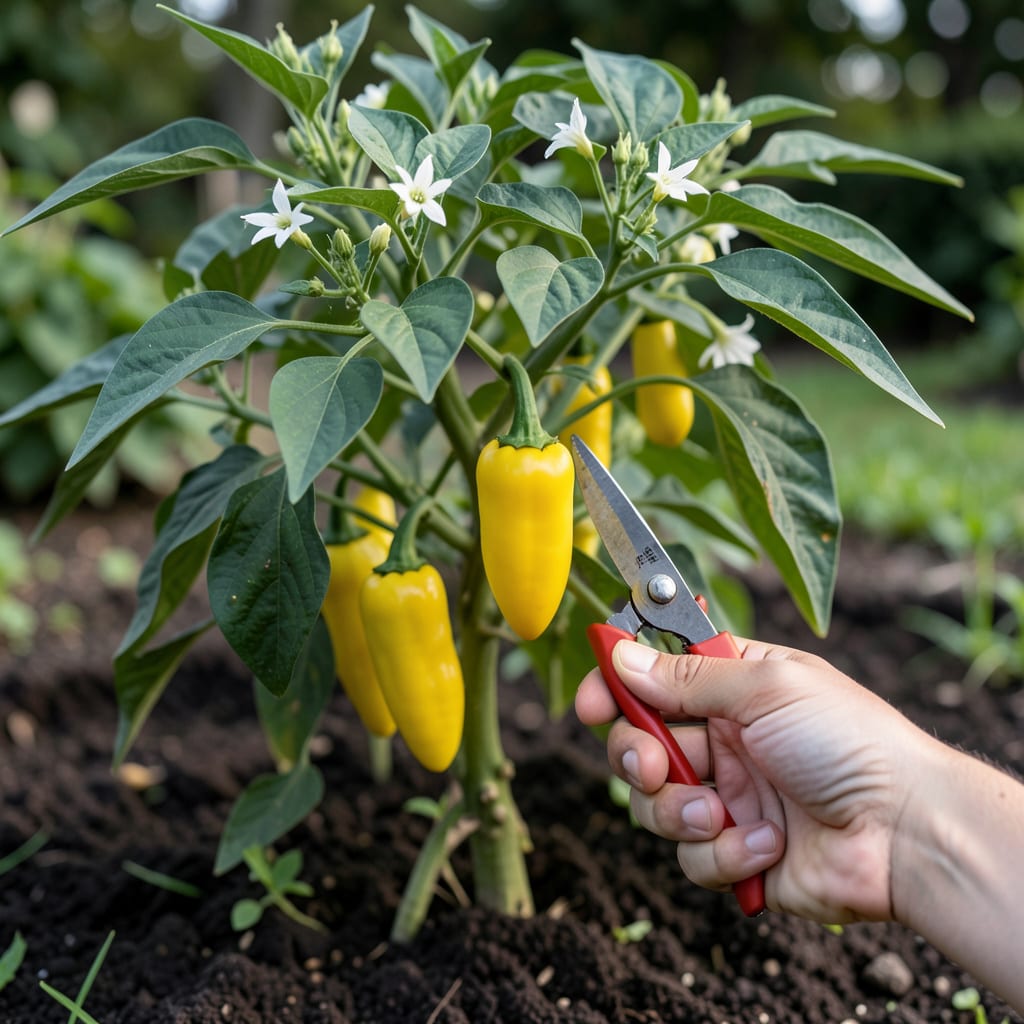
Picking Banana Pepper 🌶️ at the right time ensures the best flavor and yield. Knowing when to harvest can be tricky, even for seasoned gardeners.
I’ll show you the key signs to watch for, from color changes to size, so you can enjoy your peppers at their peak. Let’s make this growing season your most successful yet.


Knowing when to pick banana peppers starts with watching for color changes. Most varieties transition from green to yellow as they ripen, but some turn red or orange at full maturity.
Size matters too—mature banana peppers typically reach 4-6 inches long and feel firm to the touch. A glossy skin is another telltale sign they’re ready for harvest.
| Sign | Description |
|---|---|
| Color | Yellow, red, or orange (depending on variety) |
| Size | 4-6 inches long and plump |
| Texture | Firm and glossy skin |
| Stem | Easily separates from the plant |
I always check the stem connection—if it snaps off easily with a gentle twist, the pepper is ready to pick. This avoids damaging the plant or leaving stubs behind.
For green banana peppers, they’re often picked early for a milder flavor. But if you prefer sweeter or hotter peppers, let them fully ripen to their mature color.
Another trick is the “squeeze test”. Gently press the pepper—if it feels solid and springy, it’s ripe. Softness or wrinkles mean it’s overdue.
Watch for uniform color across the pepper. Streaks of green on a yellow pepper may indicate it needs a few more days to fully ripen.
If you’re growing multiple banana pepper plants, check them daily once they near maturity. Peppers often ripen in batches, so harvest every 2-3 days for peak freshness.
Don’t forget to use clean pruning shears or scissors for a clean cut if the stem resists. This keeps the plant healthy and productive for future harvests.
By paying attention to these visual and tactile cues, you’ll never miss the perfect picking window for your banana peppers again. ☀️
Before harvesting, I always perform a gentle squeeze test to confirm ripeness. A firm pepper with slight give indicates it’s ready, while a soft or wrinkled texture means it’s past its prime.
Another method is the stem inspection. If the pepper easily separates from the plant with a light twist, it’s ripe. Forcing it off may damage the plant or the pepper itself.
I recommend taste-testing a sample if you’re unsure. A ripe banana pepper will have its characteristic sweetness or mild heat, depending on the variety.
For green banana peppers, pick them when they’ve reached full size but are still firm. These are milder and great for fresh eating or pickling.
If you prefer sweeter or spicier flavors, allow the peppers to fully ripen to yellow, red, or orange. The longer they stay on the plant, the more their flavor develops.
Remember, harvesting regularly encourages the plant to produce more peppers. I check my plants every 2-3 days during peak season to catch them at the perfect stage. ✂️
Even experienced gardeners make harvesting mistakes with banana peppers. One common error is picking too early, which results in bland, underdeveloped flavors. I’ve learned to wait until the peppers show full color and size.
Another mistake is waiting too long. Overripe peppers can become soft or mushy, losing their crisp texture. They may also start to rot on the vine, reducing your overall yield.
⚠️ Avoid These Harvesting Pitfalls
Picking too early results in mild, underripe flavors that lack sweetness or heat.
Waiting too long leads to soft, overripe peppers that may rot on the plant.
Using dull tools can crush stems, damaging the plant and reducing future harvests.
Using the wrong tools is another issue. Pulling peppers by hand can damage the plant. Instead, I use clean, sharp pruners or scissors to snip the stem cleanly.
Harvesting inconsistently can also reduce your yield. Banana pepper plants produce more when regularly picked. I check my plants every 2-3 days during peak season to catch them at the right stage.
Finally, ignore weather conditions at your peril. Picking peppers when they’re wet from rain or morning dew can spread disease. I always harvest on dry, sunny days for the best results. ☀️
Banana peppers typically reach harvestable size in 60-80 days after planting. Most varieties are ready at 70 days, when they hit 4-6 inches in length.
Yes! Green peppers are simply the immature stage and have a milder flavor. If you prefer sweeter or hotter peppers, wait until they turn yellow, red, or orange for full ripeness.
Overripe peppers may become soft or mushy, losing their crisp texture. They can also start to rot on the vine, which reduces your overall yield.
Always use clean, sharp pruners or scissors. Pulling by hand can damage the plant. Snip the stem cleanly to avoid crushing and encourage future growth.
