
Beautiful Plants For Your Interior
Beautiful Plants For Your Interior
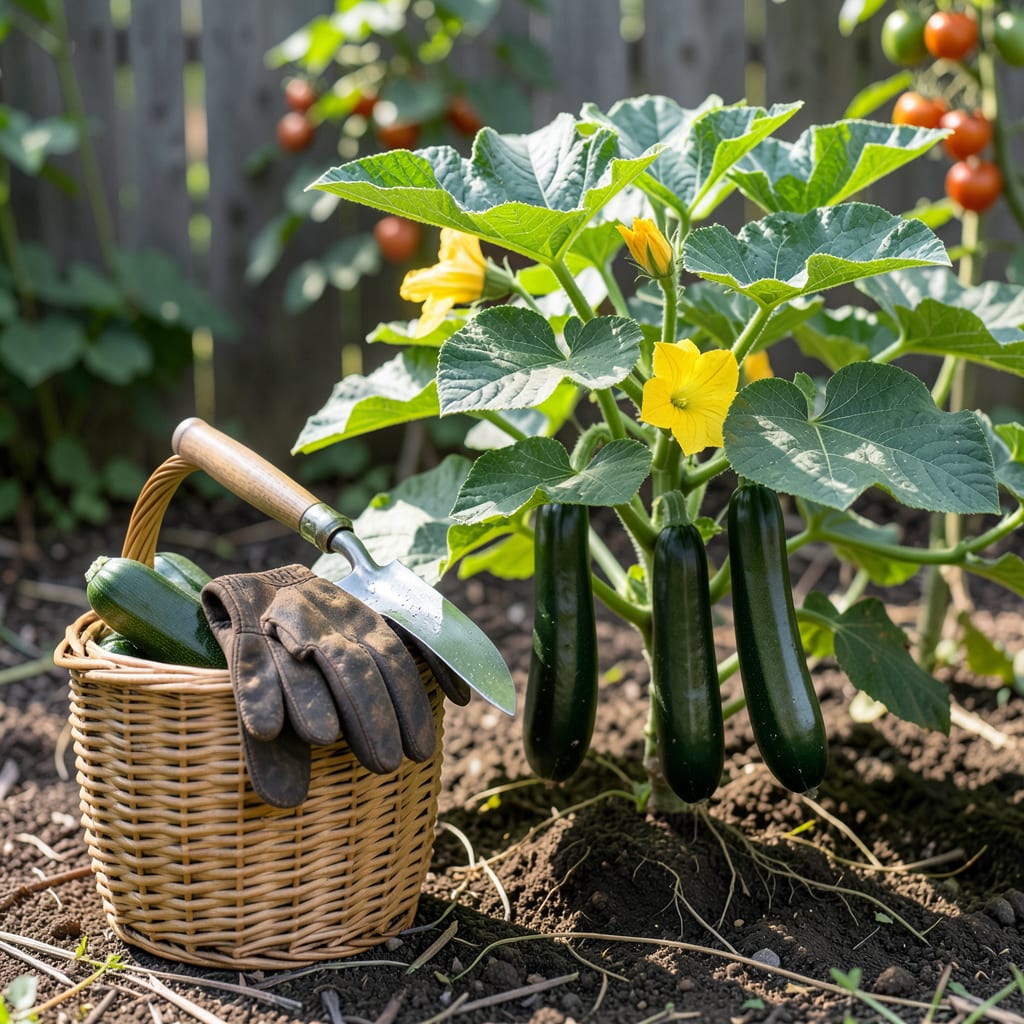
There’s nothing worse than watching your 🥒 zucchini transform from tender to tough overnight. One day it’s the perfect size, the next—well, let’s just say it’s more suitable for a baseball bat than your dinner plate.
Timing is everything when it comes to harvesting zucchini. I’ll show you the exact visual and tactile cues to look for, so you never miss that perfect window between underripe and overgrown. No guesswork, just garden-tested tips to keep your harvests flavorful and productive all season.


I’ve lost count of how many gardeners I’ve seen stare at their zucchini plants, wondering if today’s the day to pick. The difference between a perfectly tender zucchini and a seedy, woody one often comes down to just 24-48 hours. Let’s cut through the guesswork.
Zucchini grows shockingly fast—sometimes an inch per day in warm weather. That’s why I check my plants every morning during peak season. Miss the window, and you’ll end up with a fruit that’s better suited for a compost pile than your plate.
⚠️ Pro Tip: Use a sharp knife or pruners to avoid damaging the plant if the stem resists.
Here’s the trick I swear by: Harvest in the morning. Zucchini picked before 10 AM are crisper and last longer in your fridge. The plant’s also less stressed from heat, so it’ll bounce back faster to produce more fruit.
If you’re growing heirloom varieties like ‘Costata Romanesco’, watch for ribbed edges to soften slightly—this signals peak ripeness. For golden zucchini, the color should be vibrant, not pale. When in doubt, pick earlier. You can always let the next one grow bigger.
Ever noticed how zucchini seem to double in size overnight? That’s because they do. In hot weather (85°F+), check plants twice daily. I’ve had zucchini go from perfect to overripe in 12 hours during a heatwave.
Don’t forget the “thumbnail test”: Press your nail into the skin. If it leaves a mark, the zucchini’s too soft (overripe). If it barely dents, it’s just right. This works for all summer squash, not just zucchini.
Regular harvesting isn’t just about taste—it boosts production. Plants that aren’t picked redirect energy into seeds and leaves instead of new fruit. I aim to harvest every 2–3 days at peak season to keep my plants pumping out zucchini.
If you accidentally let one grow too large, don’t toss it! Overripe zucchini can be hollowed for stuffing, grated for freezing, or composted. But for the best flavor and texture, stick to the 6–8 inch rule. Your taste buds will thank you.
Remember, zucchini plants are prolific producers. One healthy plant can yield 6–10 pounds of fruit in a season. Stay on top of harvesting, and you’ll enjoy tender, sweet zucchini all summer—no baseball bats in sight! 🪴
Not all zucchini are created equal when it comes to harvest time. I’ve grown everything from compact bush varieties to sprawling heirlooms, and each has its own ideal picking window. The key is knowing your variety’s personality—some like it small, others can handle a little extra growth.
Climate plays a huge role too. In cooler zones (like USDA Zone 6), zucchini may take 5-7 days longer to mature than in hotter regions. When in doubt, I always err on the side of picking earlier. A slightly underripe zucchini beats a seedy, woody one every time.
| Variety | Days to Harvest | Ideal Size | Climate Notes |
|---|---|---|---|
| Black Beauty | 45–55 days | 6–8 inches | Thrives in hot climates, may need shade in Zone 9+ |
| Golden Zucchini | 50–60 days | 5–7 inches | Pick when bright yellow, before skin dulls |
| Cocozelle | 50–55 days | 7–9 inches | Italian heirloom—let grow slightly larger for best flavor |
| Eight Ball | 40–45 days | 3–4 inch diameter | Round shape—harvest when firm and glossy |
| Costata Romanesco | 52–60 days | 8–10 inches | Heirloom with ribbed edges—pick when ribs soften slightly |
⚠️ Note: In cool summers, add 5–7 days to all estimates.
For container-grown zucchini, I’ve noticed they often mature 3–5 days faster than in-ground plants. The restricted root space seems to speed up production. If you’re growing in pots, start checking for ripeness at 40 days instead of 45.
Here’s my foolproof trick for first-time growers: When you spot female flowers (the ones with the tiny fruit at the base), mark your calendar for 8–10 days later. That’s typically when the fruit will hit peak ripeness. I use garden twine to tie a bright ribbon around the stem of developing zucchini—it’s my visual reminder to check them daily.
If you’re growing organic zucchini, be extra vigilant about harvest timing. Without synthetic fertilizers, the plants may produce fruit more slowly, but the flavor payoff is worth it. I’ve found organic zucchini often have a shorter optimal harvest window—sometimes just 12–24 hours—before they become overripe.
Remember, zucchini plants are generous. A single healthy plant can produce 3–5 pounds of fruit per week at peak season. The more you pick, the more they’ll give. I make it a habit to do a quick zucchini check every time I water my garden—it’s the best way to catch them at their prime. 🌱
Timing your zucchini harvest isn’t just about preference—it’s the difference between a sweet, tender vegetable and a tough, bitter disappointment. I’ve seen gardeners make both mistakes, and trust me, you want to avoid either extreme. Let’s break down what happens when you pick too soon or wait too long.
When you harvest underripe zucchini, you’re missing out on the plant’s full potential. These small fruits often lack the developed flavor and satisfying texture we love. They might feel firm, but the flesh inside is typically less sweet and can be surprisingly watery when cooked. I’ve found they also don’t store as well in the fridge.
✅ Sweet Spot: 6-8 inches long, glossy skin, firm to touch
On the flip side, overripe zucchini become a completely different beast. The flesh turns woody and stringy, the seeds grow large and tough, and the flavor develops an unpleasant bitterness. I’ve had gardeners tell me their overgrown zucchini were so bitter they were inedible raw—even cooking couldn’t salvage them completely.
The science behind this is fascinating. As zucchini mature, they develop higher concentrations of cucurbitacins, the compounds responsible for that bitter taste. In extreme cases, these can even cause stomach upset. That’s why I always recommend the “when in doubt, pick it” approach—you can always use smaller zucchini, but you can’t reverse overripeness.
There is a silver lining to overripe zucchini, though. While they’re not ideal for fresh eating, they’re perfect for grating and freezing (great for future baking), hollowing for stuffed recipes, or even composting to return nutrients to your soil. I’ve also had success using the seeds from overripe zucchini for next year’s planting—just be sure to let them fully mature and dry first.
Remember, your zucchini plant is a prolific producer when treated right. By harvesting at the optimal time, you’re not just getting better-tasting vegetables—you’re actually encouraging more production. The plant redirects its energy from seed development to creating new flowers and fruit. It’s a beautiful cycle when you get the timing right! 🌿
During peak season, check your plants daily in the morning. Zucchini can grow 1-2 inches per day in warm weather. In hot climates (85°F+), twice-daily checks prevent missing the perfect harvest window.
Baby zucchini (4-5 inches) are tender and delicious. They’re perfect for quick sautés or eating raw. Just ensure the skin is firm and glossy. Smaller sizes often have a sweeter, more delicate flavor.
Harvest in the early morning (before 10 AM) when temperatures are cool. Morning-picked zucchini stay crisper longer and the plants recover faster. Avoid harvesting during midday heat to prevent stressing the plant.
Overripe zucchini develop dull skin, feel soft when pressed, and may show orange tinges. The stem becomes thick and woody, making it hard to snap off. Seeds inside will be large and tough.
Yes! Regular harvesting every 2-3 days signals the plant to produce more flowers. When left unharvested, plants focus energy on seed development instead of new fruit. This simple practice can double your seasonal yield.
