
Beautiful Plants For Your Interior
Beautiful Plants For Your Interior
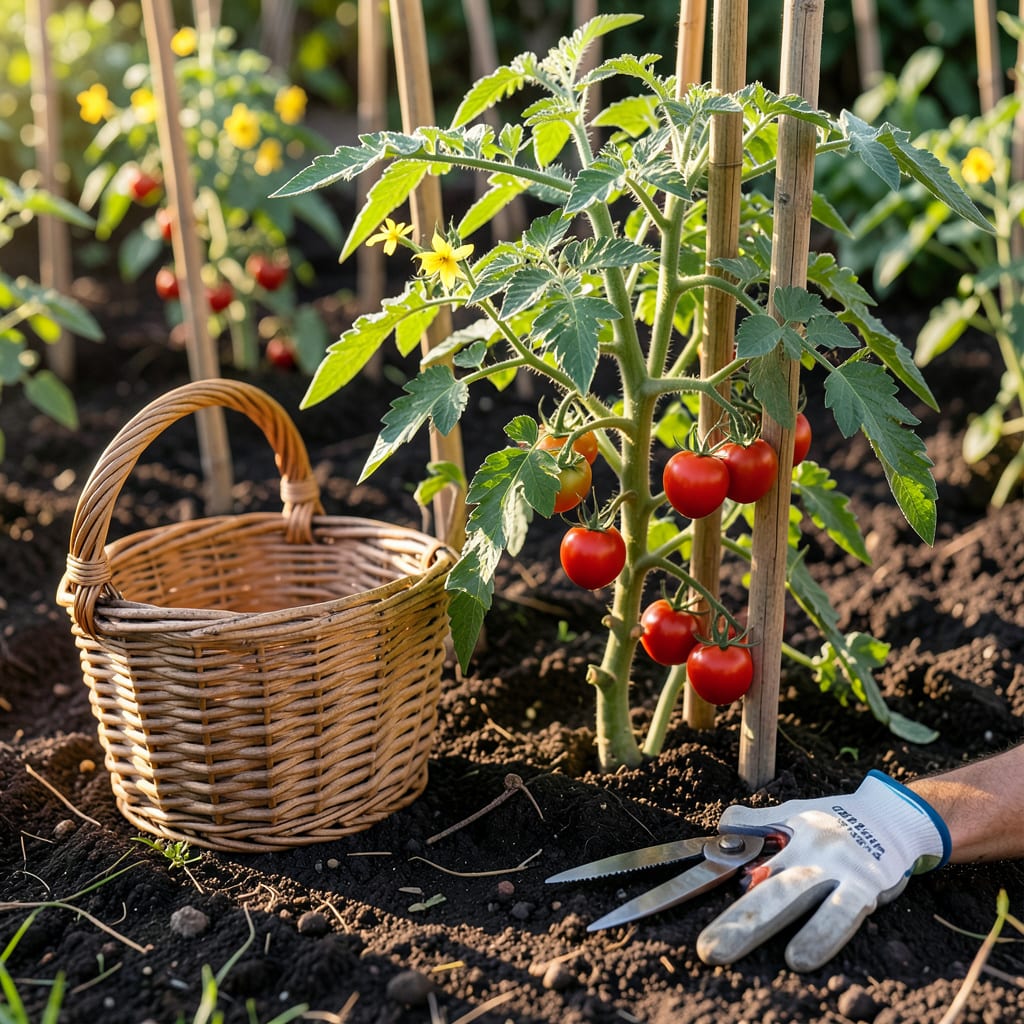
Knowing exactly when to harvest your 🍅 tomatoes can transform your crop from average to bursting with flavor. Timing is everything when it comes to taste and texture.
I’ll show you the simple visual and touch cues to look for, so you can confidently pick at peak ripeness. These tips work for all varieties, from cherry to beefsteak.


I always check for full color development first when determining if a tomato is ready. Most red varieties turn a deep uniform red, while yellow or orange types reach their mature hue. This is your first visual clue that it’s time to harvest.
For me, the texture test is just as important as color. A ripe tomato will have a slight give when gently squeezed, but it shouldn’t feel mushy. The skin should look glossy and smooth, which indicates peak ripeness.
| Variety | Color When Ripe | Texture Clue |
|---|---|---|
| Beefsteak | Deep red | Firm with slight give |
| Cherry | Bright red or yellow | Plump and glossy |
| Heirloom | Purple, green, or striped | Slightly soft |
Don’t forget the scent test. I often find that a ripe tomato has a sweet aroma at the stem end. If it smells fresh and tomato-like, it’s likely ready. This works especially well for heirloom varieties that might have unusual colors.
The “twist test” is my go-to method for confirmation. Gently hold the tomato and give it a slight twist. If it comes off the vine easily, it’s ready. If it resists, leave it for another day or two to fully ripen.
For green varieties like ‘Green Zebra’, color alone isn’t enough. I look for a slight softening and a waxy sheen on the skin. These types often develop a yellowish tint when fully ripe, which can be subtle but noticeable.
Weather plays a role in ripening speed. In my experience, hot weather can cause tomatoes to ripen faster than usual, while cooler temperatures slow the process. Always check your plants more frequently during heatwaves.
I’ve noticed that morning harvesting gives the best results. Tomatoes picked in the early hours tend to be firmer and retain their flavor longer. This is because they’re at their peak hydration after the cool night.
For cluster tomatoes, I harvest the entire truss when most fruits are ripe. The remaining ones will continue to ripen off the vine. This prevents overloading the plant and ensures you don’t miss any hidden behind leaves.
Remember that size isn’t everything. Some small tomato varieties are ready when they’re just 1 inch in diameter, while larger types might need to reach 3-4 inches. Always refer to your specific variety’s characteristics.
Finally, trust your instincts. With practice, you’ll develop an eye for that perfect moment when your tomatoes are at their peak ripeness and ready to be enjoyed fresh from the garden ☀️
I’ve seen many gardeners struggle with timing their tomato harvest, and it often comes down to a few common missteps. Relying solely on color can trick you, especially with green-when-ripe varieties like ‘Green Zebra’.
Another big mistake is ignoring weather impact. Heat speeds up ripening, while cool temps slow it down. Always check the ‘slight twist’ test—if the fruit doesn’t separate easily, it’s not ready. 🌱
⚠️ Avoid These Ripeness Misreads
Don’t rely on color alone—some tomatoes stay green when ripe. Ignoring the easy-separation test can lead to premature picking, while waiting too long risks over-softening and splits.
I always remind gardeners that heirloom varieties often have unique color cues. A ‘Brandywine’ may look pinkish-red when ready, while a ‘Cherokee Purple‘ turns deep burgundy. Know your variety’s mature hue.
Another pitfall is harvesting in extreme heat. Picking at midday peak temps can cause fruit scald. I prefer early morning harvests when temperatures are cooler and the fruit is firm.
Don’t overlook the scent test either. A ripe tomato has a sweet, earthy aroma at the stem. If it smells grassy or bland, give it more time on the vine. 🌿
Finally, check the fruit’s weight. A ready tomato feels heavy for its size due to high juice content. If it feels light or hollow, it’s likely underripe. Patience pays off!
By avoiding these common mistakes, you’ll harvest perfectly ripe tomatoes every time. Trust the combination of cues, not just one signal. ✂️
I always pick my tomatoes in the morning when the plants are hydrated and the fruit is firm. This timing helps prevent bruising and ensures the best flavor. Using clean pruners or your fingers, I gently twist the fruit until it separates from the vine.
For cluster tomatoes, I support the vine with one hand while harvesting with the other to avoid breaking the stem. This method keeps the plant healthy and ready for the next batch of fruit.
Steps to Harvest Tomatoes Safely:
I never pull tomatoes directly off the vine, as this can damage the plant and reduce future yields. Instead, I use a gentle twisting motion or clean pruners for a clean break. This approach keeps both the fruit and the plant in great shape.
For unripe tomatoes, I store them at room temperature away from direct sunlight. They’ll continue to ripen over a few days. Once ripe, I move them to the fridge if I won’t use them immediately, but I try to enjoy them fresh for the best flavor.
By following these steps, I ensure my tomato plants stay productive all season long. It’s a simple process, but the care I take during harvest makes a big difference in both taste and plant health. 🌱
Green-when-ripe varieties like ‘Green Zebra’ develop a slight softening and waxy sheen. Look for a subtle yellowish tint too. The twist test works best—if it separates easily, it’s ready.
Yes, but flavor is best when left on the vine. Store unripe ones at room temperature away from sunlight. They’ll continue ripening over 2-3 days, though vine-ripened taste is superior.
Early morning is ideal when tomatoes are at peak hydration. They’ll be firmer and retain flavor longer. Avoid midday heat to prevent scalding or bruising.
Splitting happens from uneven watering or excessive rain after a dry spell. Keep soil moisture consistent. Once split, pick immediately to prevent rot.
