
Beautiful Plants For Your Interior
Beautiful Plants For Your Interior
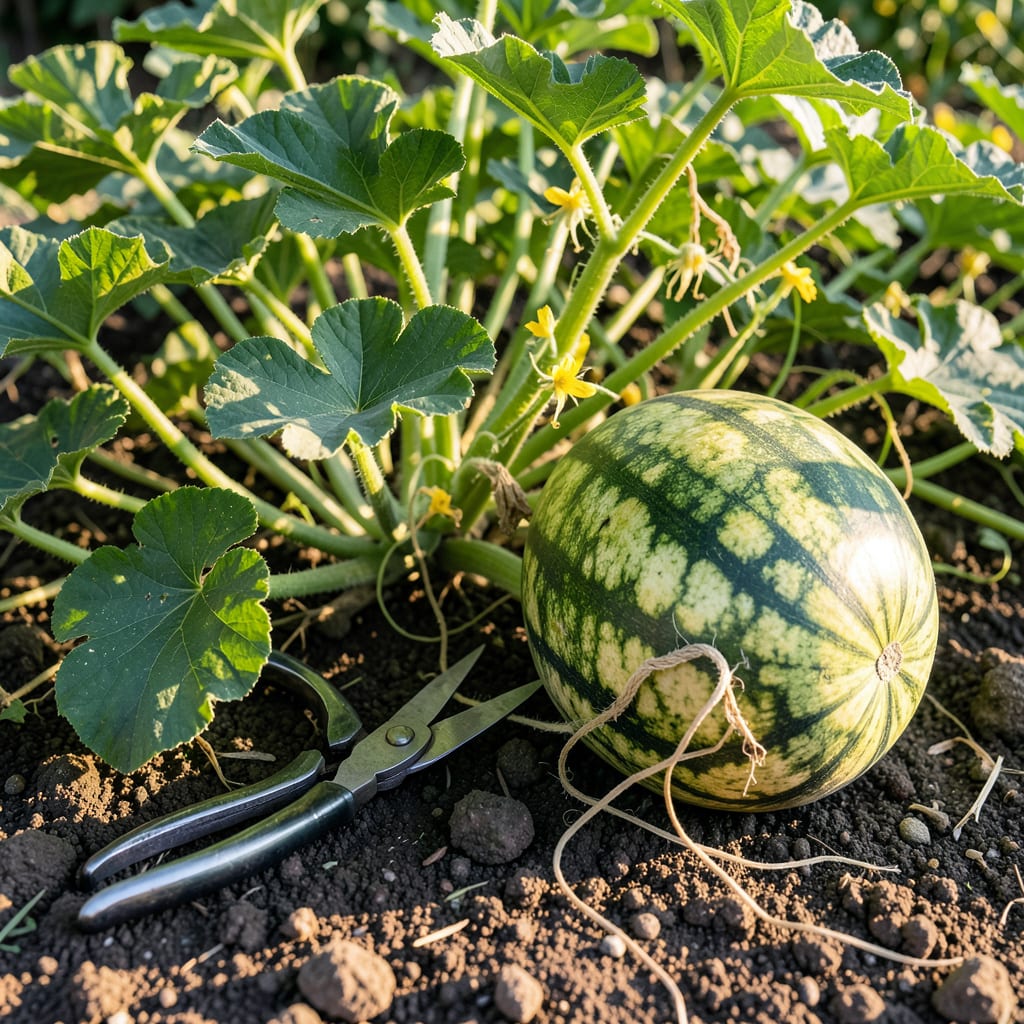
Nothing beats the taste of a perfectly ripe Sugar Baby Watermelon 🍉 fresh from your garden. But how do you know when it’s ready?
I’ll show you the key signs to look for, from color changes to sound tests. With these simple tips, you’ll never pick an underripe melon again.


Timing your Sugar Baby watermelon harvest perfectly ensures the sweetest flavor. These melons typically mature in 75-85 days, but visual and tactile cues are more reliable than counting days alone.
I always check multiple indicators since no single sign guarantees ripeness. The combination of color changes, sound tests, and tendril drying gives me confidence in my harvest timing. 🌱
The tendril test is my go-to first check. When the curly vine nearest the melon stem turns crisp and brown, it’s a strong ripeness indicator. This usually happens just before the melon is fully ready.
For the ground spot, gently lift the melon to check its underside. A creamy yellow color means it’s ready, while a white or pale green spot indicates it needs more time. This works best with melons sitting directly on soil. ☀️
The sound test takes practice but becomes reliable with experience. Hold the melon in one hand and tap it with your knuckles. A deep, hollow sound means ripe, while a high-pitched or metallic sound suggests it’s not ready yet.
I also examine the rind appearance. An unripe Sugar Baby has a shiny, slick surface, while a ripe one develops a dull, matte finish. This change is subtle but noticeable when you compare melons on the same vine.
As a final check, I look for stem separation. While not all melons do this, some will show the stem pulling away slightly from the vine as they reach peak ripeness. Never pull the melon by the stem to test this.
Remember that cool mornings are ideal for harvesting. The melons are crispest then, and you’ll preserve more of their natural sugars. I always use pruning shears to cut the stem cleanly, leaving about 2 inches attached. ✂️
If you’re still unsure, try the thumbnail test. Press your thumbnail into the rind. On a ripe melon, it should resist penetration and not leave a mark. This works best on the blossom end opposite the stem.
Even experienced gardeners sometimes harvest Sugar Baby watermelons too early or too late. I’ve learned that rushing the process often leads to disappointing results, as these melons need their full 75-85 day maturation period. 🌱
One of the biggest errors is relying solely on size as an indicator. A large melon isn’t necessarily ripe, while a slightly smaller one might be perfectly ready. Always combine size with other ripeness tests for accuracy.
⚠️ Harvesting Pitfalls
Avoid picking based on size alone or days since planting. These methods often lead to underripe or overripe melons. Always use multiple ripeness indicators for the best results.
Another common mistake is testing melons in the heat of the day. I always check for ripeness in the early morning when temperatures are cooler. This gives the most accurate results for both the sound test and rind examination.
Many gardeners also overlook the ground spot check. Since Sugar Babies often sit directly on the soil, that creamy yellow color on the underside is a crucial indicator that’s easy to miss if you don’t lift the melon gently.
I’ve found that over-handling the melons can lead to premature harvesting. Each time you lift or tap a melon, you risk damaging the vine or the fruit itself. Be gentle and limit your checks to once every few days.
Finally, don’t make the mistake of waiting for the stem to detach completely. While some separation is normal, a fully detached stem often means the melon is overripe. ☀️
Remember that weather conditions can affect ripening speed. Hot, dry periods may accelerate maturation, while cool, wet weather can slow it down. Adjust your expectations based on your local growing conditions. ✂️
The Sugar Baby watermelon typically reaches maturity in 75-85 days, but this can vary based on your growing conditions. I’ve found that climate and planting method significantly impact the timeline. 🌱
Warmer regions may see faster maturation, while cooler climates might extend the timeline. Container-grown melons often ripen slightly quicker than those planted in-ground due to the controlled environment.
| Condition | Maturation Period |
|---|---|
| Warm Climate | 70-75 days |
| Moderate Climate | 75-80 days |
| Cool Climate | 80-85 days |
| Container-Grown | 70-80 days |
| In-Ground | 75-85 days |
In my experience, consistent warmth speeds up ripening. If your area has hot summers, expect your Sugar Babies to mature at the lower end of the timeline. Conversely, in cooler regions, they may take the full 85 days or slightly longer. ☀️
For container gardening, the controlled soil temperature can promote faster growth. Just ensure your pots are large enough (at least 5 gallons) and have good drainage to prevent root rot.
Remember that seasonal variations play a role too. A late spring with cooler temperatures might delay ripening, while a hot, dry summer could accelerate it. Always use the visual cues we discussed earlier to confirm readiness. ✂️
The ground spot should turn from white to creamy yellow when ready. This is one of the most reliable visual cues for Sugar Babies sitting directly on soil.
Hold the melon in one hand and tap it firmly with your knuckles. A deep, hollow sound means it’s ripe, while a high-pitched sound indicates it needs more time.
No, the curly vine tendril nearest the stem should be brown and brittle first. A green tendril means the melon isn’t ready yet, even if other signs suggest otherwise.
Never rely on size alone. A large melon might be underripe while a smaller one could be perfectly ready. Always combine multiple indicators for accuracy.
