
Beautiful Plants For Your Interior
Beautiful Plants For Your Interior
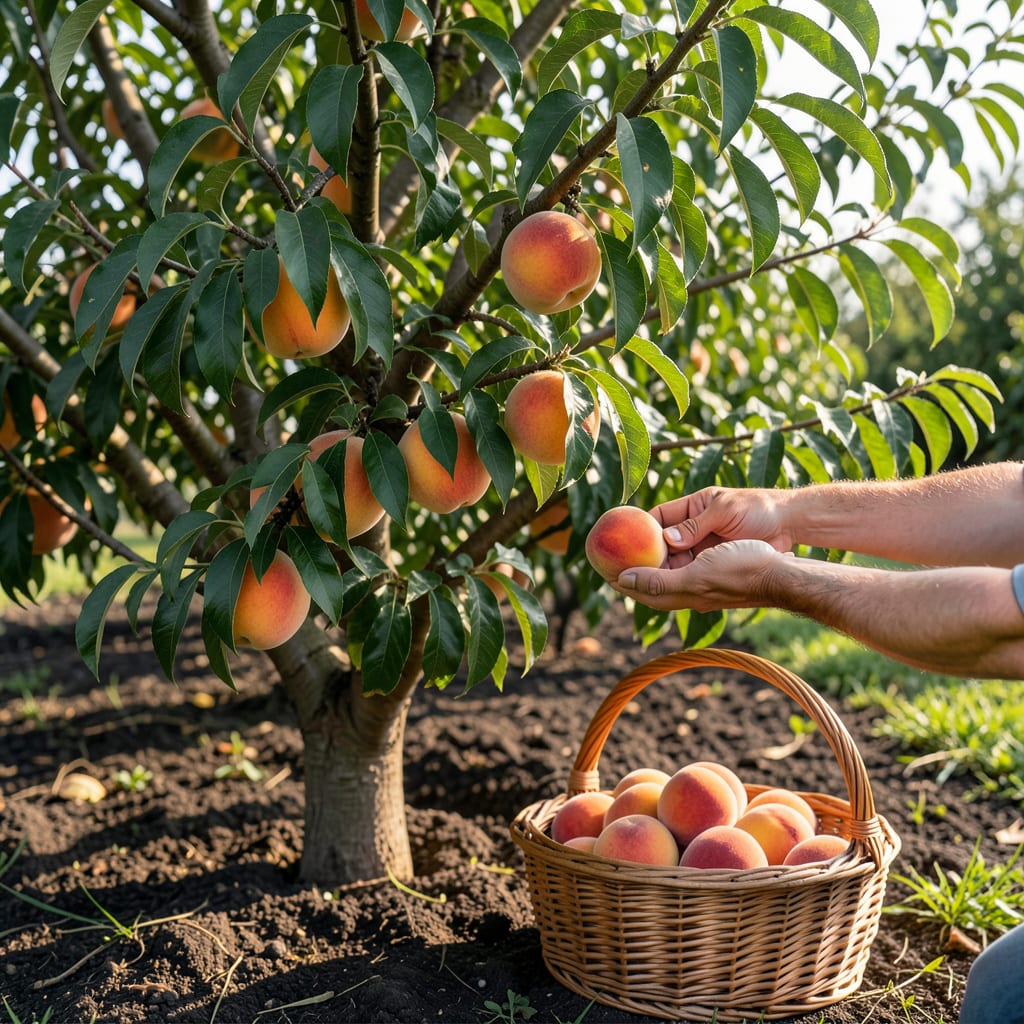
Nothing beats the taste of a sun-ripened 🍑 peach picked at its peak. But how do you know when it’s truly ready?
I’ll show you the simple signs to look for, from color changes to the easy twist of the stem. These tips will ensure every peach you harvest is perfectly ripe.


The stem twist test is my go-to method for checking peach ripeness. It works because the fruit naturally separates from the tree when fully mature. This simple technique prevents damage to both the peach and the branch.
As peaches ripen, they produce ethylene gas, which triggers the separation layer between the stem and branch to form. This makes the stem easier to detach when twisted gently.
I’ve found that early morning is the best time to perform this test. The fruit is cooler and firmer, making it easier to handle without bruising. Plus, the ethylene production is at its peak.
Remember, not all peaches on the tree will ripen at the same time. Check multiple fruits on different branches, as sun exposure can affect ripening. Peaches on the south side of the tree often mature first.
The stem twist test is particularly reliable for freestone peaches, which separate easily from the pit when ripe. For clingstone varieties, you might need to combine this test with other ripeness indicators.
One common mistake I see is twisting too hard. If the peach doesn’t come off with a gentle twist, it’s not ready. Forcing it can damage the fruit and the tree. Patience is key when waiting for that perfect twist.
For the most accurate results, I recommend performing the stem twist test on several peaches from different parts of the tree. This gives you a better overall sense of whether your crop is ready for harvest.
The stem twist method works best when combined with other ripeness signs. Look for full color development, a sweet aroma at the stem, and slight softness when gently pressed. These signs together confirm your peaches are ready.
With practice, you’ll develop a feel for the perfect twist. I’ve been using this method for years, and it rarely lets me down when harvesting my homegrown peaches ☀️
While the stem twist test is reliable, I always check color and texture too. Different peach varieties show ripeness differently, but all develop richer hues as they mature on the tree.
For yellow peaches, look for a deep golden color replacing green. White peaches turn creamier, while red varieties develop a deeper blush. The background color near the stem is the most telling sign.
| Ripeness Sign | Underripe | Perfectly Ripe | Overripe |
|---|---|---|---|
| Color | Green background | Full yellow/creamy | Dull or brownish |
| Firmness | Hard as a rock | Slight give | Very soft |
| Aroma | No smell | Sweet at stem | Fermented |
The skin texture also changes as peaches ripen. Underripe fruits often have a slightly fuzzy feel, while ripe ones develop a smoother surface. This is most noticeable in freestone varieties.
I always recommend the gentle squeeze test. Hold the peach in your palm and apply light pressure with your fingers. A ripe peach will yield slightly but not feel mushy.
Remember that sun exposure affects color development. Peaches on the south side of the tree may show color changes earlier than those in shadier spots. Always check multiple fruits.
For the most accurate assessment, combine these visual and tactile cues with the stem twist test. When all signs point to ripeness, your peaches are ready to harvest and enjoy 🌳
Even experienced gardeners can misjudge peach ripeness. I’ve seen many harvest too early because they rely solely on color. Remember, some varieties stay partially green even when ripe, especially near the stem.
Another common error is ignoring tree position. Peaches on the sunny south side often ripen days before those in shade. Always check fruits from all sides of the tree before deciding to harvest.
Picking based on size alone can lead to underripe fruit. Always combine multiple ripeness tests for best results. Early morning harvesting helps prevent bruising of soft, ripe peaches.
Weather can trick you too. After rainy periods, peaches may appear more colorful but aren’t necessarily ripe. The ethylene gas that triggers ripening needs consistent warm weather to work properly.
Many gardeners overlook the aroma test. A ripe peach will have a sweet, fragrant smell at the stem end. If you can’t smell anything, it’s likely not ready, no matter how pretty it looks.
Finally, don’t assume all fruits on one branch are ready simultaneously. Check individual peaches as they may ripen at slightly different times, even on the same branch. Patience pays off with the perfect harvest 🌳
Check the color near the stem first. A ripe peach will have full color development with no green. Also, give it a gentle sniff at the stem end – a sweet aroma means it’s ready.
Sun exposure makes a big difference. Peaches on the south side get more warmth and ripen first. Also, fruits closer to the trunk often mature sooner than those on branch tips.
Peaches don’t ripen well off the tree. They need the tree’s nutrients and sunlight to develop proper sweetness. Picked early, they’ll stay hard and mealy. Always let them ripen naturally.
Early morning is ideal. The fruit is cooler and firmer, making it easier to handle without bruising. Plus, you’ll avoid the heat of the day.
