
Beautiful Plants For Your Interior
Beautiful Plants For Your Interior
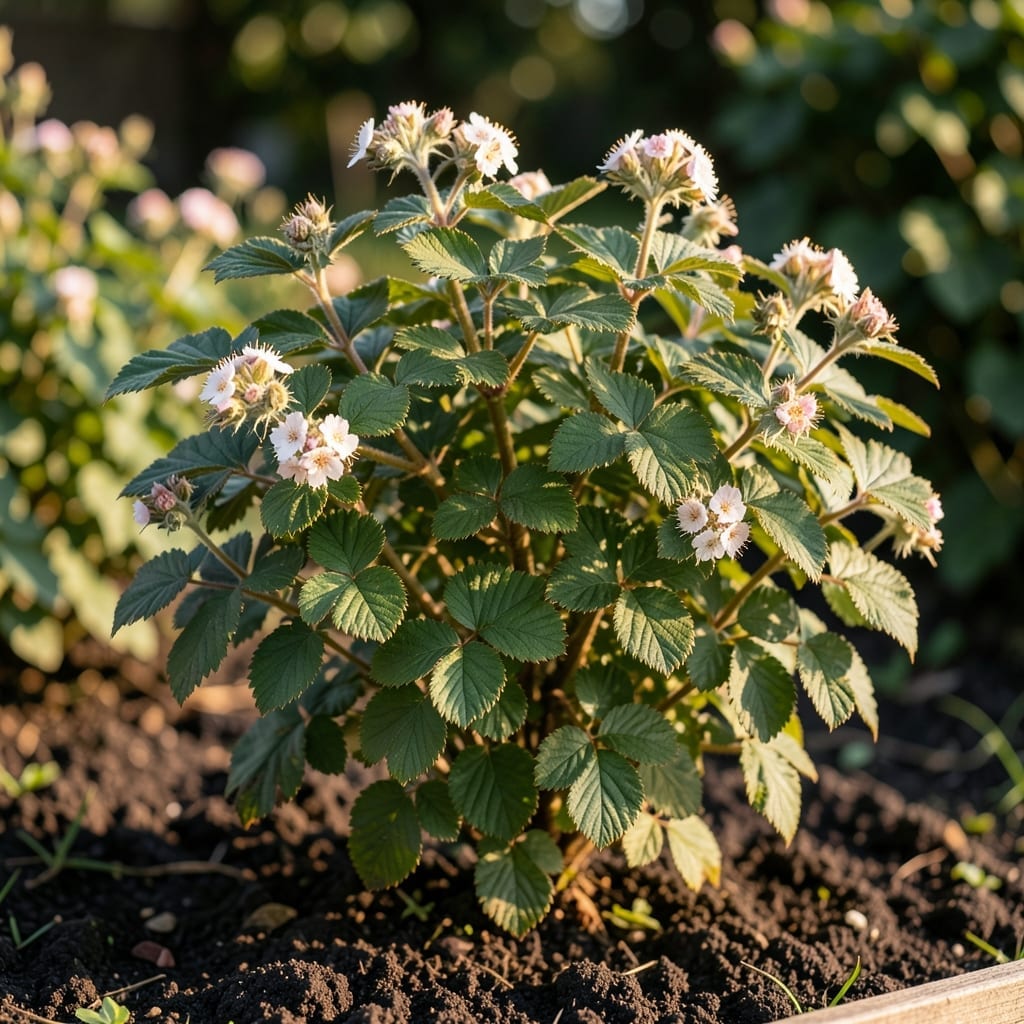
Watching your Blackberry 🫐 bushes burst into bloom is one of the most exciting moments for gardeners. It signals that juicy berries are on the way.
But timing varies by climate, variety, and care—so when exactly can you expect those delicate white or pink flowers to appear? I’ll walk you through the key factors.
Whether you’re in USDA zones 5-10 or just starting out, understanding this timing helps you plan. The right knowledge ensures a bountiful harvest.
Discover how to align your gardening efforts with nature’s schedule for the best results. Let’s dive in and make this season your most productive yet.
If you’re eager to see your blackberry bushes in full bloom, timing depends on several key factors. In most regions, you can expect white or pink flowers to appear in late spring to early summer. The exact window shifts based on your climate and the variety you’re growing.
For gardeners in warmer zones like USDA 8-10, blooms often start as early as April. Cooler areas in zones 5-7 typically see flowers in May or June. Even the type of blackberry—erect or trailing—can influence when those first buds open.
| Variety | Bloom Time | USDA Zones |
|---|---|---|
| Erect Blackberries | Late May to June | 5-8 |
| Trailing Blackberries | April to May | 7-10 |
| Prime-Ark Freedom | Early May | 5-9 |
| Ouachita | Late May | 6-8 |
I’ve noticed that trailing varieties like Boysenberry or Loganberry tend to bloom 2-3 weeks earlier than their erect cousins. This is because they’re often bred for milder climates where spring arrives sooner.
In the Pacific Northwest, where cool, maritime climates dominate, blackberries may bloom as late as June. Meanwhile, in the Southeast, with its longer growing season, you might see flowers as early as March in unusually warm years.
Another factor is microclimates within your garden. A south-facing slope or a spot near a heat-retaining wall can accelerate blooming by 1-2 weeks. I always recommend observing your specific garden conditions to fine-tune expectations.
For first-year plants, don’t expect a full bloom. Most blackberries focus on establishing roots in their first season. By year two, you’ll typically see a stronger flower display and a more abundant harvest.
If you’re in a region with late frosts, keep an eye on the forecast. A sudden cold snap can damage tender blooms. I’ve learned to cover my bushes with frost cloth if temperatures dip below 28°F during bloom time.
Finally, soil temperature plays a role. Blackberries prefer soil temps above 60°F to trigger blooming. In cooler climates, using black plastic mulch can help warm the soil and encourage earlier flowers.
By understanding these regional and variety-specific patterns, you can better predict when your blackberries will burst into bloom and plan your garden care accordingly. 🌿
If you’re wondering when does blackberry bloom, I’ve found that proper pruning is key. I always remove old canes right after harvest to make way for new growth that will flower next season. This keeps the plant energized and focused on producing blooms.
For the best results, I ensure my blackberries get full sun—at least 6 hours daily. Without enough light, the plant may delay blooming or produce fewer flowers. A sunny spot also helps the soil warm up faster in spring, which can encourage earlier blooms.
I also pay close attention to soil conditions. Blackberries thrive in well-draining soil with a pH of 5.5–6.5. If your soil is too compacted or waterlogged, the roots can’t access the nutrients they need to support blooming. I always amend heavy clay with compost before planting.
Another trick I use is protecting the plants from late frosts. A sudden cold snap can damage emerging buds. I keep frost cloth on hand for unexpected dips in temperature, especially in early spring when buds are just forming.
Finally, I’ve noticed that consistent watering during the growing season leads to more abundant blooms. I aim for 1–2 inches of water per week, either from rain or irrigation. Drought stress can cause the plant to drop buds before they open.
With these simple steps, I’ve seen my blackberry bushes produce more flowers and, ultimately, a bigger harvest. It’s all about giving them the right conditions to thrive. ☀️