
Beautiful Plants For Your Interior
Beautiful Plants For Your Interior
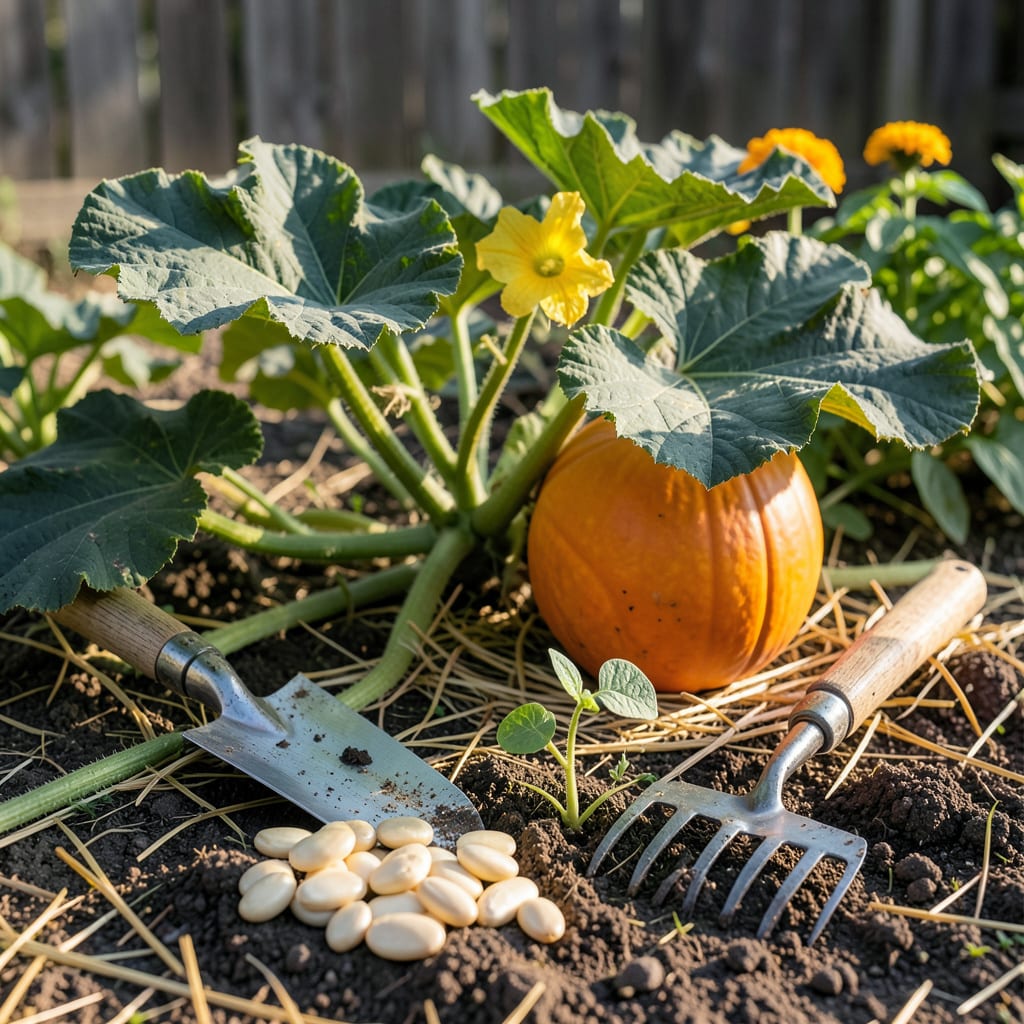
Timing your pumpkin planting in Texas can mean the difference between a bountiful harvest and a disappointing patch. The Lone Star State’s unpredictable weather—from late frosts to scorching summers—makes nailing that perfect window critical.
I’ve seen gardeners struggle with wilted vines or stunted 🎃 because they planted too early or too late. But here’s the good news: with the right schedule tailored to your Texas zone, you can grow pumpkins that thrive. Let’s break down exactly when to get those seeds in the ground for a fall harvest you’ll be proud of.
If you’re dreaming of carving homegrown jack-o’-lanterns or baking pumpkin pies with fruit from your garden, timing is everything in Texas. Our state’s massive size means planting dates vary dramatically—what works in Amarillo (Zone 7) won’t fly in Brownsville (Zone 10). The secret? Soil temperature and frost dates.
I always tell Texas gardeners to wait until soil hits 70°F—pumpkin seeds rot in cold ground. North Texas can plant as early as mid-April, while Coastal Bend gardeners might wait until early July for their second crop. Let’s break down the perfect windows for your zone.
| USDA Zone | Texas Regions | Planting Window | Last Frost Date | Days to Harvest |
|---|---|---|---|---|
| 7a-7b | Panhandle, Amarillo | April 15 – June 15 | April 10 | 90-120 |
| 8a-8b | Dallas, Fort Worth, Austin | March 25 – July 1 | March 15 | 85-110 |
| 9a-9b | Houston, San Antonio, Corpus Christi | Feb 15 – July 15 | February 15 | 75-100 |
| 10a-10b | Rio Grande Valley, Brownsville | Jan 15 – Aug 1 | January 30 | 70-95 |
💡 Pro Tip: For fall pumpkins, count backward from Halloween (Oct 31) and add your variety’s days-to-maturity. In Zone 9, plant by July 15 for October harvests.
In North Texas (Zones 7-8), I recommend starting seeds indoors 3 weeks before your last frost date. This gives you a head start on our unpredictable spring weather. Use biodegradable pots to avoid transplant shock—pumpkins hate root disturbance.
Central Texas gardeners (Zone 8b) have a golden window from late March through early July. My Austin friends swear by planting ‘Cinderella’ pumpkins in early April for Halloween-ready fruit. The key? Drip irrigation to combat our May heat waves.
Down in South Texas (Zones 9-10), you can plant pumpkins twice a year—once in late winter for spring harvests and again in early summer for fall. I’ve seen Brownsville gardeners grow ‘Texas Gourd’ varieties that thrive in 100°F heat with proper mulching.
No matter your zone, always check soil temperature with a thermometer. Pumpkin seeds need 70°F minimum to germinate. In clay-heavy soils (common in DFW), mix in compost and sand to improve drainage before planting.
For those chasing giant pumpkins, start seeds indoors in 12-inch pots by March 1. Transplant when seedlings have 2-3 true leaves and soil temps stay above 75°F. Remember: giants need 150+ days, so Zone 7 growers should prioritize faster varieties.
Watch for squash vine borers—they’re pumpkin killers in Texas. I wrap aluminum foil around stems at soil level when plants are young. For organic control, release beneficial nematodes in early June before borers lay eggs.
Finally, don’t forget about succession planting. In Zone 9, I plant a new batch every 3 weeks from March to July. This staggers harvests and ensures I have pumpkins for both decorating and cooking through November.
Even with perfect timing, Texas gardeners often sabotage their pumpkin crops without realizing it. I’ve seen healthy seedlings wilt overnight and promising vines collapse—all from preventable mistakes. The good news? These common pitfalls have simple fixes once you know what to watch for.
The biggest offender? Ignoring Texas soil conditions. Our clay-heavy ground in DFW or rocky caliche in Hill Country can choke pumpkin roots. I always recommend amending beds with 3 inches of compost and testing drainage before planting. If water pools after a rain, you’ll need raised beds or mounds.
Mistake 1: Planting in unamended clay soil → Solution: Mix in 50% compost and 20% sand for drainage.
Mistake 2: Overwatering in humid zones → Solution: Use drip irrigation on timers (1″ per week max).
Mistake 3: Skipping pest prevention → Solution: Wrap stems with aluminum foil at planting to deter borers.
💡 Bonus Tip: In Zone 9+, plant ‘Cinderella’ or ‘Texas Gourd’ varieties—they handle heat better than traditional jack-o’-lantern types.
Another silent crop killer? Misjudging Texas monsoon season. While North Texas faces occasional droughts, Houston gardeners battle fungal diseases from July rains. I combat this by planting on 18-inch mounds and using straw mulch to keep leaves dry. Always water at soil level—never overhead.
The third critical error involves pest management timing. Squash vine borers emerge in late May through June in most zones. I mark my calendar to apply beneficial nematodes two weeks before this window. For organic growers, yellow sticky traps catch adult borers before they lay eggs.
Many Texas gardeners also underestimate heat stress on pollination. When temps exceed 90°F, pumpkin flowers often drop without fruiting. My solution? Plant near a water source for afternoon misting and add shade cloth during peak heat (1-4 PM). Hand-pollinating with a paintbrush can boost yields by 30%.
Finally, don’t overlook succession planting opportunities. In Zone 8b (Austin/San Antonio), I plant fast-maturing varieties like ‘Jack Be Little’ in late July for a second harvest. These 70-day pumpkins mature just as fall arrives, extending your season without heat stress.
Remember: Texas pumpkins need consistent moisture but hate wet feet. I check soil daily in summer—if the top inch is dry, it’s time to water. Use a moisture meter if you’re unsure. With these adjustments, you’ll avoid the mistakes that trip up most Texas pumpkin growers. 🎃
Not all pumpkins thrive in Texas heat, and choosing the wrong variety can mean wasted months of care. I’ve tested dozens of types across our state’s zones, and the differences are striking. Whether you want quick-harvest mini pumpkins or show-stopping giants, Texas demands heat-tolerant varieties with specific growing windows.
For fast-maturing pumpkins (70-90 days), I recommend ‘Cinderella’ (also called Rouge Vif d’Etampes) for its heat resistance and unique shape. These French heirlooms handle Zone 9 summers better than traditional jack-o’-lantern types. Another winner? ‘Jack Be Little’—perfect for small spaces and ready in just 85 days.
| Variety | Days to Maturity | Heat Tolerance | Best For | Avg. Weight |
|---|---|---|---|---|
| Cinderella | 90-100 | ⭐⭐⭐⭐⭐ | Decorating, cooking | 10-15 lbs |
| Texas Gourd | 80-90 | ⭐⭐⭐⭐⭐ | Drought areas | 5-8 lbs |
| Howden | 100-110 | ⭐⭐⭐⭐ | Classic jack-o’-lanterns | 15-25 lbs |
| Dill’s Atlantic | 120-130 | ⭐⭐⭐ | Giant pumpkins | 100-200 lbs |
💡 Zone Tip: In Zones 9-10, stick to varieties under 100 days. For Zones 7-8, you can try longer-season giants if planted by April 1.
For giant pumpkin enthusiasts, ‘Dill’s Atlantic Giant’ is the gold standard, but Texas heat makes them tricky. I’ve had best success in North Texas (Zone 8) by planting in early April and using shade cloth during July’s peak heat. These monsters need 150+ days, so they’re only viable in cooler zones.
Urban gardeners with limited space should try ‘Wee-B-Little’ or ‘Munchkin’ varieties. These compact plants produce 1-3 lb pumpkins on 4-foot vines—perfect for containers. I’ve grown them successfully on my Austin patio using 15-gallon fabric pots with trellises for vertical growth.
For drought-prone areas like West Texas, ‘Texas Gourd’ is my top pick. This native variety thrives with minimal water and resists powdery mildew. In Lubbock, I’ve seen them produce even when rainfall drops below 10 inches annually. Pair with soaker hoses and 4 inches of mulch for best results.
Remember: variety selection directly impacts your planting timeline. Fast-maturing types can go in as late as July 15 in Zone 9, while giants need April 1 starts in Zone 8. Always check your variety’s days-to-maturity and count backward from your desired harvest date. 🎃
Pumpkin seeds need soil that’s at least 70°F to germinate properly. In Texas, this typically means waiting until mid-April for North Texas and early February for South Texas. Use a soil thermometer to check before planting.
Yes, but choose compact varieties like ‘Wee-B-Little’ or ‘Munchkin’. Use 15-gallon containers with drainage holes and a trellis for vertical growth. Texas heat dries containers quickly, so daily watering may be needed.
Use shade cloth during peak afternoon hours (1-4 PM) and maintain 4 inches of mulch to retain moisture. Drip irrigation works better than overhead watering in our climate. In extreme heat, mist plants lightly in early morning.
In Zone 9 (Houston/San Antonio), plant by July 15 for October harvests. For Zone 8 (Dallas/Austin), aim for June 30 latest. Choose fast-maturing varieties like ‘Cinderella’ (90 days) for best results.
Wrap stems with aluminum foil at soil level when plants are young. Apply beneficial nematodes in early June before borers lay eggs. Yellow sticky traps can catch adult borers before they damage your plants.
