
Beautiful Plants For Your Interior
Beautiful Plants For Your Interior
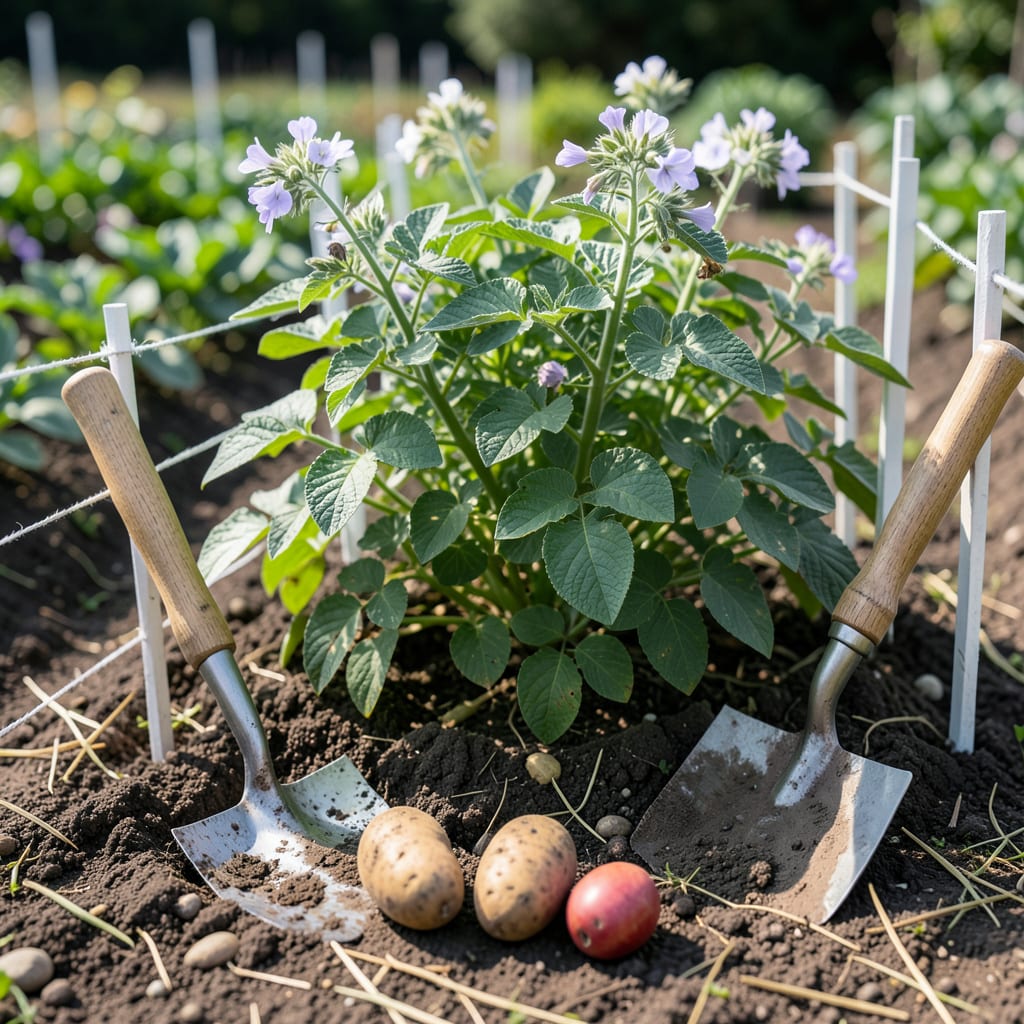
Timing your potato planting in South Carolina can mean the difference between a bountiful harvest and a disappointing yield. The Palmetto State’s diverse climate—from the cooler Upstate to the warmer Lowcountry—demands precise planning to avoid frost damage or heat stress.
I’ll break down the best planting windows for your region, sharing exactly when to get those 🥔 in the ground for maximum success. Whether you’re in Charleston or Greenville, you’ll learn how to work with your local conditions for a thriving potato patch.
If you’re wondering when to plant potatoes in South Carolina, the answer depends entirely on where you live. Our state’s diverse climate—ranging from the cooler Upstate to the warmer Lowcountry—means planting windows vary by weeks. Get it right, and you’ll enjoy a bountiful harvest of homegrown spuds.
The golden rule for potatoes is soil temperature. You want it consistently above 50°F, but not too hot. Plant too early, and a late frost could damage sprouts. Wait too long, and summer heat will stress your plants. Let’s break down the ideal timing for your region.
| Region | USDA Zones | Planting Window | Last Frost Date | Variety Tip |
|---|---|---|---|---|
| Upstate (Piedmont) | 7a-8a | Mid-March to early April | April 15 | Try Yukon Gold for cooler soil |
| Midlands | 8a-8b | Late February to mid-March | March 25 | Red LaSoda thrives here |
| Lowcountry (Coastal) | 8b-9a | Early February to early March | February 20 | Heat-tolerant Kennebec works best |
💡 Pro Tip: Use a soil thermometer to check temps at 4″ depth before planting.
In the Upstate region, I recommend waiting until soil reaches 50°F—usually around St. Patrick’s Day. This gives you a buffer against late frosts while ensuring your seed potatoes don’t rot in cold, wet ground. If you’re eager, start chitting (pre-sprouting) indoors 4 weeks before planting.
Down in the Lowcountry, you’ve got a longer growing season, but humidity and heat become your biggest challenges. Plant by early March to avoid summer’s worst. I’ve found mulching heavily with straw helps keep soil cooler and retains moisture during those hot spells.
For mid-season varieties, aim to plant about 120 days before your area’s typical first frost. In Columbia, that’s around late September, while Charleston gardeners can push it to early October. Always check your local frost dates for precision.
Remember, potato varieties matter. Early types like ‘Norland’ mature in 70-90 days, perfect for Upstate’s shorter season. In the Lowcountry, you can experiment with late-season varieties like ‘German Butterball’ that need 110+ days but reward you with richer flavor.
I always tell my gardening friends: when in doubt, plant in stages. Put in a few seed potatoes every 2 weeks from your region’s start date. This staggered approach hedges against weather surprises and extends your harvest window. You’ll be digging up fresh potatoes from late May through July!
Don’t forget soil preparation—potatoes thrive in loose, well-draining soil with plenty of organic matter. I mix in aged compost and a bit of sand to prevent tubers from becoming misshapen. A pH between 5.0-6.5 is ideal; test your soil if you’re unsure.
For those in urban areas with limited space, potatoes grow wonderfully in containers or grow bags. Just ensure they get 6+ hours of sun daily and maintain consistent moisture. I’ve had great success with 5-gallon buckets—just drill drainage holes and plant 2-3 seed potatoes per container.
Even experienced gardeners can sabotage their potato crop with simple timing errors. In South Carolina’s unpredictable climate, three common mistakes consistently reduce yields. I’ve seen firsthand how these errors turn promising plants into disappointing harvests—often before the tubers even form.
First, ignoring soil temperature is the fastest way to fail. Many gardeners plant by calendar dates alone, but 50°F soil is non-negotiable. I’ve lost entire crops to rotting seed potatoes in cold, wet ground. Always use a soil thermometer at 4″ depth before planting.
💡 Quick Fix: Cover new plants with frost cloth if cold snaps threaten after planting.
The second critical error is misjudging frost dates. I’ve talked to Upstate gardeners who planted in early March, only to lose everything to a late April frost. Always check your local frost data—Columbia’s last frost averages March 25, while Greenville often sees frosts until April 15.
Third, planting too late dooms your harvest to heat stress. Potatoes stop forming tubers when soil temps hit 80°F+. In the Lowcountry, that can happen by May! I recommend early February planting for coastal areas and mid-March for the Upstate to beat the heat.
Another silent killer is compacted soil. Our clay-heavy soils suffocate developing tubers. I always amend beds with 3 inches of compost and 1 inch of sand to improve drainage. For containers, use a 50/50 mix of potting soil and compost—never garden soil alone.
Finally, watering inconsistencies cause cracked tubers and blossom-end rot. Aim for 1-2 inches weekly, tapering off as harvest nears. I use drip irrigation on a timer to maintain even moisture. Remember: potatoes need consistent moisture, not soggy soil.
By avoiding these mistakes, you’ll see larger yields and healthier plants. The key is matching your planting date to your specific microclimate—whether that’s the sandy soils of Hilton Head or the clay ridges of Spartanburg. When in doubt, plant early varieties first as a test crop.
Choosing the right potato variety can make or break your South Carolina harvest. Our humid climate and variable temperatures demand varieties that can handle both early spring chills and summer heatwaves. After testing dozens of types, I’ve found these perform best in our state.
The secret is matching varieties to your specific region. Upstate gardeners need cold-tolerant types that mature quickly, while Lowcountry growers should focus on heat-resistant varieties that won’t shut down when temperatures climb. Let’s look at the top performers.
For Upstate gardeners, I consistently recommend Yukon Gold as your go-to variety. Its cold tolerance and quick maturation (70-90 days) make it perfect for our shorter season. The buttery flavor is an added bonus that makes it worth growing year after year.
In the Midlands region, Red LaSoda shines with its heat resistance and excellent storage qualities. This variety handles our humid summers better than most, and the red skin adds beautiful color to your harvest. I’ve stored these successfully for 3+ months in cool conditions.
Down in the Lowcountry, Kennebec potatoes are my top pick. Their ability to tolerate heat while maintaining good size and flavor makes them ideal for coastal areas. They also resist common diseases like early blight, which can be problematic in our humid climate.
For gardeners wanting to extend their harvest, try planting Norland (early) alongside German Butterball (late). This combination gives you potatoes from late spring through summer. Just remember that late varieties need consistent moisture as temperatures rise.
No matter which variety you choose, always rotate your crops annually to prevent disease buildup. I recommend a 3-year rotation plan: potatoes one year, legumes the next, then brassicas. This simple practice has dramatically reduced my issues with potato scab and other soil-borne problems.
In South Carolina, aim to finish planting by early April in the Upstate and mid-March in the Lowcountry. Planting later risks exposing young plants to 80°F+ soil temps, which stops tuber formation. For late plantings, choose fast-maturing varieties like ‘Norland’ (70 days).
Containers work beautifully for our climate. Use 5-gallon buckets or grow bags with drainage holes. Plant 2-3 seed potatoes per container in a 50/50 mix of potting soil and compost. Place in full sun and water daily during summer. This method also helps avoid soil-borne diseases common in our humid climate.
Cover plants with frost cloth (not plastic) when temps dip below 32°F. Secure the cloth with stakes or bricks, but remove it during the day to prevent overheating. For extra protection, mound 6 inches of straw around emerging shoots. Upstate gardeners should keep covers handy until mid-April.
Use a soil thermometer at 4-inch depth—you want consistent 50°F+ readings. In the Lowcountry, this typically happens by early February; Upstate soils warm up around mid-March. A quick test: If bare feet feel chilly on the soil, it’s still too cold for potatoes.
Improve drainage by amending soil with 3 inches of compost and 1 inch of sand. Plant in raised beds or mounds to prevent waterlogging. Space plants 12-15 inches apart for airflow, and mulch with straw to suppress fungal spores. Rotate crops annually to avoid disease buildup in our moist climate.
