
Beautiful Plants For Your Interior
Beautiful Plants For Your Interior
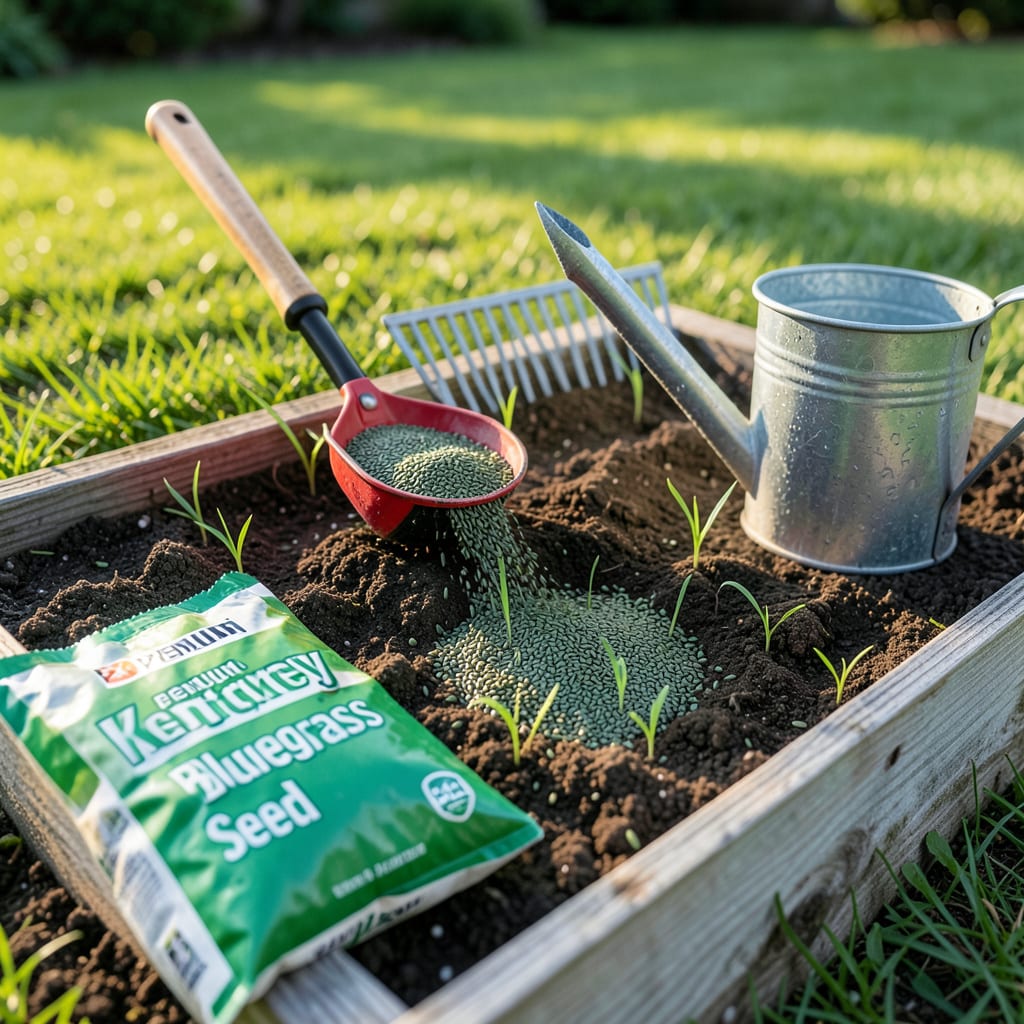
That perfect lawn doesn’t happen by accident—it starts with one critical decision: when to plant your grass seed in spring. Plant too early, and frost could wipe out your efforts. Wait too long, and summer heat might scorch those tender sprouts before they even take root.
After years of testing (and a few failed attempts), I’ve learned it’s not just about the calendar—it’s about soil temperature and timing. If you’re in USDA Zone 6, I’ll show you exactly how to nail that sweet spot for lush, resilient ✂️ grass that thrives all season.
If you’re wondering when to plant grass seed in spring, the answer isn’t just about the calendar—it’s about soil temperature and your grass type. Cool-season grasses like Kentucky Bluegrass and Fescue thrive when soil hits 50°F–65°F, while warm-season varieties need 70°F+.
Your USDA zone plays a huge role too. In the Northeast, early April is ideal, while Southern states can start as early as late February. Always check your last frost date—planting 2–3 weeks after ensures frost won’t kill tender sprouts.
| Grass Type | Ideal Soil Temp | Best Regions | Planting Window |
|---|---|---|---|
| Kentucky Bluegrass | 50°F–65°F | Northeast, Midwest | Early April–May |
| Tall Fescue | 50°F–65°F | Transition Zone | March–April |
| Bermuda Grass | 70°F+ | South, Southwest | Late April–June |
| Zoysia Grass | 70°F+ | Southeast, Mid-Atlantic | May–June |
For cool-season grasses, aim to plant 6–8 weeks before summer heat arrives. This gives roots time to establish. In the Pacific Northwest, March planting works well, while Midwest gardeners should wait until mid-April when soil warms consistently.
Warm-season grasses like Bermuda or St. Augustine need patience—wait until nighttime temps stay above 60°F. Planting too early in Texas or Florida risks frost damage, while delaying in Arizona means battling summer drought.
Not sure about your soil temp? Grab a $10 soil thermometer from your local garden center. Stick it 2–3 inches deep at 9 AM for the most accurate reading. If it’s below 50°F, hold off—cold soil slows germination and invites fungal diseases.
Microclimates matter too! South-facing yards warm faster than shady north sides. If your lawn has patchy sunlight, opt for shade-tolerant grasses like Fine Fescue and plant 2 weeks later than full-sun areas.
Pro tip: Check your local frost dates on the USDA Plant Hardiness Zone Map. For example, Chicago (Zone 5) should wait until mid-April, while Atlanta (Zone 8) can start in early March. When in doubt, delay by a week—late planting beats frost risk.
If you’re overseeding a thin lawn, early spring (March) works for cool-season grasses, but avoid overseeding warm-season lawns until late spring. Mixing seed types? Stick to the later planting window to match the slowest-germinating variety.
Remember, consistent moisture is key after planting. Plan to water lightly daily for the first 2 weeks, then taper to deep weekly watering. Use a light mulch (like straw) to retain moisture but avoid smothering seeds—just ¼ inch is plenty.
Still unsure? When your forsythia bushes bloom, soil temps are usually perfect for cool-season grasses. For warm-season types, wait until dogwoods finish flowering. Nature’s cues are often more reliable than the calendar! 🌱
Before you scatter a single seed, your soil prep can make or break your lawn. I’ve seen too many gardeners skip this step, only to watch their grass seed wash away or refuse to sprout. The key? Focus on temperature, texture, and nutrients.
First, grab a soil thermometer—this $10 tool is your best friend. Cool-season grasses need 50°F–65°F at 2-inch depth, while warm-season types demand 70°F+. Test in the morning for accuracy, and avoid planting if temps dip below 50°F overnight.
Next, clear debris and rake vigorously to create a fine, crumbly seedbed. Remove rocks larger than a golf ball and break up clods bigger than a marble. I like using a bow rake for this—it’s tedious but prevents uneven germination.
Don’t forget to level low spots with a mix of topsoil and compost. Fill depressions deeper than ½ inch to avoid puddles. For slopes, consider terracing or a light mulch (like straw) to prevent erosion. Pro tip: Water the area 24 hours before planting to settle the soil.
If your lawn has thatch over ½ inch thick, rent a dethatcher ($50/day) before aerating. Thick thatch blocks water and nutrients, suffocating new seeds. For weedy areas, apply a pre-emergent herbicide 4–6 weeks before planting—but never use weed-and-feed products with seed.
Finally, choose the right seed for your conditions. Shady spots? Fine Fescue thrives with just 4 hours of sun. High-traffic areas? Tall Fescue or Perennial Ryegrass handle foot traffic better. Always check the label for germination rates—aim for 85%+ purity.
After planting, water lightly daily for 10–14 days to keep soil moist but not soggy. Use a mist setting on your sprinkler to avoid washing seeds away. Once sprouts reach 2 inches tall, switch to deep, infrequent watering (1 inch per week) to encourage deep roots. 🌱
Planting grass seed at the wrong time can turn your lawn dreams into a patchy nightmare. I’ve seen it happen—frost-damaged sprouts from early planting or scorched seedlings from late starts. Timing isn’t just about growth; it’s about survival.
If you plant too early (soil below 50°F), seeds may rot in cold, wet soil or germinate too slowly, leaving them vulnerable to fungal diseases like damping-off. In the Northeast, a late frost can wipe out tender sprouts overnight.
Planting too late (after June 1 in most zones) means seedlings face summer heat before roots develop. In Zone 6, late-planted grass often burns out by July, leaving bare spots. Warm-season grasses planted late struggle to establish before winter dormancy.
If you’ve already mistimed your planting, don’t panic. For early planting, cover seeds with straw mulch to insulate against frost. For late planting, use shade cloth to protect sprouts and water twice daily during heatwaves. Overseeding in early fall can also salvage a thin lawn.
Watch for warning signs: yellowing sprouts (overwatering or frost), patchy germination (uneven soil prep), or mushy seeds (rot). If less than 50% of seeds sprout within 21 days, consider replanting with a fast-germinating mix like perennial ryegrass.
Remember, cool-season grasses (like fescue) planted late may need extra winter protection—apply a light compost top-dressing in November. Warm-season grasses planted early might require fungicide to prevent pythium blight in damp springs. When in doubt, test a small area first! 🌱
Use a soil thermometer to check temps at 2-inch depth in the morning. Cool-season grasses need 50°F–65°F, while warm-season types require 70°F+. If it’s below 50°F, wait—cold soil slows growth.
Avoid planting until 2–3 weeks after your last frost date. Frost can kill tender sprouts, especially in cool-season grasses. If you must plant early, cover seeds with straw mulch for insulation.
Opt for shade-tolerant grasses like Fine Fescue or Creeping Red Fescue. They thrive with just 4 hours of sun daily. Plant 2 weeks later than full-sun areas to match slower growth.
Water lightly daily for the first 2 weeks to keep soil moist. After sprouts reach 2 inches, switch to deep weekly watering (1 inch total). Use a mist setting to avoid washing seeds away.
If less than 50% germinates, check for overwatering, cold soil, or poor seed-soil contact. Replant with a fast-germinating mix like perennial ryegrass and ensure consistent moisture.
