
Beautiful Plants For Your Interior
Beautiful Plants For Your Interior
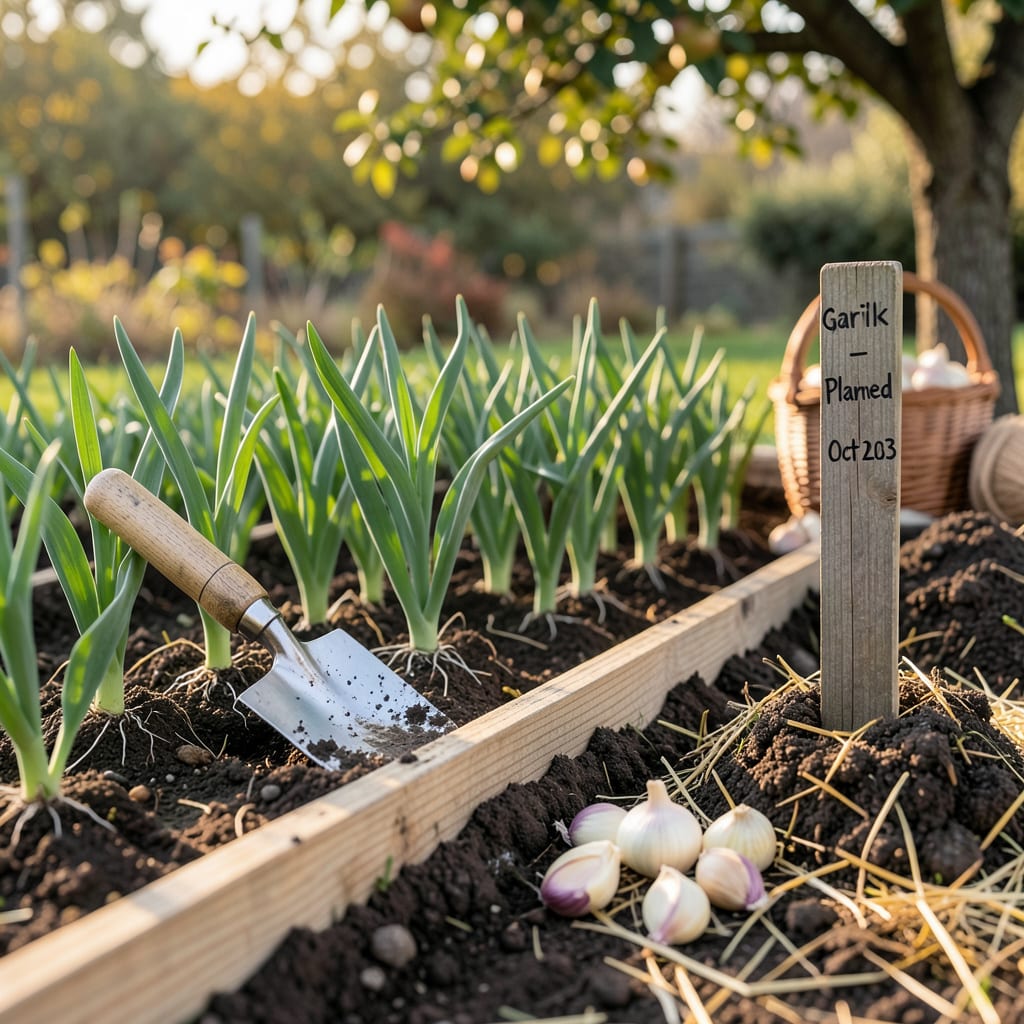
Want to grow giant garlic bulbs that’ll make your Oregon gardening friends jealous? Timing is everything—especially in our state’s unpredictable climate. Plant too early, and you risk rot; plant too late, and your 🧄 won’t have time to establish roots before winter.
After years of testing what works (and what doesn’t) in zones 7b-9a, I’ve nailed down the perfect fall window. Whether you’re in rainy Portland or the high desert of Bend, I’ll show you exactly when to get those cloves in the ground for next summer’s harvest.
If you want plump, flavorful garlic bulbs next summer, planting at the right time in Oregon is non-negotiable. Our state’s climate varies dramatically—from the wet, mild coast to the high desert east—so timing isn’t one-size-fits-all. The golden rule? Aim for 4-6 weeks before your first frost.
In most of Oregon, that means mid-October through early November is prime time. But if you’re gardening in Portland’s Willamette Valley or the coastal regions, you can push planting into late November thanks to milder winters. Eastern Oregon gardeners should wrap up by mid-October to beat harsh freezes.
| Region | Best Planting Window | First Frost Date | Recommended Varieties |
|---|---|---|---|
| Western OR (Willamette Valley, Coast) | Oct 15 – Nov 15 | Nov 15 – Dec 1 | Silverskin, Artichoke |
| Eastern OR (High Desert) | Sep 15 – Oct 15 | Oct 1 – Oct 15 | Rocambole, Purple Stripe |
| Southern OR (Medford, Ashland) | Oct 1 – Oct 31 | Oct 20 – Nov 10 | Creole, Turban |
Soil temp should be 50-60°F at planting for best root growth.
Why does timing matter so much? Garlic needs cool soil to develop strong roots before winter, but it can’t handle frozen ground. Plant too early, and cloves may sprout prematurely. Plant too late, and roots won’t establish before dormancy. I’ve seen bulb size shrink by 50% when timing is off by just 2 weeks!
For coastal gardeners, you can often plant as late as early December—just cover beds with 4-6 inches of mulch (straw or leaves) to protect from sudden cold snaps. In eastern Oregon, where winters are harsher, I recommend adding a thick layer of compost after planting to insulate cloves.
If you’re unsure about your exact frost dates, check the Oregon State University Extension website or use a soil thermometer—when temps hit 50°F at 2-inch depth, it’s go time. Pro tip: Hardneck varieties (like Rocambole) thrive in colder areas, while softnecks (Silverskin) prefer milder winters.
What if you miss the fall window? You can* plant in early spring (February-March), but expect smaller bulbs and less flavor. Spring-planted garlic lacks the vernalization period (cold exposure) needed for optimal bulb formation. I only recommend spring planting if you’re in Zone 9 (like Brookings) or had a unusually warm winter.
For Portland metro gardeners, I’ve had great success planting around Halloween. The soil stays workable longer, and our mild, wet winters mean less risk of freeze damage. Just avoid planting in soggy soil—wait a few days after heavy rain to prevent rot.
Remember: Garlic is a long-term investment. Those little cloves you plant in fall will spend 9 months in the ground. Give them the best start by nailing the timing, and you’ll be rewarded with jumbo bulbs that store well and pack serious flavor. Trust me, your future self will thank you when you’re pulling up softball-sized heads next July! 🌱
Still unsure? Here’s my foolproof test: If you can comfortably work the soil with your bare hands (no gloves needed), and the 10-day forecast shows no hard freezes, it’s safe to plant. When in doubt, err earlier—garlic handles cold better than heat stress in spring. 🪴
Even experienced gardeners can sabotage their garlic crop with simple oversights. I’ve seen entire beds fail because of avoidable errors—especially in Oregon’s finicky climate. The good news? Most mistakes are easy to fix once you know what to watch for. Let’s tackle the top 5 garlic-killers I encounter most often.
First up: Planting at the wrong depth. Garlic cloves need to be 2 inches deep, with the pointy end up. Too shallow, and they’ll heave out of the soil during freeze-thaw cycles. Too deep, and they’ll struggle to sprout. I use a planting stick marked at 2 inches to keep it consistent. In heavy clay soils (common in the Willamette Valley), go slightly shallower—1.5 inches max—to prevent rot.
Fix these, and you’ll double your harvest!
Another biggie: Using the wrong fertilizer. Garlic is a heavy phosphorus feeder, but many Oregon gardeners overdo nitrogen. I recommend a 5-10-10 blend at planting, then a light fish emulsion in early spring. Avoid fresh manure—it’s too hot and can burn cloves. In eastern Oregon’s alkaline soils, add kelp meal for micronutrients.
Let’s talk about watering blunders. Our wet winters mean most Oregon garlic gets too much water, not too little. I stop watering entirely by late November and don’t resume until March unless we have an unusually dry spell. The exception? If you’re in central/southern Oregon (like Bend or Medford), where winters are drier—check soil moisture monthly and water lightly if the top 2 inches are bone-dry.
Here’s a mistake I see even in community gardens: Crowding cloves. Each clove needs 6 inches of space in all directions. Yes, that means fewer plants, but you’ll get bulbs 2-3x larger. In raised beds, I plant in a grid pattern (6″ apart each way) for maximum yield. If you’re tight on space, try interplanting with lettuce—it’ll be harvested before garlic needs the room.
Finally, don’t ignore pest pressure. Oregon’s damp springs invite onion maggots and white rot. I prevent both by rotating beds (never plant garlic where alliums grew last year) and sprinkling diatomaceous earth around plants in early spring. If you see yellowing leaves in May, that’s often rust fungus—remove infected plants immediately and increase airflow.
Remember: Garlic is forgiving but not indestructible. The difference between a golf-ball-sized bulb and a softball-sized monster often comes down to avoiding these simple errors. Next season, pick one mistake to focus on improving—your harvest will thank you! ✂️
Oregon’s soil can be a garlic grower’s nightmare—heavy clay, poor drainage, and often too acidic. But with the right prep, you can transform even the gummiest Willamette Valley soil into a garlic paradise. The key is working smart, not hard, by focusing on what garlic actually needs to thrive.
Start with a soil test—you can grab kits at your local extension office or garden center. Garlic craves a pH between 6.0-7.0. If your soil is too acidic (common west of the Cascades), add lime (follow package rates). In eastern Oregon’s alkaline soils, sulfur or peat moss will help lower pH. I test my soil every 2-3 years to stay on track.
Double-dig your beds before planting: Loosen soil 12-18 inches deep, then mix in 3-4 inches of compost and 1 inch of coarse sand (for clay soils). This mimics garlic’s native loose, well-draining conditions. For raised beds, use a mix of 60% topsoil, 30% compost, and 10% perlite.
Timing matters! Amend soil 2-3 weeks before planting to let it settle. Planting in freshly worked soil can cause cloves to sink too deep as the bed compacts.
Drainage is everything for Oregon garlic. Our wet winters can rot cloves overnight. In heavy soils, I create 6-inch-high mounds (12 inches wide) to plant into. For containers, use fabric grow bags with drainage holes and a mix of 50% potting soil and 50% compost. Add a 1-inch layer of gravel at the bottom if you’re in a particularly soggy area like the coast.
Fertilization is where many Oregon gardeners go wrong. Garlic needs phosphorus for root growth and potassium for bulb development, but too much nitrogen = leafy tops and tiny bulbs. I use a 5-10-10 organic fertilizer (like Espoma Garden-Tone) at planting—1 tablespoon per clove, worked into the soil below where the clove will sit. Then I side-dress with compost tea in early spring when shoots emerge.
Don’t forget the mulch magic! After planting, cover beds with 4-6 inches of straw (not hay—it has weed seeds). In western Oregon, this prevents soil erosion from winter rains. In eastern Oregon, it insulates against freeze-thaw cycles. Come spring, pull back mulch slightly to let soil warm up, but keep it handy to suppress weeds and retain moisture as temperatures rise.
For container gardeners, choose pots at least 8 inches deep and 12 inches wide per clove. Use a soilless mix (like Pro-Mix) amended with worm castings for nutrients. Water containers every 5-7 days in fall (let rain do the work in winter), and move them to a sheltered spot if temps drop below 20°F. I’ve grown fantastic garlic on Portland patios using this method!
Lastly, rotate your crops! Never plant garlic where onions, leeks, or other alliums grew the previous year. This prevents soil-borne diseases like white rot. I keep a 3-year rotation: Year 1 garlic, Year 2 beans, Year 3 squash, then back to garlic. If space is tight, solarize the soil for 4 weeks in summer by covering with clear plastic to kill pathogens. 🌱
In western Oregon, you can often plant through mid-November—even early December in mild years. Coastal gardeners have the most flexibility. Just add extra mulch (6+ inches) to protect late-planted cloves from sudden cold snaps.
It’s risky! Most store-bought garlic is treated with sprout inhibitors and may carry diseases. For best results, use certified seed garlic from local nurseries or reputable online suppliers. It’s worth the small extra cost for disease-free, Oregon-adapted varieties.
In Oregon’s clay-heavy areas (like the Willamette Valley), plant cloves 1.5 inches deep instead of the usual 2 inches. This prevents rot while still allowing roots to anchor. Create raised mounds (6 inches high) to improve drainage if your soil stays soggy.
Straw is ideal—it allows airflow while protecting cloves from our heavy rains. Avoid hay (weed seeds!) or plastic (traps moisture). Apply 4-6 inches after planting, then pull back slightly in spring to let soil warm faster.
Yes, but expect smaller bulbs with less flavor. Spring planting skips the critical vernalization period (cold exposure). If you must plant in spring, choose softneck varieties and get cloves in by early March for Zone 8-9 areas.
