
Beautiful Plants For Your Interior
Beautiful Plants For Your Interior
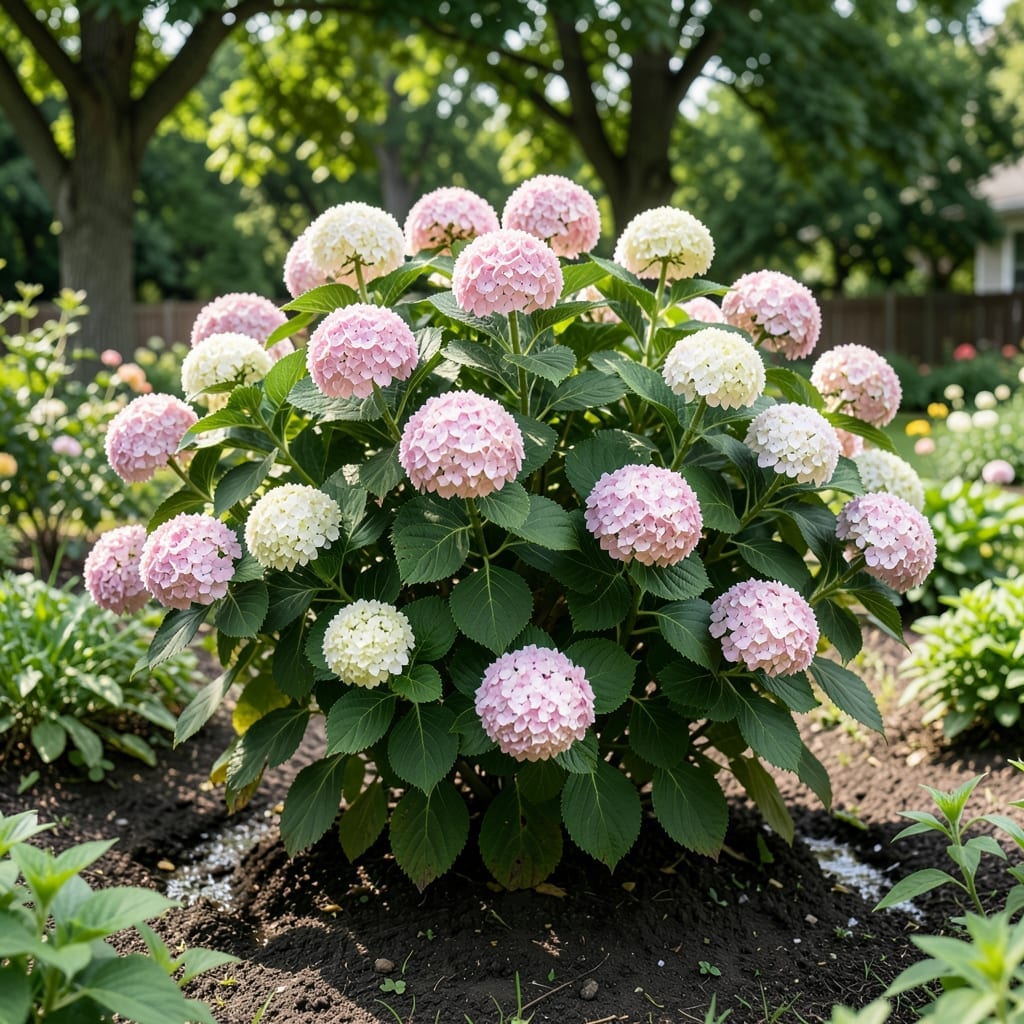
Virginia’s climate can make or break your 🌸 Hydrangea blooms, and timing is everything. Those lush, colorful clusters don’t appear on a whim—they follow a seasonal rhythm unique to your region.
I’ve seen gardeners frustrated when their Hydrangeas refuse to flower, only to realize they missed the window. The good news? With a little know-how, you can predict and even extend their blooming period.
Discover the exact months your variety will burst into color and how to coax out the longest display possible. Let’s get your garden ready.
Virginia’s USDA zones 6-8 create the perfect stage for hydrangeas, but each variety has its own blooming schedule. I’ve learned that timing depends heavily on whether your hydrangea blooms on old wood or new wood. This distinction is key.
From the mountains to the coast, Virginia’s climate shifts can tweak these timelines slightly. But generally, you can count on predictable patterns for each type of hydrangea in your garden.
| Variety | Bloom Time | Wood Type | Virginia Zones |
|---|---|---|---|
| Bigleaf (H. macrophylla) | Early to mid-summer | Old wood | 6-8 |
| Panicle (H. paniculata) | Mid to late summer | New wood | 5-8 |
| Oakleaf (H. quercifolia) | Early to mid-summer | Old wood | 5-8 |
| Smooth (H. arborescens) | Early to mid-summer | New wood | 4-8 |
In my experience, bigleaf hydrangeas often start blooming in June in Virginia. These are the classic mophead and lacecap varieties that many gardeners adore. Their blooms can last through July if conditions are right.
Panicle hydrangeas are the late bloomers of the group. I’ve seen them start in July and continue through August or even into September. Their cone-shaped flowers add drama to any garden.
Oakleaf hydrangeas typically begin in June as well. What I love about these is their stunning fall foliage, which extends the season of interest beyond just the blooms.
Smooth hydrangeas, including the popular ‘Annabelle’, usually start blooming in early summer. Since they bloom on new wood, they’re more forgiving if you prune them incorrectly.
Remember, these are general guidelines. Your specific microclimate in Virginia can shift these timelines. Coastal areas might see blooms a week or two earlier than the mountains.
I always recommend keeping a garden journal. Note when your hydrangeas first show color and when they hit peak bloom. This personal record will be more accurate than any general guide.
For the longest bloom season, consider planting multiple varieties. This way, you can enjoy hydrangea flowers from early June through late summer without gaps. 🌸
Virginia’s diverse climate zones play a huge role in when your hydrangeas bloom. I’ve noticed that even within the same garden, microclimates can create 1-2 week differences in flower timing. It’s fascinating how much impact local conditions have.
The type of wood your hydrangea blooms on is crucial. Old wood varieties like bigleaf and oakleaf set their buds the previous year, while new wood varieties like panicle and smooth form buds in spring.
Sunlight exposure significantly affects bloom timing. I’ve found that hydrangeas in partial shade often bloom a bit later than those getting more sun. But be careful—too much afternoon sun in hot Virginia summers can scorch the blooms.
Soil conditions matter more than many realize. Well-draining, moisture-retentive soil helps hydrangeas establish strong root systems, which directly impacts their ability to produce abundant blooms. A 2-3 inch mulch layer works wonders.
Pruning mistakes are a common culprit for missing blooms. Remember, if your hydrangea blooms on old wood, pruning in spring removes the very buds that would have become this year’s flowers. I always mark my calendar for post-bloom pruning.
Finally, winter damage can set back bloom times. In Virginia’s zone 6 areas, a thick layer of mulch around the base protects the roots and next year’s buds from freeze-thaw cycles. It’s a simple step that makes a big difference. 🌿