
Beautiful Plants For Your Interior
Beautiful Plants For Your Interior
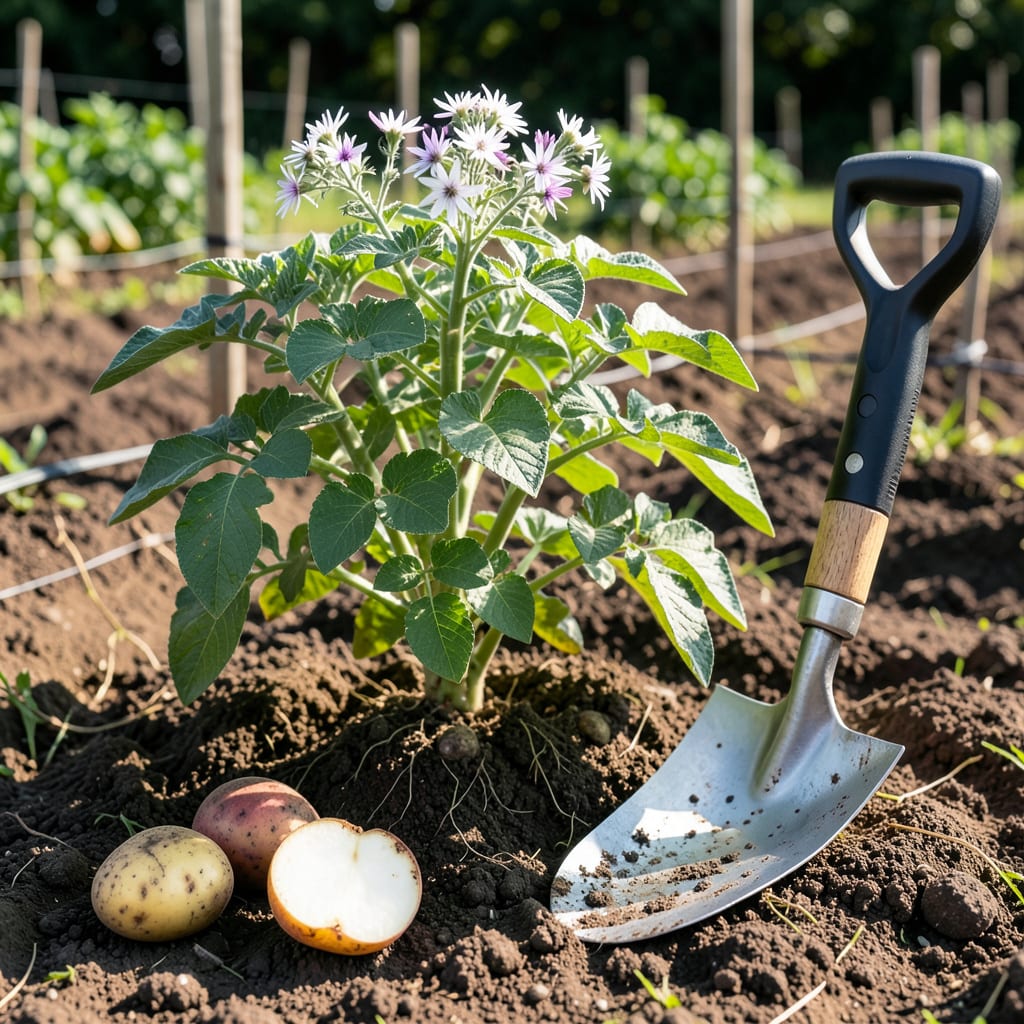
Timing your 🥔 potato planting in Ohio can mean the difference between a bountiful harvest and a disappointing yield. Plant too early, and a late frost might wipe out your crop; wait too long, and you’ll miss the sweet spot for growth.
After years of testing and refining, I’ve nailed down the perfect window for Ohio gardeners—backed by USDA zone data and real-world results. Let me show you exactly when to get those seed potatoes in the ground for the heaviest yields this season.
If you’re eager to grow spuds in Ohio, timing is your secret weapon. Plant too early, and a late frost could wipe out your crop. Wait too long, and you’ll miss the sweet spot for maximum yields. Ohio’s climate varies, so I’ll break it down by region—Northern, Central, and Southern—to help you nail the perfect window.
Ohio’s last frost dates range from April 15 to May 1, but potatoes thrive when soil hits 45°F or warmer. That means planting 2–3 weeks before your last frost. Let’s dig into the specifics for your area.
🌱 Pro Tip: Use a soil thermometer to confirm temps. If soil is too cold, potatoes may rot before sprouting.
For early-season varieties like Yukon Gold or Red Norland, aim for the earlier end of your region’s window. These spuds mature in 60–80 days, so planting early gives them a head start. If you’re growing late-season types (e.g., Kennebec or Russet), plant closer to mid-April.
Don’t forget soil prep! Potatoes love loose, well-draining soil with a pH of 5.0–6.5. I mix in compost or aged manure a few weeks before planting. If your soil is heavy clay, consider raised beds or containers to improve drainage.
Ohio’s unpredictable springs can throw curveballs. If a late frost threatens after planting, cover young shoots with mulch, row covers, or straw. This protects foliage while letting soil warm. I’ve saved many a potato plant with a thick 4–6 inch mulch layer!
For fall planting, aim for late July to early August in Southern Ohio or early July up north. This gives potatoes 90–100 days to mature before the first frost. Fall-grown spuds often have fewer pests but need consistent watering in summer heat.
If you’re pre-sprouting (chitting) your seed potatoes, start 4–6 weeks before planting. Place them in a cool, bright spot (60–70°F) to encourage sturdy sprouts. This trick can speed up harvest by 2–3 weeks, which is a game-changer in Ohio’s shorter growing season.
Watch for soil moisture after planting. Potatoes need 1–1.5 inches of water weekly, but overwatering can cause rot. I use a drip irrigation system on a timer to keep things consistent. Once plants reach 6 inches tall, start hilling soil around stems to encourage tuber formation.
Finally, keep an eye on the 10-day forecast before planting. If nighttime temps dip below 32°F, hold off or use frost blankets. Ohio’s weather can swing wildly in spring, but with the right timing and prep, you’ll be digging up hearty, homegrown potatoes by summer! 🥔
Even with perfect timing, small errors can sabotage your Ohio potato harvest. I’ve seen gardeners lose entire crops to avoidable mistakes—like planting in cold, soggy soil or skipping soil testing. Let’s fix these before you dig in.
Ohio’s clay-heavy soils and unpredictable springs demand extra care. The top three blunders I spot? Ignoring soil temperature, neglecting pH levels, and improper spacing/hilling. Fix these, and you’ll double your chances of success.
Potatoes rot in cold, wet soil instead of sprouting. Always use a soil thermometer—don’t guess! If temps dip below 45°F, seed potatoes may decay before growing.
Potatoes thrive in acidic soil (pH 5.0–6.5). Ohio’s native soil often tests 7.0+. Test with a $10 kit from your local extension office, then amend with sulfur or peat moss if needed.
Plant seeds 12–15 inches apart in rows 3 feet apart. When plants hit 6 inches tall, hill soil around stems to prevent greening (toxic solanine) and encourage tuber growth.
Another silent yield-killer? Poor seed selection. Avoid grocery store potatoes—they’re often treated with sprout inhibitors. Instead, buy certified seed potatoes from nurseries. Varieties like Yukon Gold or Kennebec perform best in Ohio’s climate.
Overwatering is just as dangerous as drought. Potatoes need 1–1.5 inches weekly, but soggy soil causes rot. I use a drip system to deliver water directly to roots while keeping foliage dry. Mulch with straw or shredded leaves to retain moisture without waterlogging.
Finally, don’t ignore crop rotation. Planting potatoes in the same spot yearly invites diseases like blight and depletes soil nutrients. Wait 3–4 years before replanting in the same area, or use containers if space is limited.
By avoiding these pitfalls, you’ll set your Ohio potato patch up for bigger yields and healthier plants. Next, let’s explore how to extend your growing season for multiple harvests! 🌱
Want to enjoy fresh Ohio potatoes from early summer through fall? With succession planting, you can stagger harvests and avoid the “all-at-once” glut. The key is pairing early, mid, and late-season varieties with smart timing and frost protection.
Ohio’s 165-day frost-free window gives us room to play. By planting Yukon Gold in March, Red Pontiac in April, and Kennebec in May, you’ll harvest from June through September. Here’s how to make it work in your garden.
Early Varieties (60–80 days): Plant March 15–April 1 (Yukon Gold, Red Norland). Harvest by late June.
Mid-Season (80–100 days): Plant April 1–15 (Red Pontiac, Mountain Rose). Harvest by late July–August.
Late Varieties (100–120 days): Plant April 15–May 1 (Kennebec, Russet). Harvest by September–October.
Fall Crop: Plant July 10–20 (fingerlings, new potatoes). Use row covers to protect from early frosts.
For urban gardeners or those with limited space, containers are a game-changer. Use 5-gallon buckets or grow bags with drainage holes. Plant one seed potato per 2.5 gallons of soil. Move containers to follow sun or protect from frost—perfect for patios and balconies.
To push the season even further, use frost protection. Row covers or low tunnels can add 2–4 weeks to your growing window. I’ve harvested potatoes as late as October 15 in Central Ohio by covering plants when temps drop below 32°F. Just
Don’t forget pre-sprouting (chitting) for all plantings. Start seed potatoes in a cool, bright spot (60–70°F) 4–6 weeks before planting. This gives them a head start and can shorten time to harvest by up to 3 weeks—critical for late-season crops racing against frost.
Finally, mulch heavily with straw or shredded leaves to regulate soil temp and moisture. This is especially helpful for fall plantings, when Ohio’s swings from 80°F days to 40°F nights can stress plants. With these tricks, you’ll be pulling up homegrown potatoes long after your neighbors’ harvests are over! 🪴
You can start as early as mid-March in Southern Ohio (Zone 6b), provided soil temps reach 45°F+. Use a soil thermometer to confirm, and cover young shoots with mulch or row covers if late frosts threaten.
Containers are ideal for Ohio’s clay-heavy regions. Use 5-gallon buckets or grow bags with drainage holes, and plant one seed potato per 2.5 gallons of soil. This also lets you move plants to follow sun or avoid frost.
Cover plants with 4–6 inches of straw mulch or use frost blankets/row covers. These protect foliage while allowing soil to warm. Remove covers during the day to prevent overheating.
It’s risky but possible! Plant by early July and use row covers to extend the season. Stick to fast-maturing varieties like fingerlings (60–70 days). Expect smaller yields than spring plantings.
This usually happens when soil is too cold (below 45°F) or waterlogged. Always check soil temp with a thermometer and improve drainage with compost or raised beds.
