
Beautiful Plants For Your Interior
Beautiful Plants For Your Interior
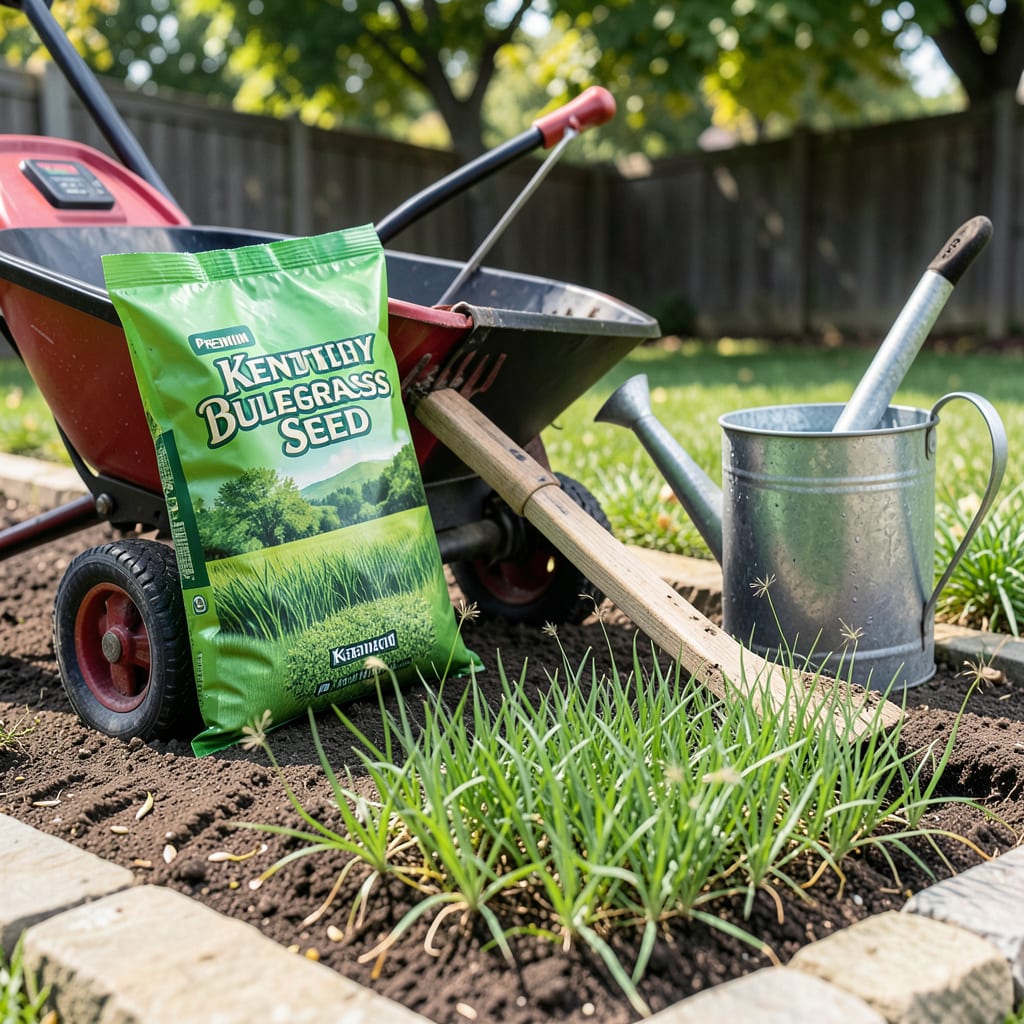
Timing your ✂️ grass seed planting in Michigan can mean the difference between a lush lawn and a patchy disappointment. Plant too early, and late frosts might wipe out your efforts. Wait too long, and summer heat could fry those tender new sprouts before they even take root.
After years of testing and talking with local experts, I’ve nailed down the perfect windows for Zone 5a-6b. Whether you’re in Detroit or Traverse City, I’ll show you exactly when to plant—and why fall is your secret weapon for success. Let’s get started.
If you’ve ever wondered why your neighbor’s lawn looks like a golf course while yours resembles a patchwork quilt, timing is likely the culprit. In Michigan’s Zone 5 climate, planting grass seed at the wrong time can mean wasted money, sparse germination, or winter die-off. The secret? Working with Michigan’s frost dates, soil temps, and seasonal weather patterns. 🌱
Michigan’s cool-season grasses—like Kentucky bluegrass and tall fescue—thrive when planted in early fall (August 15–September 15) or spring (April 15–May 15). But here’s the kicker: fall planting wins every time for stronger roots and fewer weeds. Spring works too, but you’ll battle crabgrass and heat stress by summer. Let’s break it down by season. ☀️
| Season | Best Window | Soil Temp Needed | Pros | Cons | Best For |
|---|---|---|---|---|---|
| Early Fall (Aug 15–Sep 15) |
⭐ Ideal | 50–65°F | Cooler temps, fewer weeds, strong root growth before winter | Short window; must plant 6+ weeks before first frost | All cool-season grasses (Kentucky bluegrass, tall fescue) |
| Spring (Apr 15–May 15) |
Good | 50°F+ | Warm soil speeds germination; good for repairing winter damage | Weed competition; summer heat stress risks | Perennial ryegrass, fast-germinating blends |
| Late Fall (Oct–Nov) |
Dormant Seeding | 40–50°F | Seeds germinate in spring; less maintenance | Unpredictable success; not for clay soils | Upper Peninsula (Zone 4 only) |
| Summer (Jun–Aug) |
❌ Avoid | 70°F+ | None—high risk of failure | Heat droughts, poor germination, water restrictions | Emergency repairs only (use drought-tolerant fescue) |
⚠️ Note: Adjust dates by 1–2 weeks for Upper Peninsula (Zone 4) vs. Lower Peninsula (Zone 6).
Fall planting is my top recommendation for Michigan lawns because the cooler air temps (60–75°F) and warm soil (50–65°F) create perfect conditions for root establishment. I’ve seen lawns planted in early September develop deeper roots before winter than spring-planted grass, which often struggles with summer drought. Aim to finish seeding 6–8 weeks before your first frost (around October 10 in most of Michigan). 🌿
If you miss the fall window, spring planting is your backup. Wait until soil temps hit 50°F—usually mid-April in southern Michigan and early May up north. Use a soil thermometer (or check your local MSU Extension reports) to avoid guessing. Spring-seeded lawns need extra watering (1–1.5 inches weekly) to compete with weeds like crabgrass. Pro tip: Overseed thin spots in spring rather than starting a new lawn. 💧
Dormant seeding—planting in late fall (October–November) so seeds germinate in spring—can work in northern Michigan (Zone 4), but it’s risky in clay-heavy soils common in the Lower Peninsula. The seeds may wash away or rot in wet winters. If you try it, mulch lightly with straw and avoid heavy foot traffic. I only recommend this for small repairs, not full lawns. ❄️
Summer is the worst time to plant grass seed in Michigan. High temps (80°F+) and low rainfall create a perfect storm for failure. If you must plant in summer (e.g., after construction), choose drought-resistant tall fescue, water daily (early morning), and use shade cloth to protect seedlings. Even then, expect patchy results. ☀️
For Upper Peninsula gardeners, adjust all dates 1–2 weeks later due to the shorter growing season. In Traverse City or Marquette, your last frost might be May 20–30, while Detroit or Grand Rapids sees it around May 10. Always check your local frost dates via the MSU Extension or NOAA tools before planting. 📅
Soil prep is just as critical as timing. Before seeding, aerate compacted soil, test pH (aim for 6.0–7.0), and add compost if your soil is sandy or clay-heavy. Michigan’s native soils often need amending—especially in new developments where topsoil was stripped. A starter fertilizer (like 16-4-8) at planting gives seeds a nutrient boost. ✂️
Finally, watering makes or breaks your success. New grass seed needs consistent moisture—light daily watering (just enough to keep soil damp) for the first 2–3 weeks, then deeper soaks (1 inch, 2x weekly) as it establishes. Avoid evening watering to prevent fungal diseases like dollar spot. Use a rain gauge to track moisture—Michigan’s unpredictable weather can fool you! 🌧️
Even with perfect timing, your Michigan lawn can still fail if you fall into these common traps. I’ve seen too many homeowners waste time and money by overlooking key details—like soil prep or watering schedules. Let’s tackle the biggest blunders so your grass seed thrives, not flops. ✂️
First up: planting too early in spring. Michigan’s last frost dates vary—May 10 in Detroit, but May 20–30 in Traverse City or the UP. Seeds planted before soil reaches 50°F often rot or fail to germinate. Always check your local frost dates via MSU Extension before sowing. 🌡️
Ignoring soil prep is another lawn killer. Michigan’s clay-heavy soils (common in Detroit, Lansing) or sandy soils (west coast, like Muskegon) need help. Test your pH—if it’s below 6.0, add lime. For compaction, aerate before seeding. I recommend top-dressing with ¼ inch of compost to improve seed-to-soil contact. 🪴
Watering mistakes ruin more Michigan lawns than drought. New grass seed needs light, frequent watering (daily misting) for the first 2 weeks, then deeper soaks (1 inch, 2x weekly). Evening watering invites fungus—stick to early morning (6–9 AM). Use a rain gauge to avoid overdoing it. 💧
Picking the wrong grass type is a costly error. Kentucky bluegrass loves sun but struggles in shade; tall fescue handles drought but spreads slowly. For shady yards, blend fine fescue with perennial ryegrass. In high-traffic areas, choose a durable mix like 80% tall fescue + 20% Kentucky bluegrass. 🌿
Finally, planting in summer is almost always a mistake. Michigan’s July–August heat (80°F+) and humidity stress tender seedlings. If you must plant in summer, opt for drought-tolerant tall fescue, water daily at dawn, and use shade cloth for protection. Even then, expect 50% less germination than fall plantings. ☀️
Not all grass seed thrives in Michigan’s Zone 5 climate. The wrong choice can leave you with a patchy, weak lawn that struggles through winters or burns in summer. After testing dozens of varieties, I’ve narrowed it down to the top performers for Michigan’s unique conditions—from shady yards to high-traffic areas. 🌱
Michigan’s cool-season grasses dominate because they handle freezing winters and humid summers. Kentucky bluegrass is the gold standard for sun, while tall fescue wins for drought-prone spots. For shade, fine fescue blends save the day. Let’s compare the best options—and their germination times—so you pick the right seed for your lawn. ☀️
| Grass Type | Best For | Germination Time | Sun Needs | Drought Tolerance | Planting Window |
|---|---|---|---|---|---|
| Kentucky Bluegrass | Sunny lawns, high-traffic areas | 14–21 days | 6+ hours | Moderate (needs water) | Aug 15–Sep 15 (fall) or Apr 15–May 15 (spring) |
| Tall Fescue | Drought-prone areas, clay soil | 7–14 days | 6+ hours | High | Aug–Sep (fall) or Apr–May (spring) |
| Fine Fescue | Shady yards, low-maintenance | 10–14 days | 4+ hours | Moderate | Aug–Sep (fall) or Apr–May (spring) |
| Perennial Ryegrass | Fast germination, overseeding | 5–10 days | 6+ hours | Low | Aug–Sep (fall) or Apr–May (spring) |
| Turftype Tall Fescue | High-traffic, durable lawns | 10–14 days | 6+ hours | Very High | Aug–Sep (fall) or Apr–May (spring) |
💡 Pro Tip: For Michigan lawns, blend 80% tall fescue + 20% Kentucky bluegrass for a drought-resistant yet lush result.
Kentucky bluegrass is the king of Michigan lawns for its dense, soft texture and cold hardiness. It thrives in full sun (6+ hours) but struggles in shade or drought. If your yard has mixed conditions, pair it with 10–20% fine fescue for shade tolerance. Just note: it germinates slower (14–21 days), so plant early in the fall window. 🌿
For drought-prone areas (like West Michigan’s sandy soils), tall fescue is your best bet. It germinates in just 7–14 days and handles heat and dry spells better than bluegrass. I recommend ‘Turftype’ tall fescue for its finer blades and durability. It’s also disease-resistant, making it ideal for humid Michigan summers. 💧
If your yard is shady (thanks to mature maples or pines), fine fescue blends are lifesavers. They tolerate low light (4+ hours of sun) and poor soil. Look for mixes with creeping red fescue for self-repairing patches. Pair it with perennial ryegrass (5–10 day germination) for quick fill-in while the fescue establishes. ⛅
For high-traffic lawns (kids, pets, or frequent entertaining), a tall fescue/Kentucky bluegrass blend is unbeatable. The fescue provides durability, while the bluegrass adds softness. Avoid perennial ryegrass alone—it wears poorly under heavy use. In northern Michigan (Zone 4), add 10% annual ryegrass for faster spring green-up. ✂️
Seeds planted before soil reaches 50°F often rot or fail to germinate. Michigan’s last frost varies—May 10 in Detroit but May 20–30 in Traverse City. Always check local frost dates via MSU Extension before sowing.
July is the worst time to plant in Michigan due to heat (80°F+) and drought risks. If you must, choose drought-tolerant tall fescue, water daily at dawn, and use shade cloth. Expect 50% less germination than fall plantings.
Germination times vary: Kentucky bluegrass takes 14–21 days, while perennial ryegrass sprouts in 5–10 days. Tall fescue typically emerges in 7–14 days under ideal conditions. Keep soil consistently damp during this period.
For shady areas (4+ hours of sun), fine fescue blends with creeping red fescue work best. Pair it with perennial ryegrass for quick fill-in while the fescue establishes. Avoid sun-loving grasses like Kentucky bluegrass.
Yes! The UP (Zone 4) has a shorter season. Adjust dates 1–2 weeks later than Lower Peninsula. Last frost is typically May 20–30 in Marquette vs. May 10 in Detroit. Always verify local frost dates.
