
Beautiful Plants For Your Interior
Beautiful Plants For Your Interior
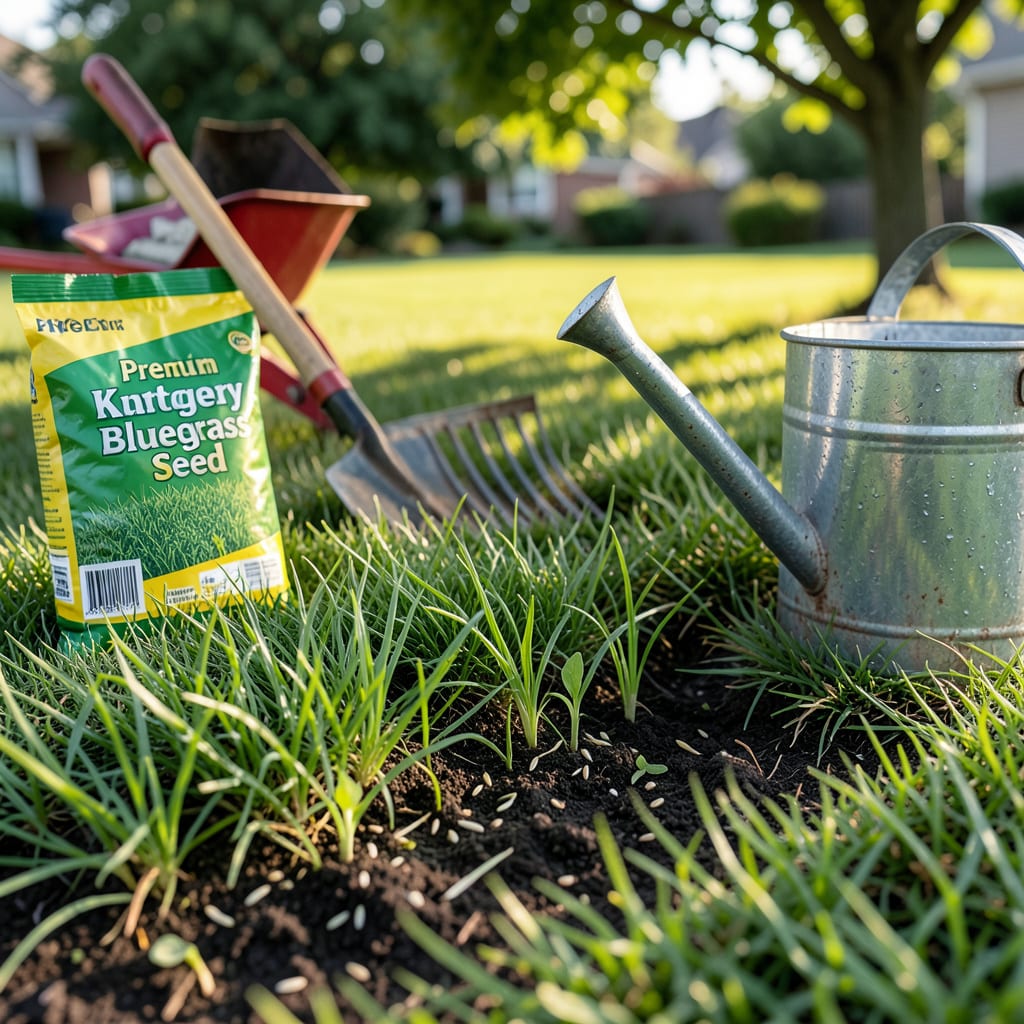
That perfect lawn starts with one critical decision: when to plant your ✂️ grass seed in spring. Plant too early, and frost could wipe out your seedlings. Wait too long, and summer heat will stress them before they establish.
After testing different approaches in my own yard, I’ve found the sweet spot isn’t just about dates—it’s about soil temperature and your local climate. Let me show you exactly how to time it right for a lush, healthy lawn that thrives all season.
If you’ve ever wondered why your grass seed sometimes sprouts unevenly, the answer often lies beneath your feet. Soil temperature is the secret ingredient to spring planting success—not air temperature. Cool-season grasses like Kentucky bluegrass or fescue need soil temps of 50–65°F to germinate properly.
Warm-season varieties like Bermuda or Zoysia won’t even think about sprouting until the soil hits 60–70°F. Plant too early in cold soil, and your seeds may rot. Wait too long, and summer heat will stress young seedlings. The sweet spot? A soil thermometer—your best friend for precision planting.
| Grass Type | Optimal Soil Temp | Regions | Planting Window |
|---|---|---|---|
| Kentucky Bluegrass | 50–65°F | Northern U.S. | Early March–April |
| Tall Fescue | 50–65°F | Midwest, Pacific NW | March–May |
| Bermuda Grass | 60–70°F | Southern U.S. | April–June |
| Zoysia Grass | 65–75°F | Transition Zone | Late April–May |
*Test soil at 2-inch depth in the morning for accuracy.
Here’s the kicker: Air temperature can be misleading. A sunny 60°F day might feel perfect, but if the soil is still 45°F, your seeds will just sit there. I always check my soil at 8 a.m.—that’s when it’s most stable. Stick the thermometer 2 inches deep where you’ll plant.
For cool-season grasses, aim to plant 4–6 weeks before your last frost date. In Zone 6, that’s typically early March. Warm-season grasses? Wait until all frost risk has passed—usually late April in southern regions. Pro tip: If you’re overseeding, mow low first to let sunlight reach the soil.
What if your soil’s too cold? Don’t rush it. Cold, wet soil is a death sentence for seeds—they’ll rot before germinating. I’ve seen gardeners lose entire lawns by planting in February during a warm spell, only for temps to drop again. Patience pays off: Wait for consistent soil temps in your grass’s ideal range.
Once your soil hits the magic number, prep is key. Rake the area to loosen the top ¼ inch, then spread seed evenly. Cover lightly with peat moss or compost to retain moisture. Water twice daily (morning/evening) until germination—keep it damp but not soggy. Trust me, skimp on watering, and you’ll see patchy results.
If you’re in the South, watch for late frosts. A surprise 30°F night can wipe out tender Bermuda sprouts. Up North? April showers might delay planting—wait for a dry stretch to avoid seed washout. And everywhere: Avoid herbicides for 4 weeks before/after planting; they’ll kill your new grass too.
Still unsure? Grab a $10 soil thermometer—it’s the best investment for your lawn. I check mine weekly starting in late winter. When the needle hits 50°F for cool-season or 60°F for warm-season, it’s go time. Your lawn will thank you with thick, green growth all season long. 🌱
Remember, spring planting isn’t just about timing—it’s about consistent care afterward. Once seeds sprout, gradually reduce watering to deep sessions 2–3 times weekly. And hold off on heavy foot traffic for 8 weeks; those young roots need time to establish. Follow these steps, and you’ll be mowing a lush lawn by summer. ✂️
Spring grass planting isn’t a one-size-fits-all game—your region’s climate dictates the perfect window. In the Northeast, I’ve found early April works best for cool-season grasses, while Southern gardeners should hold off until late March to avoid late frosts. Timing it wrong means wasted seed and patchy lawns.
The Midwest has a sweet spot from mid-March to early May, but watch for April showers that can wash away seeds. Out West? Coastal areas can plant as early as February, while desert regions should wait until March to avoid heat stress. Your local USDA zone is your best guide.
*Adjust for microclimates—urban areas warm faster than rural zones.
Here’s the danger zone to avoid: Late May in the South brings scorching temps that fry tender sprouts, while early March in the North risks frost damage. I once planted Zoysia in Atlanta on May 1—big mistake. The heat stunted growth, and I had to reseed in fall.
For cool-season grasses, aim to finish planting by May 1—after that, rising temps stress seedlings. Warm-season grasses need to go in by June 1 at the latest. Pro tip: Check your local frost dates and count backward. In Zone 6, that’s April 15; plant cool-season seeds 6 weeks prior.
If you’re overseeding, time it 2 weeks before your region’s ideal window. This gives existing grass time to recover from mowing. And always water deeply the day before planting—dry soil repels seeds. I use a broadcast spreader for even coverage, then lightly rake to ensure seed-to-soil contact.
Watch the 10-day forecast before planting. If nighttime temps will dip below 40°F, hold off. Young sprouts can’t handle cold snaps. In the Pacific Northwest, April showers mean you might need to delay until a dry spell. Patience now prevents heartache later.
Still unsure? Grab a soil thermometer and your county extension’s planting guide. When both say “go,” it’s time. Your lawn’s success hinges on these 2–3 critical weeks—miss them, and you’re fighting weeds all summer. Get it right, and you’ll be barefoot in lush grass by Memorial Day. 🌿
Even with perfect timing, small errors can sabotage your spring lawn. I’ve seen gardeners waste hundreds on seed by making three preventable mistakes. The first? Planting too shallow. Grass seed needs ¼-inch soil coverage—any less and birds will feast; any more and sprouts can’t break through.
Second: Skipping starter fertilizer. New grass craves phosphorus for root growth. I use a 12-24-12 blend at planting, then a nitrogen boost 6 weeks later. Without it, seedlings grow weak and patchy. Third? Ignoring weed control. Pre-emergent herbicides kill grass seeds too—wait 4 weeks after planting to apply.
*Cool-season grasses need consistent moisture for 21 days post-planting.
Here’s another killer: Inconsistent watering. Grass seed needs damp soil (not soggy) for 2–3 weeks. I set my sprinkler for 10-minute sessions twice daily—6 a.m. and 6 p.m.—to prevent evaporation. Miss a day? Seeds dry out and die. Overwater? Fungal diseases move in.
Don’t overlook soil prep. Compacted or weedy soil smothers seeds. I aerate first, then rake to create a fine seedbed. For bare spots, mix seed with topsoil (50/50) for better contact. And never plant before a heavy rain—seed washout is real. Check your 7-day forecast for dry spells.
Finally, foot traffic is the silent lawn killer. New grass needs 8 weeks to establish roots. I rope off planted areas and redirect kids/pets. Even mowing too soon stunts growth—wait until grass reaches 3–4 inches. Follow these rules, and you’ll avoid the patchy, weedy mess I see in most spring lawns. ✂️
Pro tip: If weeds invade, hand-pull (don’t spray!). Young grass can’t handle herbicides. For stubborn weeds, try corn gluten meal—a natural pre-emergent safe for new lawns. And if your lawn looks thin after 3 weeks? Overseed lightly—don’t start over. Small fixes now prevent big headaches later. 🌱
Cool-season varieties like Kentucky bluegrass or fescue thrive when soil hits 50–65°F. Plant too early in cold soil, and seeds may rot. Use a soil thermometer at 2-inch depth for accuracy—morning readings are most reliable.
Warm-season grasses like Bermuda need soil temps of 60–70°F. Early spring is often too cold—wait until all frost risk has passed, typically late April in southern regions. Planting too soon risks poor germination or frost damage.
Keep soil consistently damp (not soggy) for 2–3 weeks. Water twice daily—morning and evening—for 10 minutes per session. Reduce to deep sessions 2–3 times weekly once grass reaches 2 inches tall.
Planting too shallow is the top error—seeds need ¼-inch soil coverage. Too little exposes them to birds; too much prevents sprouting. Always rake lightly after spreading seed to ensure proper contact.
Avoid foot traffic for 8 weeks to let roots establish. Mow only when grass reaches 3–4 inches, and use a sharp blade. Heavy use too soon can uproot seedlings or create bare spots. Patience pays off!
