
Beautiful Plants For Your Interior
Beautiful Plants For Your Interior
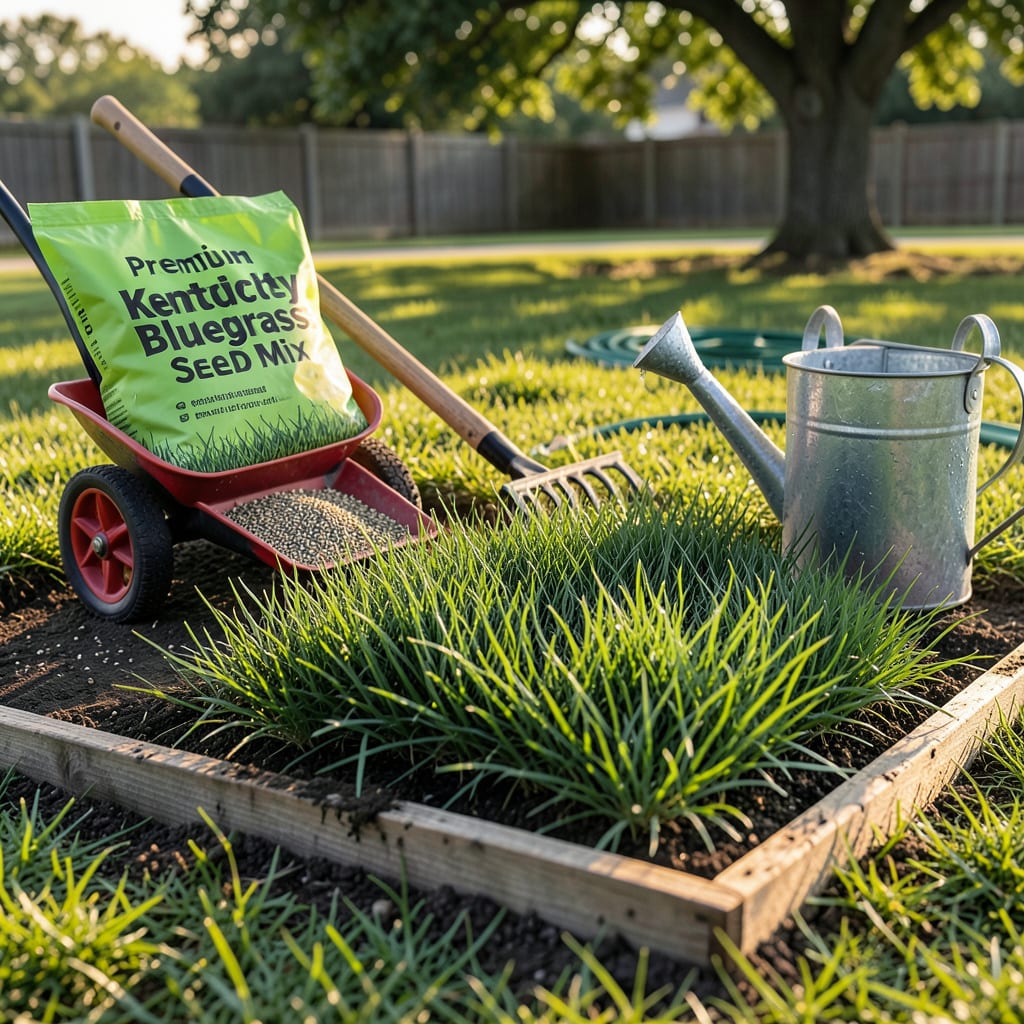
Timing your grass seed planting in Michigan can mean the difference between a patchy yard and a lush, envy-worthy lawn. Our state’s unpredictable Zone 5 climate—with its early frosts and lake-effect weather—demands precision, not guesswork.
I’ve seen too many homeowners waste seed and effort by planting at the wrong time. The good news? There’s a science-backed window that nearly guarantees success. Let’s break down exactly when to plant—and why early fall beats spring for Michigan lawns every time.
If you’re wondering when to plant grass seed in Michigan, timing is your secret weapon. Our state’s Zone 5 climate means we’ve got two prime windows: early fall (late August to mid-September) and spring (April to May). Fall is the gold standard because cooler temps and autumn rains create perfect germination conditions.
Michigan’s unpredictable weather can throw curveballs, so I always recommend watching soil temperature rather than just calendar dates. You want 50-65°F soil for at least a week before planting. The Upper Peninsula and northern Lower Peninsula typically run about 1-2 weeks behind southern Michigan for ideal planting conditions.
For northern Michigan (Zones 4-5a), I recommend pushing your fall planting to early September to avoid early frosts. In southern Michigan (Zone 5b-6), you can often plant successfully through mid-September. Spring planting works statewide, but watch for late frosts in the UP through early May.
The worst time to plant grass seed in Michigan? Summer. Our hot, often dry July and August months create stressful conditions for new grass. If you must plant in summer, choose drought-tolerant varieties like Tall Fescue and commit to daily watering until established.
Here’s my pro tip for Michigan lawns: Soil prep matters more than timing. Test your soil pH (aim for 6.0-7.0) and amend with compost if needed. Our heavy clay soils in many areas benefit from core aeration before planting to improve seed-to-soil contact.
After planting, maintain consistent moisture – about 1-2 inches per week (including rainfall). Use a light mulch like straw to protect seeds from birds and retain moisture. Avoid heavy foot traffic for at least 4 weeks to let new grass establish strong roots.
Remember that Michigan’s lake-effect weather can create microclimates. Coastal areas near Lake Michigan or Lake Huron might have slightly extended growing seasons, while inland areas can experience more extreme temperature swings. When in doubt, check your local frost dates and adjust accordingly.
For those dealing with shady lawns, early fall planting gives cool-season grasses like Fine Fescue extra time to establish before winter. Spring planting in shady areas often struggles with tree canopy competition as leaves emerge.
Whether you’re overseeding an existing lawn or starting from scratch, Michigan’s best grass planting windows give you about 6-8 weeks each in spring and fall. Mark your calendar for Labor Day weekend – it’s my favorite time to plant grass seed across most of the state! 🌱
Choosing the right grass seed for Michigan can make or break your lawn. Our Zone 5 climate demands cool-season grasses that handle freezing winters and humid summers. I’ve tested dozens of varieties and found these perform best in our unpredictable weather.
Michigan lawns thrive with Kentucky Bluegrass, Tall Fescue, and Perennial Ryegrass blends. Each has unique strengths: Bluegrass spreads beautifully, Fescue handles drought, and Ryegrass germinates quickly. Let’s compare the top performers for different Michigan conditions.
For northern Michigan lawns, I recommend hardy blends with at least 50% Tall Fescue to survive harsh winters. Southern Michigan lawns can handle more Kentucky Bluegrass for that classic lush look. Always check your sun exposure before choosing.
Planting grass seed mixtures gives better results than single varieties. My favorite Michigan blend is 70% Tall Fescue, 20% Kentucky Bluegrass, and 10% Perennial Ryegrass. This combo handles our clay soils and temperature swings beautifully.
Remember that seed quality matters in Michigan’s climate. Look for certified weed-free seeds with high germination rates (90%+). I always recommend local Michigan seed suppliers who understand our unique growing conditions better than big-box stores.
For shady lawns, Fine Fescue is your best bet, but you’ll need to plant in early fall for best establishment. Spring planting in shade often fails because trees leaf out and block sunlight just as your grass is trying to grow.
After planting, use a starter fertilizer (look for 10-10-10 ratio) and water lightly daily until germination. Michigan’s clay-heavy soils benefit from a thin layer of compost before seeding to improve drainage and nutrient availability. 🌿
Even with perfect timing, Michigan lawns can fail if you make these common grass seed mistakes. I’ve seen homeowners waste hundreds on seed and fertilizer by overlooking simple details. Let’s fix that before you plant!
The biggest error I see? Planting too late in fall. Michigan’s first frost can hit suddenly in October, killing tender new grass. Aim to finish planting by September 15 in most areas to give roots time to establish.
Another critical mistake is ignoring soil preparation. Michigan’s heavy clay soils can suffocate grass seeds if not properly amended. Always aerate compacted areas and mix in compost before planting for better drainage and root development.
Overwatering is surprisingly common with new grass seed. While seeds need consistent moisture, soggy conditions promote fungal diseases like damping-off. Use a light sprinkler 2-3 times daily for short durations rather than heavy watering.
Many Michigan homeowners choose seed based on price rather than suitability. Avoid generic seed mixes and opt for varieties bred for our climate. Look for Michigan State University tested blends or those labeled for Zone 5 hardiness.
After germination, I see too many people neglect proper care. New grass needs starter fertilizer (10-10-10 ratio) about 4 weeks after planting. Wait until grass reaches 3-4 inches tall before first mowing, and never remove more than 1/3 of blade height at once.
For shady Michigan lawns, the mistake is often choosing wrong varieties. Fine Fescue works best in shade, while Kentucky Bluegrass struggles. Match your seed to your light conditions and you’ll see dramatically better results. 🌿
For Michigan lawns, aim for 50-65°F soil temperature before planting. This typically occurs in late August through mid-September for fall planting. Use a soil thermometer for accuracy—don’t guess!
Yes! April through May works as a secondary window. Just watch for late frosts in northern Michigan. Spring-planted grass needs extra care to compete with weeds and establish before summer heat arrives.
Complete planting by September 15 in most areas to allow 6-8 weeks of growth before first frost. Northern Michigan may need earlier timing due to quicker frost onset.
Avoid summer planting (July-August) in Michigan. The heat and potential drought create stressful conditions for new grass. If you must, choose drought-tolerant varieties and commit to daily watering.
