
Beautiful Plants For Your Interior
Beautiful Plants For Your Interior
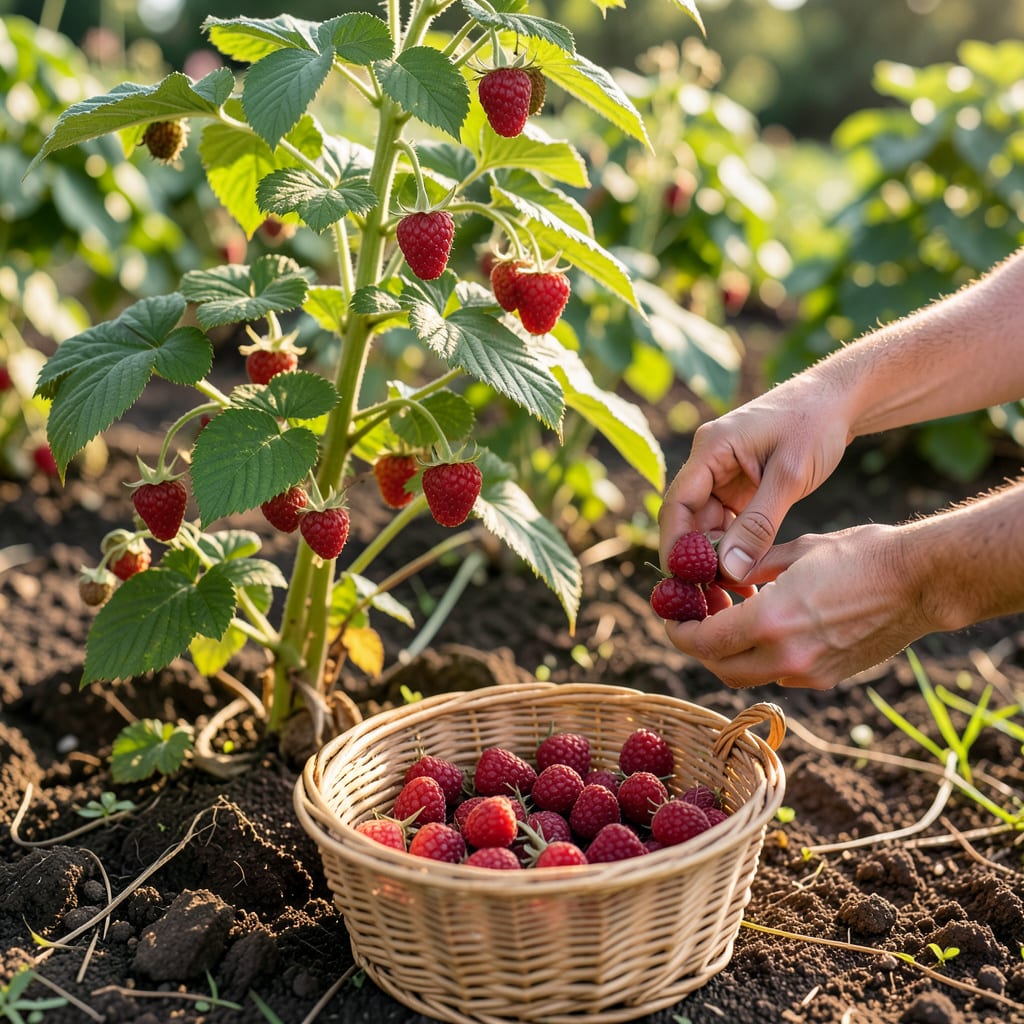
There’s nothing worse than picking raspberries too early and getting a mouthful of tart disappointment. The 🍇 Raspberry tells you exactly when it’s ready—if you know what to look for.
I’ll show you the easiest ways to spot perfect ripeness, from color to texture, so you never miss that sweet harvest window again.


I’ve learned that raspberry ripeness isn’t just about color—it’s a multi-sensory experience. The first clue is always the deep, consistent hue that varies by type.
For red raspberries, you’re looking for a rich scarlet shade, while black raspberries turn a deep purple-black. Golden varieties should be a bright amber when ready.
| Variety | Ripe Color | Harvest Window | Key Sign |
|---|---|---|---|
| Red | Bright scarlet | June-July | Dull, deep red |
| Black | Purple-black | July-August | Glossy, deep hue |
| Golden | Amber-gold | July-August | Uniform golden tone |
| Purple | Deep purple | Late July | Rich, even color |
The texture test is just as important. A ripe raspberry should feel slightly soft when gently pressed, but not mushy. If it’s hard as a rock, it’s not ready yet.
I always check the ease of separation too. A perfectly ripe berry will pull away easily from its white core, leaving that hollow center we all recognize. If you have to tug, it’s not ripe.
For summer-bearing raspberries, the harvest typically starts in early June and lasts about 4-6 weeks. Fall-bearing varieties produce fruit from late August through October, depending on your climate.
I’ve noticed that morning harvesting gives the best results. The berries are cooler and firmer, which helps them last longer after picking. Always use two hands to avoid crushing the delicate fruit.
Another pro tip: smell your raspberries. Ripe berries have a sweet, fragrant aroma that’s impossible to miss. If there’s no scent, they’re likely not ready for harvest.
Remember that weather affects ripening. A hot, dry spell can speed up the process, while cool, rainy days might delay it. Always adjust your checks based on the conditions.
With these clues, you’ll never miss the perfect picking window again 🌿
Timing is everything when it comes to harvesting raspberries. I’ve found that checking berries early in the morning yields the best results, as they’re cooler and firmer. Always use gentle pressure to test ripeness before pulling.
If the berry resists, it’s not ready. A ripe raspberry will slide off effortlessly, leaving the white core behind on the plant. This is your first sign of perfect ripeness.
I recommend checking your raspberry plants every 24-48 hours during peak season, as berries can go from unripe to overripe quickly. This is especially true for summer-bearing varieties.
Never pull raspberries when they’re wet from rain or dew. The extra moisture makes them prone to mold and spoilage. Always wait for dry conditions to ensure the longest shelf life for your harvest.
For fall-bearing raspberries, you’ll often get two harvests: one in early summer and another in autumn. The second crop is typically larger and sweeter if the plant is well cared for.
Remember that color alone isn’t always enough. A deep red raspberry might still be tart if it’s hard to the touch. The true test is the ease of separation from the plant.
With these tips, you’ll maximize both yield and flavor from your raspberry bushes 🌿
Even experienced gardeners can make harvesting mistakes that ruin their raspberry crop. Picking too early is a common error, as underripe berries will be tart and hard. I’ve learned that waiting for the perfect moment is key to sweet, juicy fruit.
Another mistake is waiting too long. Overripe raspberries become mushy and fermented, attracting pests and losing flavor. The window for peak ripeness is small, so daily checks are essential during harvest season.
✅ Don’t pick wet berries—wait for dry conditions to prevent mold.
✅ Don’t ignore weather—heat speeds up ripening; rain can delay it.
✅ Don’t pull too hard—ripe raspberries come off with minimal effort.
Ignoring weather conditions is another pitfall. Hot, sunny days can speed up ripening, while cool, rainy weather may delay it. I always adjust my harvesting schedule based on the forecast to catch berries at their best.
Finally, mishandling berries after picking can ruin their quality. Avoid stacking them deeply in containers, as the weight can crush lower layers. Instead, use shallow trays and store them in the fridge immediately to preserve freshness.
By avoiding these mistakes, you’ll ensure every raspberry you pick is perfectly ripe and delicious 🌿
Check every 24-48 hours during peak season. Raspberries ripen quickly, especially in hot weather, so daily inspections ensure you don’t miss the perfect window.
They were likely picked too early. Underripe berries are hard and tart. Wait until they’re deeply colored and come off the plant with minimal effort for sweetness.
No, wait for dry conditions. Wet berries are prone to mold and spoilage. Always harvest in the morning after dew has evaporated for best results.
Pick in the early morning when berries are cool and firm. This helps them last longer and maintain better texture after harvesting.
