
Beautiful Plants For Your Interior
Beautiful Plants For Your Interior
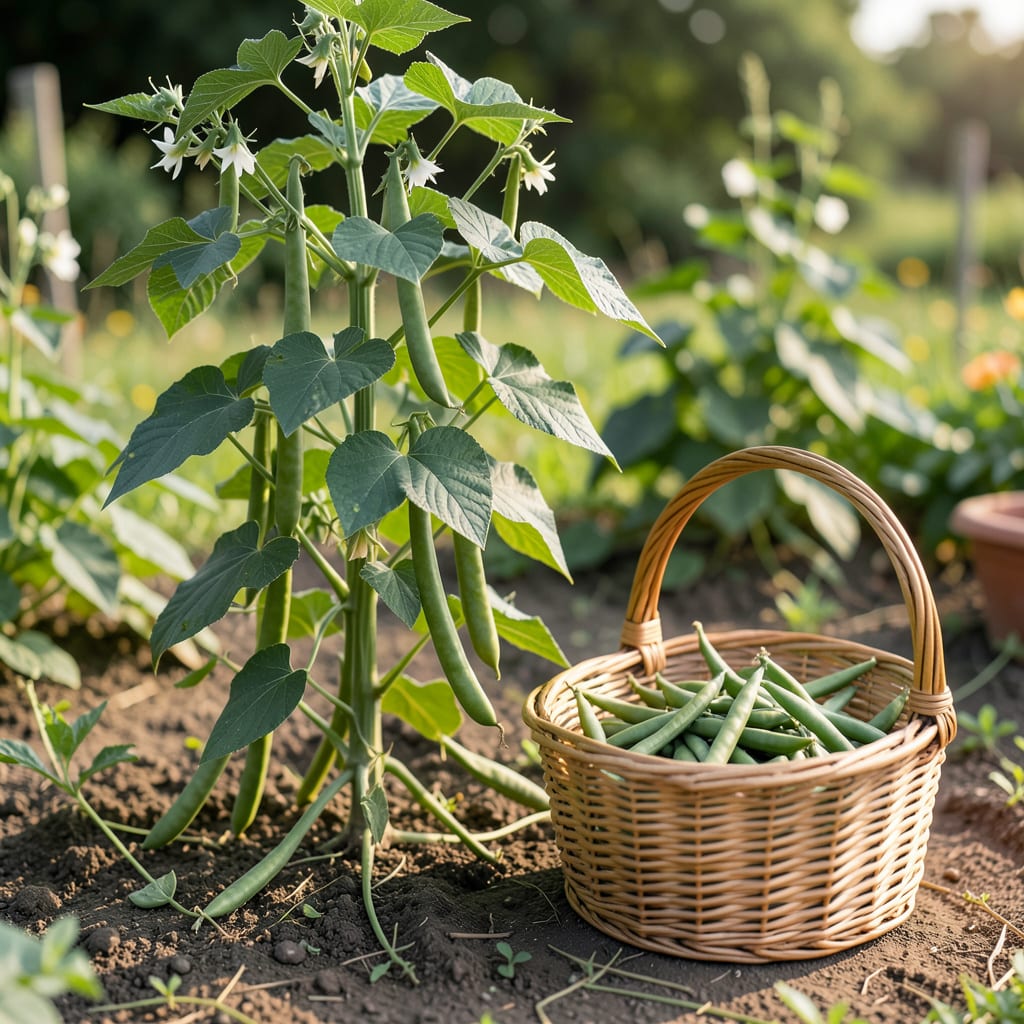
Nothing beats the satisfaction of picking perfect pole beans at just the right moment. With 🌱Pole Bean vines thriving in zone 6a, timing your harvest is everything.
I’ll show you the visual clues to look for and when to expect your first flush of beans. Let’s make sure you never miss that ideal picking window again.


I always watch for the first sign: pods reaching 4-6 inches long. This is the sweet spot for most pole bean varieties like Kentucky Wonder or Blue Lake. The size alone isn’t enough, though.
Next, I check the texture and firmness. A ready pod should feel smooth and crisp, not bendy or soft. When I gently bend one, it should snap cleanly with a satisfying crunch. That’s nature’s way of saying it’s perfect.
| Sign | Ready | Not Ready |
| Size | 4-6 inches | Under 3 inches |
| Texture | Firm and crisp | Soft or bendy |
| Seeds | Visible but small | Not visible |
| Sound | Snaps cleanly | Bends without snapping |
The color is another big indicator. Most pole beans turn a vibrant green when ready, though some heirloom varieties may have purple or yellow hues. I
I also look at the seeds inside. When I slice open a pod, the seeds should be small and not bulging. If they’re starting to swell, the beans are overmature and might be tough.
For Blue Lake beans, I wait until the pods are deep green and completely smooth. Kentucky Wonder varieties often have a slightly lighter green hue but should still feel firm.
The timing varies by variety, but most pole beans are ready in 50-70 days after planting. I mark my calendar at 60 days as a good starting point to check daily.
I find that morning harvests yield the crispiest beans. The cooler temperatures overnight help the pods retain their firm texture. I always bring a sharp pair of scissors to avoid damaging the vines.
If I see the pods starting to yellow, I know I’ve waited too long. At that point, the beans inside are usually starchy and tough, perfect only for drying, not fresh eating.
Remember, the more I pick, the more the plant produces. I aim to harvest every 2-3 days during peak season to keep the vines productive. This regular picking encourages the plant to put energy into new pods rather than maturing the existing ones.
With these signs in mind, I’ve never had a disappointing harvest. The key is consistent checking and not waiting too long between inspections 🌱
I’ve seen many gardeners accidentally reduce their pole bean harvest by making simple mistakes. Picking too late or using the wrong technique can damage vines and limit future production.
One common error is waiting until pods bulge with mature seeds, which makes them tough and stringy. Another is pulling beans off instead of using clean scissors or fingernails.
⚠️ Avoid These Harvesting Pitfalls
Never tug hard on vines—this can uproot plants. Don’t wait for maximum size; pick when pods are 4-6 inches long. Skipping regular harvests reduces future yields.
I always check my Kentucky Wonder and Blue Lake varieties every 2-3 days during peak production. This prevents beans from becoming overripe and keeps the plants producing new pods.
Another mistake is harvesting when plants are wet. Morning dew or rain can spread disease. I wait until late morning when foliage is dry to start picking.
Using dull tools can crush stems, so I keep sharp pruners handy. And I never harvest more than 1/3 of the pods at once to avoid stressing the plant.
Finally, remember that younger pods are more tender. If you see the seeds bulging, you’ve waited too long. The ideal bean snaps crisply and has a smooth texture. ☀️
Timing your harvest right makes all the difference with pole beans. I always aim for late morning after the dew has dried but before the heat of midday sets in.
The cool overnight temperatures help the pods stay crisp, and the dry foliage prevents disease spread. This is when I get the best texture and flavor from my beans.
I always bring sharp scissors or pruning shears to snip the pods cleanly. Pulling them off by hand can damage the delicate vines and reduce future production.
For storage, I keep my freshly picked beans in the refrigerator in a paper bag for up to 5 days. This maintains their crispness and freshness better than plastic.
If I’m harvesting a large batch, I’ll spread them out in a cool, dry place for a few hours before refrigerating. This helps them retain their firm texture longer.
With these timing and tool tips, I consistently get the best quality beans from my garden each season ✂️
Check every 2-3 days during peak season. Pole beans mature quickly, and frequent harvesting encourages more production. Missing just a few days can result in overripe, tough pods.
Overmature pods become tough, stringy, and starchy. The seeds inside will bulge, making them unsuitable for fresh eating. These are better saved for drying or shelling beans.
No, always wait until foliage is dry. Harvesting wet plants can spread disease and damage the vines. Late morning is ideal after dew has evaporated.
Store unwashed beans in a paper bag in the refrigerator for up to 5 days. Avoid plastic bags, as they trap moisture and reduce crispness.
