
Beautiful Plants For Your Interior
Beautiful Plants For Your Interior
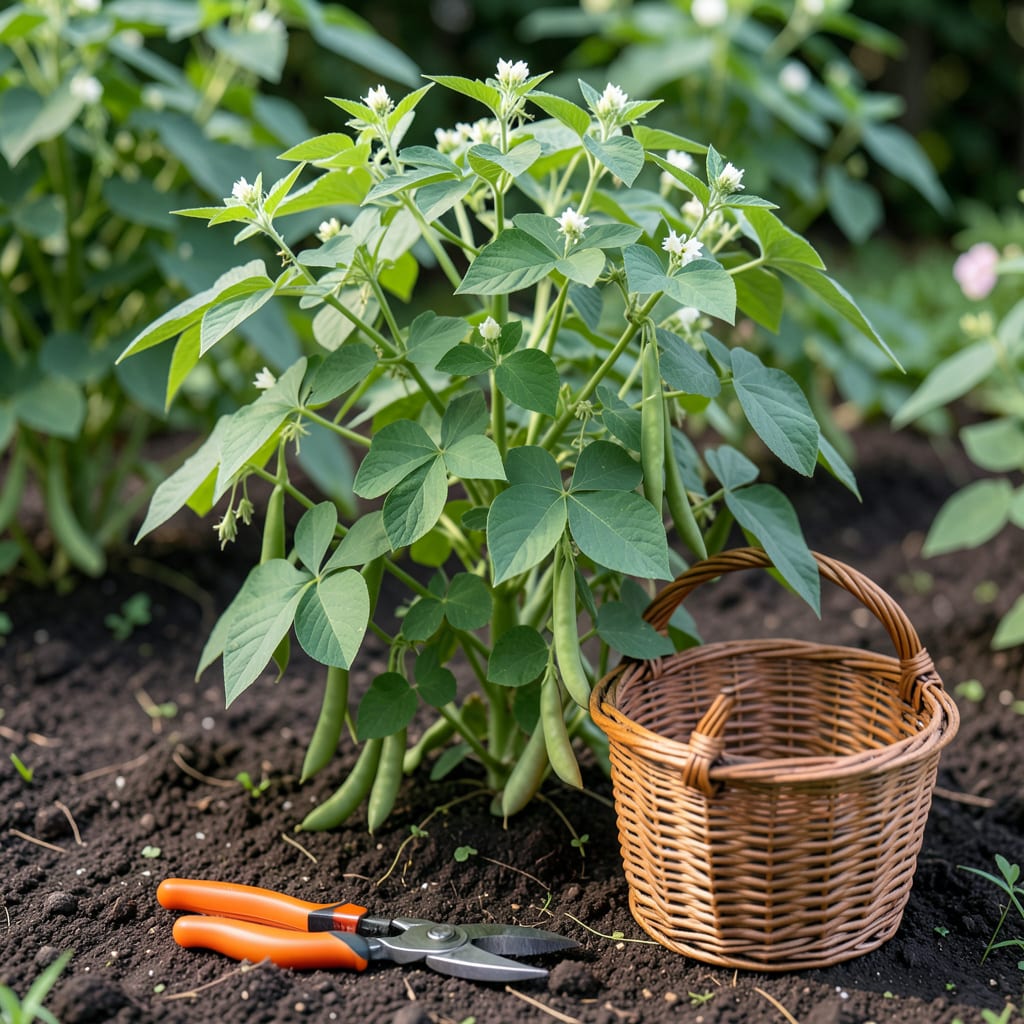
Knowing exactly when to pick your Lima Bean 🌱 can make all the difference between a perfect harvest and a missed opportunity. Timing is everything with these garden favorites.
I’ll show you the subtle signs to watch for, from pod color to texture, so you never guess wrong. With these tips, you’ll always gather your beans at their most flavorful peak.


I always watch for bright green pods that have reached 2-3 inches long as the first sign. The color should be vibrant, not dull, indicating the beans inside are developing properly.
The most reliable indicator is pod plumpness. When the pods feel firm and rounded between your fingers, not flat or thin, they’re likely ready for picking.
| Harvest Sign | Description |
|---|---|
| Pod Color | Bright green and vibrant |
| Pod Size | 2-3 inches long |
| Pod Texture | Firm and plump to touch |
| Seed Visibility | Seeds visible as bumps through pod |
| Bush vs Pole | Pole beans may be slightly longer |
For bush lima beans, I typically see pods ready about 60-75 days after planting. Pole varieties often take a bit longer, up to 90 days, due to their climbing nature.
Another visual cue is the seed outline. When you can clearly see the individual bean shapes through the pod skin, they’re usually at peak ripeness. This is especially true for larger varieties like Fordhook.
The pod’s sheen changes too. Ready pods have a slightly satiny finish, while overmature ones become dull. I check both the top and bottom of the plant, as pods often ripen at different rates.
I’ve noticed that in hotter climates, lima beans may mature 5-10 days faster than in cooler areas. The pods also tend to be slightly smaller but just as flavorful when harvested at the right time.
Early morning is my preferred time to check for ripeness. The pods are crisp from the cooler night temperatures, making it easier to assess their true texture and readiness.
Remember that color fading to pale green or white often means you’ve waited too long. For the best flavor and texture, I always aim to harvest when the pods are still that perfect vibrant green.
With these visual signs in mind, you’ll never have to guess about your lima bean harvest timing again. The plants practically tell you when they’re ready if you know what to look for. ✂️
I always start with the gentle squeeze test – a ready pod should feel firm and plump between my fingers, not hard or squishy. This tells me the seeds inside have developed properly.
The seed inspection method is my next go-to. I carefully open a test pod to check if the beans inside are fully formed but still bright green and tender. If they’re white or hard, they’ve gone too far.
For the taste test method, I sample one pod from different plants. The beans should be creamy and sweet, not starchy or mealy. This is the most reliable way to confirm flavor.
Timing matters because early harvesting gives you tender beans, while late harvesting results in tough, starchy ones. I’ve found that checking every 2-3 days during peak season prevents missing the perfect window.
I pay special attention to the pod’s neck – where it attaches to the stem. When this area turns from green to yellowish, it’s often a sign the pod is nearing readiness, especially for bush varieties.
Remember that morning harvesting gives the best texture, as the pods are most crisp after the cool night. I bring a sharp pair of scissors to avoid damaging the plant when picking.
With these simple tests, you’ll always know exactly when your lima beans are at their peak. The plants give clear signals if you know how to look and feel for them. 🌱
I’ve seen many gardeners make the mistake of picking too early, when pods are still flat and seeds underdeveloped. This results in tough, flavorless beans that haven’t reached their potential.
Another common error is waiting too long. Overmature pods become starchy and mealy, losing that coveted tender texture. The color often fades to pale green or white when this happens.
Don’t pick flat pods – seeds need more time to develop
Avoid dull-colored pods – they’re likely overmature
Never pull pods – use scissors to prevent plant damage
I always remind fellow gardeners to check the entire plant, as pods often ripen at different rates. The lower ones typically mature first, but upper pods can be ready just 2-3 days later.
Using the wrong tools is another mistake. I’ve learned that sharp scissors or pruners are essential for clean cuts that don’t harm the plant. Pulling pods by hand can damage stems and reduce future yields.
Finally,
Look for bright green color and 2-3 inch length. Gently squeeze—they should feel firm and plump, not flat.
Lower pods typically ripen first, followed by upper ones 2-3 days later. Bush varieties mature faster than pole types, which may take up to 90 days.
Morning harvesting is best when pods are crisp. Evening picking is fine, but texture may be slightly less firm after a warm day.
Overmature pods become starchy and mealy, with faded color. The beans inside turn hard and lose their tender, creamy texture.
