
Beautiful Plants For Your Interior
Beautiful Plants For Your Interior
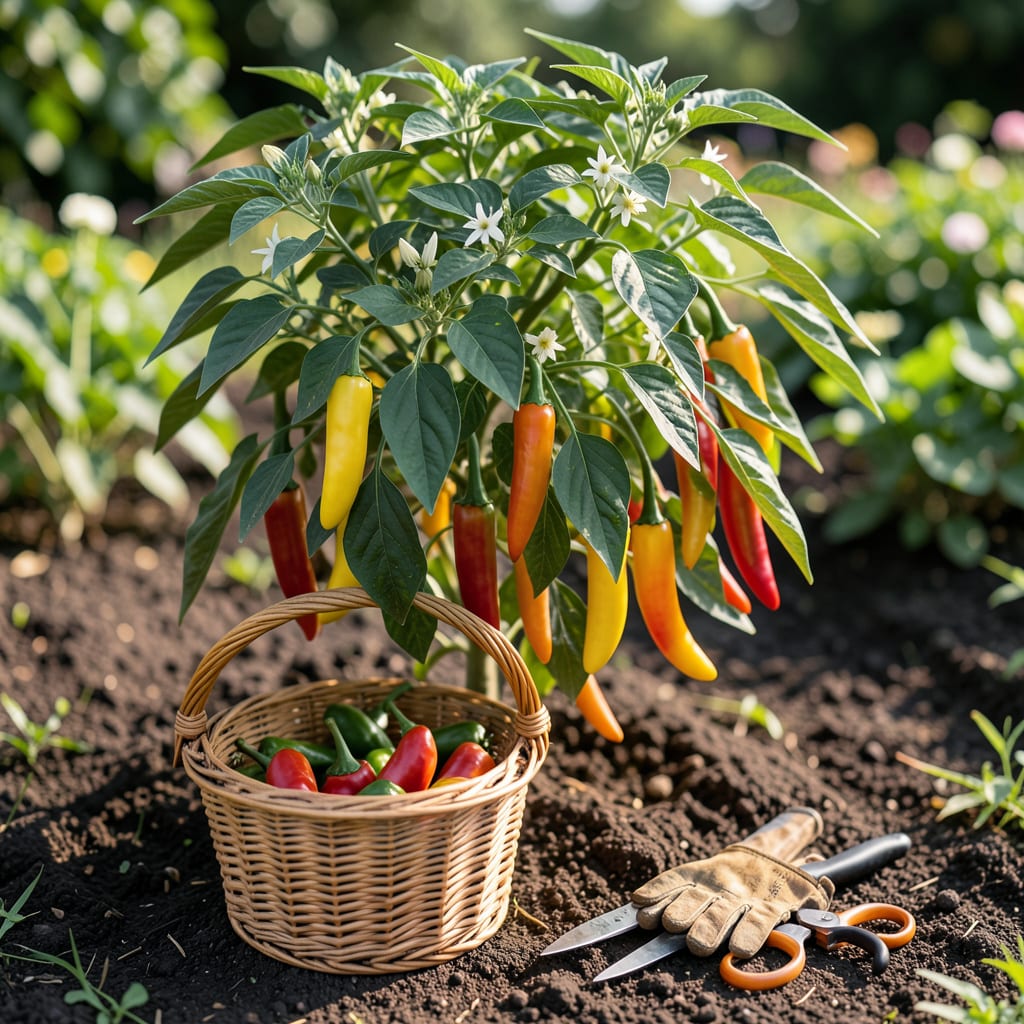
Knowing exactly when to harvest your 🌶️ Hot Banana Peppers can transform your dishes from mild to fiery. These vibrant peppers change dramatically as they ripen.
I’ll show you the key visual cues and timing to pick them at peak flavor. From color shifts to size, you’ll never second-guess your harvest again.


I’ve found that hot banana peppers go through distinct color stages as they mature, starting with a bright green hue in their early growth phase. This initial color indicates they’re still developing and not yet ready for harvest.
As the peppers grow, they transition to a pale yellow shade, signaling they’re nearing ripeness but may still lack full heat and flavor. This is a great time to start monitoring them closely.
| Stage | Color | Size | Ripeness |
|---|---|---|---|
| Early | Green | 2-4 inches | Not ready |
| Mid | Pale Yellow | 4-6 inches | Almost ready |
| Peak | Bright Yellow | 6-8 inches | Ready to pick |
| Late | Orange/Red | 8+ inches | Overripe |
The ideal harvest time is when the peppers turn a vibrant yellow and reach about 6-8 inches in length. At this stage, they’re firm to the touch and have a glossy sheen, indicating peak ripeness and maximum heat.
If left on the plant longer, they’ll turn orange or red, which means they’re overripe. While still edible, their flavor may be less balanced, and the texture can become softer.
I always check the stem condition too. A dry stem that snaps easily when bent is another sign your peppers are ready. This is a simple but effective test I use in my garden.
The texture of the pepper is crucial. A ripe banana pepper should feel smooth and firm, not wrinkled or soft. If it gives slightly under pressure, it’s perfect for picking.
For the best results, I recommend harvesting in the morning when the peppers are at their freshest. This timing helps preserve their flavor and crispness.
Remember, size matters but isn’t the only factor. Even if a pepper reaches the right length, if it’s still green, it’s not quite ready. The color change is the most reliable indicator.
By paying attention to these visual and tactile cues, you’ll ensure every hot banana pepper you pick is at its peak. Happy gardening! 🌱
Beyond just looking at color and size, I use a few simple tests to confirm my hot banana peppers are ready. The first is the firmness check—gently squeeze the pepper to feel for a solid texture.
Another reliable method is the stem test. If the stem snaps easily when bent, your pepper is likely at peak ripeness. This works best when combined with the visual cues we discussed earlier.
3 Ways to Test Ripeness:
I also pay attention to the glossy sheen on the pepper’s skin. A ripe banana pepper will have a shiny appearance, which is a great sign it’s ready to pick. Dull skin often means it’s not quite there yet.
For the most accurate results, I recommend testing a few peppers at different stages. This helps you get a feel for what perfect ripeness looks and feels like in your garden.
Timing your harvest in the early morning can also make a difference. Peppers picked then tend to be crispier and retain their flavor better than those harvested later in the day.
Remember, consistency is key. Once you find a pepper that meets all these criteria, the others at the same stage are likely ready too. This method ensures you get the best flavor and heat from every harvest.
With these tests, you’ll never have to guess when your peppers are perfect. Happy harvesting! 🌿
I’ve seen gardeners make simple errors that cost them a great harvest. One common mistake is picking hot banana peppers too early when they’re still green. This results in a milder flavor and less heat.
Another issue is using dull tools to harvest. This can damage the plant and reduce future yields. Always use sharp pruners or scissors for a clean cut.
⚠️ Warning: Avoid harvesting during wet conditions. Wet peppers can develop mold or rot, ruining your harvest.
Ignoring the weather forecast is another pitfall. Picking before a rain storm prevents waterlogged peppers. I always check the weather and plan my harvest for dry mornings.
Some gardeners also overlook the pepper’s stem. If the stem is still green and flexible, the pepper isn’t ready. A dry, brittle stem is a clear sign it’s time to harvest.
Finally, don’t forget to check the size. Even if the color is right, a pepper under 6 inches may not be fully mature. Combine size and color checks for the best results.
By avoiding these mistakes, you’ll ensure a bountiful harvest of perfectly ripe peppers every time. Happy gardening! 🌿
Peppers turning orange or red have passed their peak. While still edible, they may be softer with less balanced flavor. Harvest before this stage for best results.
Pale yellow peppers are nearly ready but may lack full heat. For maximum flavor and spice, wait until they reach a vibrant yellow and feel firm.
Harvest in the early morning when peppers are crispest. This timing helps preserve their flavor and texture better than later in the day.
Green peppers are immature, while yellow ones are ripe. The color change happens as they mature, so check each pepper individually for readiness.
