
Beautiful Plants For Your Interior
Beautiful Plants For Your Interior
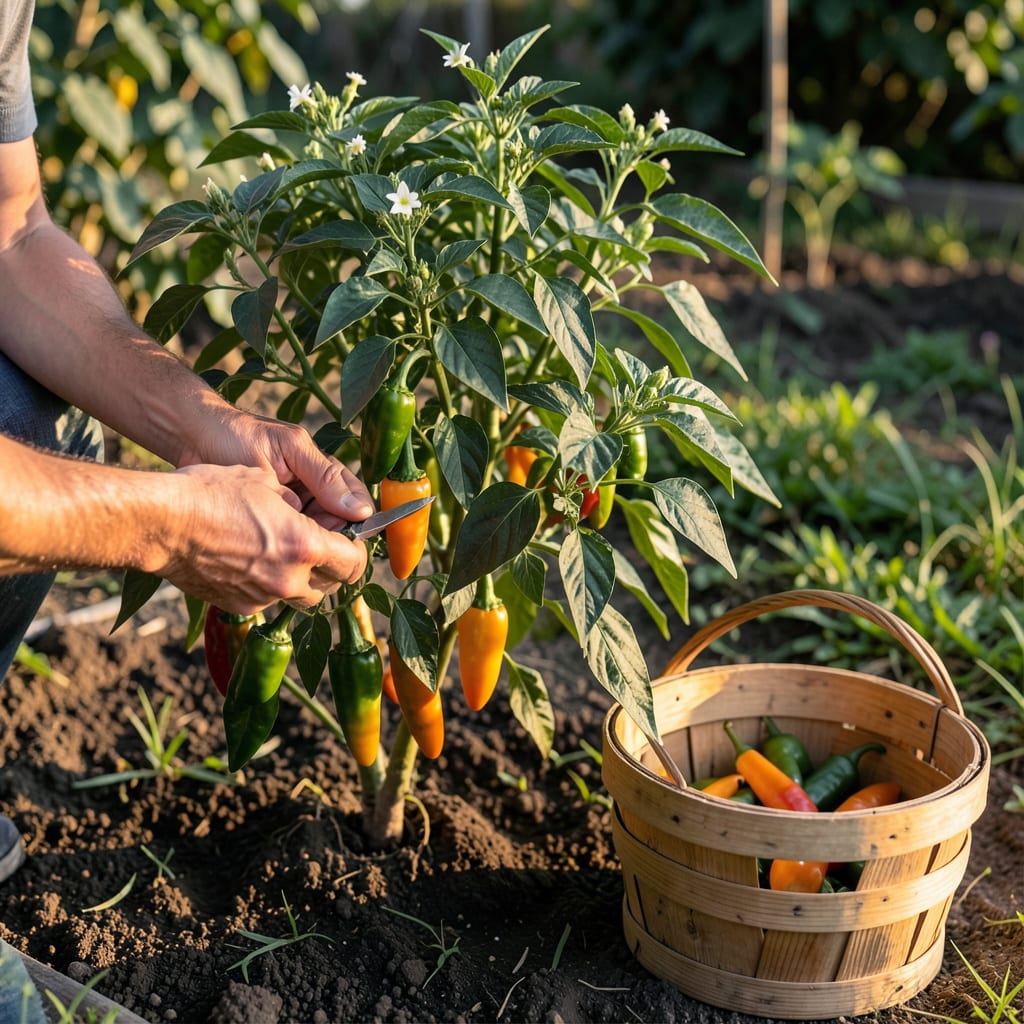
I remember the first time I grew Habanero Pepper 🌶️ – I nearly picked them too soon. That colorful transformation from green to vibrant orange or red is your biggest clue.
Waiting for that perfect moment means maximum heat and flavor. Let me show you the simple signs that tell you they’re ready to come off the plant.


Growing habanero peppers is a rewarding experience, but patience is key. These fiery peppers typically take 90-120 days to reach full maturity from planting. The timeline can vary based on climate conditions and care practices.
In warmer climates like USDA Zone 9b, you might see faster growth. Cooler regions may extend the timeline slightly. Proper soil preparation and consistent watering schedules also play crucial roles in development. 🌱
| Stage | Duration | Key Development |
|---|---|---|
| Germination | 7-14 days | Seeds sprout with proper warmth |
| Seedling | 6-8 weeks | Develops true leaves indoors |
| Transplant | 2 weeks | Acclimates to outdoor conditions |
| Flowering | 4-6 weeks | White flowers appear |
| Fruit Set | 2-3 weeks | Small green peppers form |
| Maturation | 6-8 weeks | Color changes to orange/red |
The germination stage is critical for habaneros. They need warm soil (at least 70°F) to sprout. I always use a heat mat indoors to ensure success during early spring planting.
Once transplanted, your habanero plants will focus on root development. This is when they need consistent moisture but not waterlogging. A drip irrigation system works wonders for maintaining even soil moisture.
The flowering stage is exciting as it signals the start of fruit production. Habaneros produce white flowers that are self-pollinating. Be gentle with the plants during this phase to avoid disturbing the blossoms. ☀️
After pollination, you’ll see small green peppers forming. These will grow rapidly over the next few weeks. The color change from green to vibrant orange, red, or yellow is your clearest sign that harvest time is near.
Remember that days to maturity counts from transplanting, not seeding. If you started seeds indoors, add those 8-10 weeks to your total timeline. This is why habaneros do best in regions with long growing seasons.
Climate plays a huge role in your habanero timeline. In hotter climates, peppers may mature faster. Cooler temperatures can slow growth significantly. I’ve found that container growing helps in areas with shorter seasons.
For the best results, monitor your plants daily as they approach maturity. The final color change often happens quickly, sometimes overnight. Being ready to harvest at the right moment ensures peak flavor and maximum heat in your peppers. 🌿
Identifying ripe habanero peppers is all about observing color changes and texture cues. These peppers typically start green and transition to vibrant orange, red, or yellow as they mature.
Beyond color, I look for a glossy skin and firm texture. A ripe habanero should feel solid to the touch with no soft spots or wrinkles.
I’ve found that size matters too. Most habaneros reach 1-2.5 inches long when fully mature. If they’re still small and green, they need more time on the vine.
The stem condition is another telltale sign. A brown stem often indicates ripeness, while a green stem means the pepper isn’t ready yet. Always check the connection point for color changes.
One common mistake I see is picking too early. Immature habaneros lack the full heat and flavor complexity that make these peppers so special. Patience pays off with a better harvest every time.
On the flip side, leaving them too long can lead to over-ripening. You’ll notice the skin becomes wrinkled or soft, which affects both taste and storage life. ☀️
Timing your habanero harvest perfectly makes all the difference. Pick them too early, and you’ll miss out on that signature fiery heat and complex flavor these peppers are famous for.
Habaneros develop their full capsaicin content in the final ripening stages. Early picking often results in milder peppers that lack the depth gardeners crave. 🌱
I’ve learned that late harvesting has its own issues. Overripe habaneros develop wrinkled skin and may even start to ferment on the vine, which ruins their freshness.
The shelf life suffers too. Properly ripe habaneros can last 2-3 weeks in the fridge, while underripe ones spoil faster. Overripe peppers often develop mold issues within days. ✂️
For the best results, I check my plants daily as they near maturity. The color change can happen overnight, so staying vigilant ensures I never miss that perfect window for picking.
Habaneros typically take 90-120 days from transplanting to reach full maturity. The exact time depends on climate, with warmer areas often seeing faster ripening.
You can, but green habaneros lack full heat and flavor. For the best taste and spice, wait until they turn vibrant orange, red, or yellow. Patience pays off with better results.
Overripe peppers may develop wrinkled skin or start fermenting. Their shelf life shortens, and they can become soft or moldy within days.
Check for a glossy skin, firm texture, and full size of 1-2.5 inches. The stem turning brown is another reliable sign of ripeness.
