
Beautiful Plants For Your Interior
Beautiful Plants For Your Interior
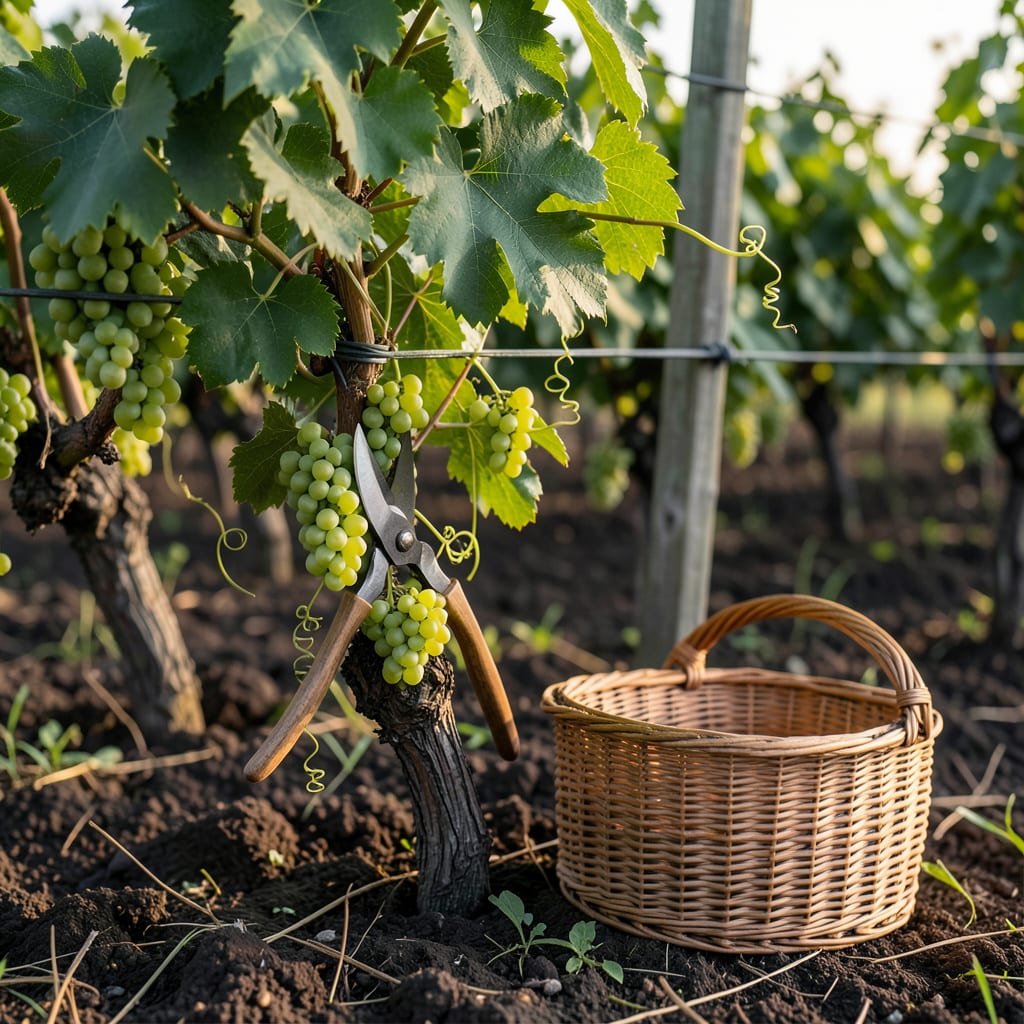
Picking Green Grapes 🍇 at the perfect moment ensures the sweetest flavor and best texture. It’s not just about waiting—it’s about knowing what to look for.
From color shifts to subtle texture changes, I’ll show you the key signs that your vines are ready. Let’s make sure you harvest at just the right time.


Identifying the perfect harvest time for green grapes starts with observing their color transformation. Unlike red varieties, green grapes won’t turn dark—they’ll develop a translucent, slightly golden hue when ripe.
Another key indicator is the stem color. As grapes mature, the stems transition from bright green to a woody brown, signaling the cluster is nearing peak ripeness.
| Sign | Unripe | Ripe |
|---|---|---|
| Color | Opaque green | Translucent, golden |
| Stem | Bright green | Dry, brown |
| Texture | Firm, hard | Plump, slightly soft |
| Cluster | Tight berries | Looser, fuller |
Examine the grape texture—ripe green grapes will feel plump and springy when gently squeezed, while unripe ones remain hard and firm. This change happens as sugar content increases.
The cluster appearance also changes. Unripe bunches have tightly packed berries, but as they ripen, the grapes expand slightly, creating natural gaps in the cluster.
Don’t overlook the aroma. Ripe green grapes emit a sweet, fruity fragrance near the stem, while unripe clusters smell grassy or neutral. This scent test works best in morning hours. 🌿
A subtle but reliable sign is the bloom—the natural white powder on the skin. It becomes more pronounced as grapes ripen, giving them a slightly dusty appearance that’s completely normal.
Check the seed color by cutting open a sample grape. In ripe green varieties, seeds turn from white to brown. This change confirms the internal ripening process is complete.
Finally, observe the leaves near clusters. They often start to yellow slightly when grapes are ready, as the vine redirects energy from foliage to fruit maturation. ☀️
Remember that weather conditions can accelerate or delay these signs. A heatwave may speed up ripening, while cool temperatures or excess rain can slow it down. Always cross-check multiple indicators.
Testing green grape ripeness goes beyond just looking—taste and texture are your best guides. I always sample a few berries from different parts of the cluster to check for consistent sweetness and softness. If they’re still tart or firm, they need more time on the vine.
For the most accurate results, pick a sun-exposed berry and a shaded berry to compare. Both should taste sweet and feel plump. If the seeds are still green or white, the grapes aren’t ready yet—they’ll turn brown when fully ripe.
Another trick I use is the aroma test. Ripe green grapes have a sweet, fruity scent near the stem. If there’s no smell, they likely need more time. This works especially well with Thompson Seedless or other popular varieties.
Timing matters too—harvest in the morning when grapes are cool and firm. Avoid picking after rain, as excess moisture can dilute flavor. I’ve found that cool, dry mornings give the best results for both taste and storage.
If you’re still unsure, check the stem color. As grapes ripen, the stems transition from green to brown. This visual cue, combined with taste and texture, gives me confidence I’m picking at the peak of ripeness.
Remember, green grapes don’t continue ripening after picking, so patience is key. Waiting those extra few days often makes the difference between good and outstanding flavor. ☀️
Even experienced gardeners make common harvesting errors that can ruin a green grape crop. I’ve learned the hard way that picking too early or too late affects both flavor and storage potential.
One major mistake is harvesting after heavy rain. Excess moisture dilutes the sugar content and can cause berries to split. Always wait for dry conditions to return before picking.
Don’t pick in heat: Harvest in cool morning hours to preserve freshness and prevent wilting of the clusters.
Don’t rush ripening: Green grapes won’t continue to ripen after picking, so patience is essential for the best flavor.
Don’t ignore stem checks: Brown, dry stems indicate ripeness—green stems mean the grapes need more time on the vine.
Another frequent error is using dull tools or pulling clusters by hand. This can bruise the fruit or damage the vine structure. Always use sharp pruners and cut the stem cleanly.
Timing your harvest for the wrong part of the day also impacts quality. I always aim for early morning when temperatures are cool, ensuring the grapes retain their firm texture and sweet flavor. 🌿
Finally, don’t overlook the cluster’s condition. If you see mold or rot on any berries, remove the entire cluster immediately to prevent the spread to other grapes. Healthy clusters should look uniformly plump and free of blemishes.
Sample a few berries from different parts of the cluster. Ripe ones will taste sweet with no tartness. If they’re still sour, wait 2-3 days and test again.
No, wait until stems turn brown and dry. Green stems mean the grapes aren’t fully mature. This visual cue is as important as color or texture.
Pick in the early morning when grapes are cool and firm. Avoid harvesting after rain or during hot afternoon hours.
No, unlike some fruits, green grapes won’t ripen further after harvest. They must fully mature on the vine for the best flavor.
