
Beautiful Plants For Your Interior
Beautiful Plants For Your Interior
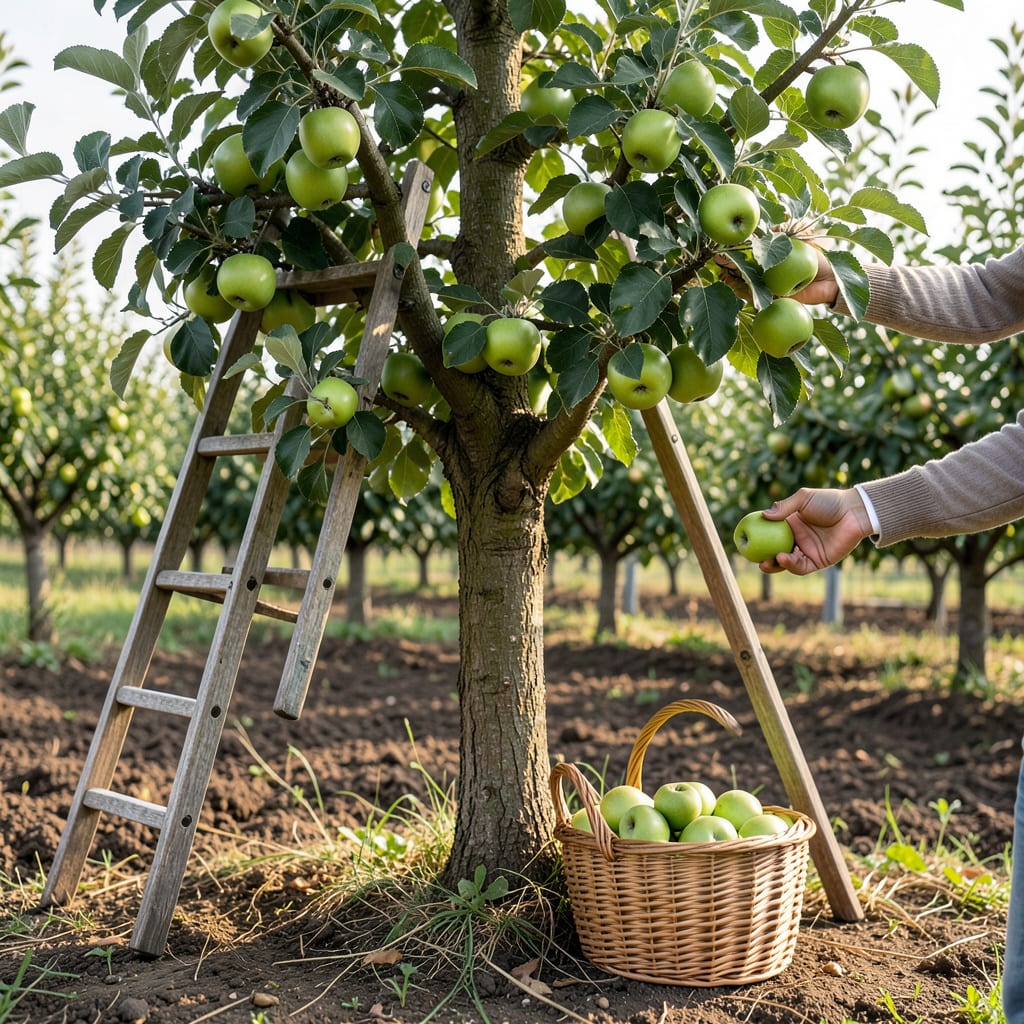
Nothing beats the crisp, tart flavor of a perfectly ripe Granny Smith Apple 🍏 fresh from your own tree. But how do you know when they’re ready to pick?
I’ll show you the key signs to look for, from color changes to the simple twist test. You’ll be harvesting at just the right moment for the best flavor and storage life.


Timing your Granny Smith apple harvest perfectly starts with knowing their growing season. These tart, crisp apples typically ripen 150-180 days after blooming, usually in late September to October. 🌳
The first sign I look for is color change. Granny Smiths transition from pale yellow-green to a vibrant, deep green as they mature. But color alone isn’t enough—you’ll want to check other indicators too. 🌿
| Stage | Sign | Timing |
|---|---|---|
| Early Ripening | Fruit turns fully green | 120-140 days after bloom |
| Peak Ripeness | Seeds dark brown, firm with slight give | 150-180 days after bloom |
| Harvest Ready | Twists easily from stem | September-October |
Regional climate plays a role too. In warmer zones (7-9), Granny Smiths may ripen 2-3 weeks earlier than in cooler areas like Zone 5. I always check the local frost dates—harvest before the first frost for best results. ☀️
Another reliable test is the twist method. Gently twist the apple upward—if it separates cleanly from the branch with the stem intact, it’s ready. If it resists, leave it for another week. ✂️
The seed examination is my go-to for confirmation. Cut open an apple and check the seeds. When they’re dark brown (not white or light), the fruit is at peak ripeness. This is especially useful for storage apples. 🌱
Don’t overlook the aroma test. Ripe Granny Smiths develop a sweet-tart scent near the stem. If you don’t smell anything, they likely need more time on the tree. 🌿
For those in drought-prone areas, water stress can delay ripening. Ensure your tree gets 1-2 inches of water weekly during the growing season, tapering off as harvest nears. 💧
If you’re growing dwarf or semi-dwarf varieties, they may ripen slightly earlier than standard trees. Always taste-test a few apples from different parts of the tree, as sun exposure can affect ripening speed. ☀️
Finally, remember that Granny Smiths continue to ripen slightly off the tree, but they’re best picked at peak maturity for that signature crisp texture and tangy flavor we all love. 🌳
Once you’ve spotted the visual signs of ripening, it’s time to confirm with hands-on tests. I always start with the twist test—gently rotate the apple upward while holding the branch. ✂️
If it detaches cleanly with the stem intact, it’s ready. If it resists or the stem breaks, leave it for 5-7 more days. This method works because the fruit naturally loosens as it ripens. 🌿
The seed examination is foolproof. Slice an apple open and inspect the seeds—dark brown means it’s ripe, while light-colored seeds mean it needs more time. I use this for apples I plan to store. 🌱
For a quick check, the taste test never fails. Granny Smiths should be tart with a hint of sweetness and incredibly crisp. If it’s still very hard or overly sour, wait a week and test another. 🌳
Don’t forget the aroma test. A ripe Granny Smith will have a distinct sweet-tart fragrance near the stem end. If there’s no smell, it’s not ready yet. This is especially useful for high branches. ☀️
Finally, check firmness by gently pressing the apple. It should have a slight give but still feel firm. Overly soft apples may be overripe, while rock-hard ones need more time. 💧
Harvesting Granny Smith apples at the wrong time can ruin their flavor and texture. One common mistake I see is picking too early—apples that are still yellowish or hard won’t develop their signature tartness. 🌳
Another error is using improper tools. Never pull apples directly from the branch—this can damage the tree and the fruit. Instead, use pruning shears or gently twist the apple upward. ✂️
⚠️ Avoid These Harvest Mistakes:
• Harvesting too early—leads to sour, underdeveloped flavor
• Ignoring weather—picking in rain or frost ruins storage life
• Using dull tools—can crush stems and invite disease
Ignoring weather conditions is another pitfall. Harvesting during or after rain or frost can lead to rot or poor storage. Aim for a dry, sunny day for the best results. ☀️
Many gardeners also overlook the stem check. If the stem breaks when you twist, the apple isn’t ready. A clean separation with the stem intact means it’s perfect for picking. 🌿
Finally, don’t overlook storage prep. Granny Smiths store best when picked with their stems and leaves intact. Handle them gently to avoid bruising, which shortens their shelf life. 🪴
They should be a vibrant, deep green all over, not yellowish. A uniform color without pale spots signals peak ripeness for picking.
Gently twist an apple upward. If it separates cleanly with the stem intact, it’s ready. Resisting apples need 5-7 more days.
Yes, harvest before the first frost to prevent damage. Granny Smiths will continue ripening off the tree if stored properly at room temperature.
Apples on the sunny side or outer branches often ripen faster. Always check fruit from different parts of the tree for consistent readiness.
