
Beautiful Plants For Your Interior
Beautiful Plants For Your Interior
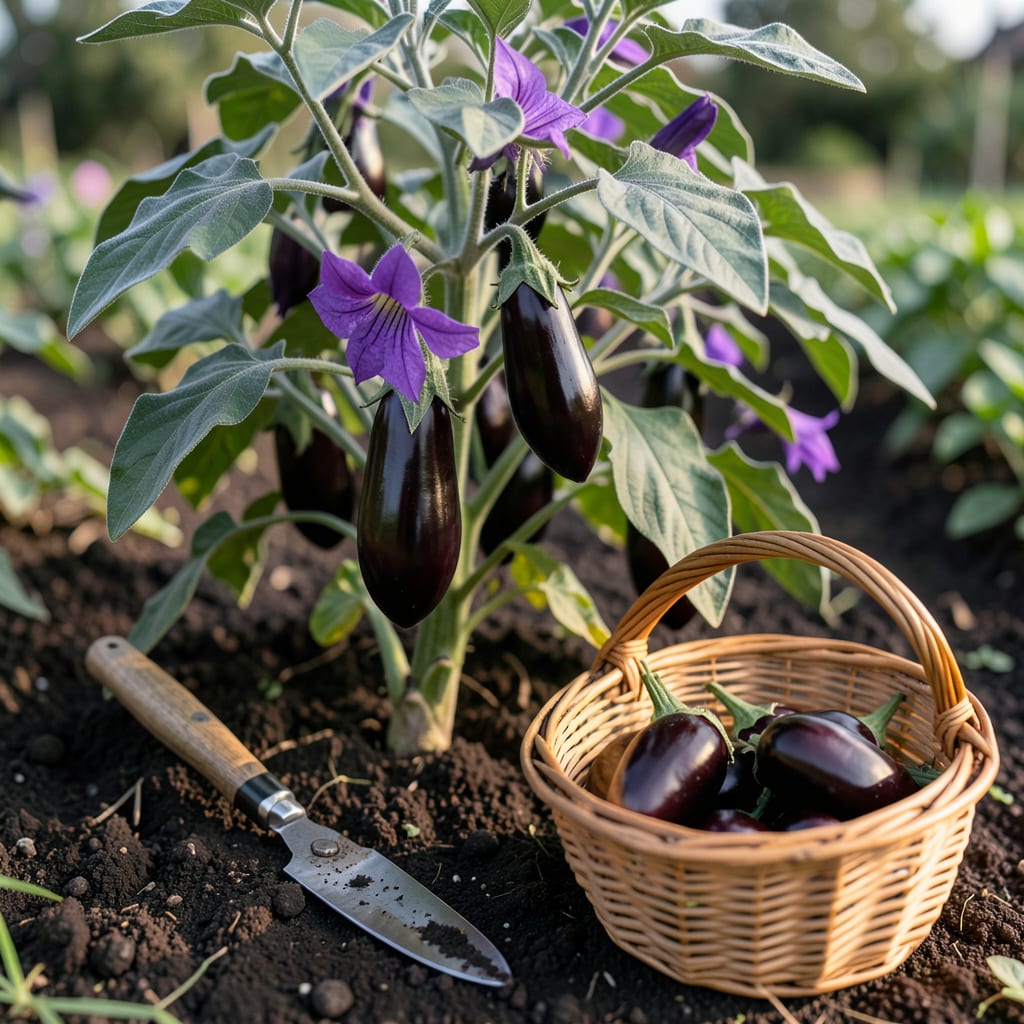
I remember the first time I picked an eggplant too early – the bitterness was unforgettable. With 🍆 Eggplant, timing is everything for that perfect flavor and texture we all crave.
From glossy skin to firm touch, there are clear signs your Eggplants are ready. I’ll show you exactly what to look for, so you never make that bitter mistake again.


I always watch for that perfect moment when my eggplants transform from stubborn green orbs to glossy, deep-purple treasures. The first sign is color—most varieties shift from dull green to a rich, vibrant hue. This change signals the fruit is nearing peak ripeness and flavor development.
Next, I check the skin texture. A ready eggplant should have a smooth, shiny surface that reflects light. Dull skin often means it’s not quite there yet, while wrinkled skin can indicate it’s past its prime. This visual cue is especially important for darker varieties like Black Beauty. 🌱
✅ Eggplant Ripeness Indicators
| Sign | Description |
|---|---|
| Color Change | Deep, vibrant purple or variety-specific hue |
| Glossy Skin | Shiny surface reflecting light |
| Firm Texture | Slightly spongy but springs back |
| Size | 6-8 inches long for most varieties |
| Stem Color | Green and fresh-looking |
Size matters too. For most standard eggplants, I look for fruits that are 6-8 inches long and 4-6 inches in diameter. Smaller varieties like Japanese eggplants are ready at about 2-3 inches in diameter. Always check your seed packet for variety-specific guidelines.
The stem offers another clue. A fresh green stem means the fruit is still actively growing and at its best. If the stem turns brown or woody, the eggplant may be overripe. I gently press the fruit—it should feel firm but yield slightly, like a ripe avocado. ✂️
Don’t forget to consider the weight. A ripe eggplant feels heavy for its size, indicating it’s full of moisture and flavor. Compare similar-sized fruits from the same plant to spot the heaviest ones. This simple test helps me avoid picking underripe specimens.
For white or striped varieties, the color change is different. Rosa Bianca eggplants develop a creamy white with lavender blush when ready. The same glossy skin rule applies—dullness means it’s not time yet. I’ve found these varieties often ripen a bit earlier than dark purple ones.
Timing also depends on your growing conditions. In hotter climates, eggplants may mature 5-10 days faster than in cooler areas. I track my planting date and expect harvest about 70-90 days later for most varieties. Keeping a garden journal helps me fine-tune this each season.
The thumb test is my final check. I press my thumb gently into the fruit—if it leaves a slight indentation that springs back, it’s perfect. If it doesn’t spring back, it’s overripe. If there’s no indentation, it needs more time. This tactile test works alongside the visual signs for confirmation. 🌿
Remember, eggplants continue ripening off the vine, but they won’t improve in flavor once picked. That’s why I prioritize these visual and tactile cues over strict timelines. The plant often gives the clearest signals if you know what to look for.
I never harvest an eggplant without doing these simple field tests first. The thumb press test is my go-to—gently press your thumb into the fruit. If it leaves a slight indentation that springs back, it’s ready. No indentation means it needs more time.
Another reliable method is the weight check. A ripe eggplant feels heavy for its size, indicating it’s full of moisture and flavor. I compare similar-sized fruits from the same plant to spot the heaviest ones. This simple test helps me avoid picking underripe specimens. 🌱
📋 Field Tests for Eggplant Ripeness
The sound check is less known but effective. Tap the eggplant lightly with your knuckle—ripeness often produces a hollow sound. A dull thud might mean it’s not quite ready. This works best with larger varieties like Black Beauty.
A common mistake is waiting too long. Overripe eggplants develop dull skin, soft spots, and bitter seeds. I’ve learned that when in doubt, it’s better to harvest a little early than too late. Eggplants continue ripening off the vine but won’t improve in flavor.
For Japanese eggplants, the tests are slightly different. These slender varieties are ready when they reach 8-10 inches long and their skin turns glossy deep purple. The thumb test still works, but they’re more delicate, so press gently.
I always check the stem connection too. If the eggplant comes off the plant with just a gentle twist, it’s ready. If it resists, give it more time. This natural separation is nature’s way of telling you it’s harvest time. ✂️
Remember, these tests work best in optimal conditions. Hot weather can speed up ripening, while cool temperatures may delay it. I adjust my testing frequency based on the season and monitor my plants closely as harvest time approaches. 🌿
I’ve learned that harvest timing varies significantly between eggplant varieties. For classic Black Beauty, expect fruits in 70-90 days from transplanting. These large, purple orbs typically reach 6-8 inches when ready for picking.
In my garden, Ichiban eggplants mature faster—often in just 60-70 days. Their slender shape and glossy skin make them easy to spot when ripe. I check these more frequently since they can go from perfect to overripe quickly in hot weather. 🌱
🌿 Eggplant Variety Harvest Guide
| Variety | Days to Harvest | Ready Size |
|---|---|---|
| Black Beauty | 70-90 days | 6-8 inches |
| Ichiban | 60-70 days | 8-10 inches |
| Rosa Bianca | 75-85 days | 4-6 inches |
Climate impacts harvest timing too. In hotter regions, I’ve seen eggplants mature 5-10 days faster. Cooler areas may extend the timeline. I always adjust my expectations based on the season’s temperatures and my plants’ growth rate.
Soil conditions play a role as well. Well-draining, fertile soil with consistent moisture helps eggplants reach maturity faster. I make sure my plants have 6-8 hours of sun daily for optimal development. Without proper sun, the fruits may take longer to ripen. ☀️
I’ve noticed that container-grown eggplants often ripen slightly faster than those in ground soil. The controlled environment and warmer root zone seem to speed up the process. Just be sure to monitor moisture levels closely in pots.
Overripe eggplants have dull skin, soft spots, or wrinkled surfaces. The seeds inside may turn brown and become bitter. A hollow sound when tapped can also indicate it’s past its prime.
No, color varies by type. Rosa Bianca turns creamy white with lavender blush, while Japanese eggplants stay deep purple. Always check your variety’s specific ripeness signs rather than color alone.
Yes, pick all mature eggplants before the first frost. Even slightly underripe ones can ripen indoors at room temperature. Eggplants cannot tolerate frost, so harvest promptly when cold weather threatens.
Lightweight eggplants are usually underripe or suffering from inconsistent watering. Check that they’re receiving 1-2 inches of water weekly. A ripe eggplant should feel heavy and firm.
