
Beautiful Plants For Your Interior
Beautiful Plants For Your Interior
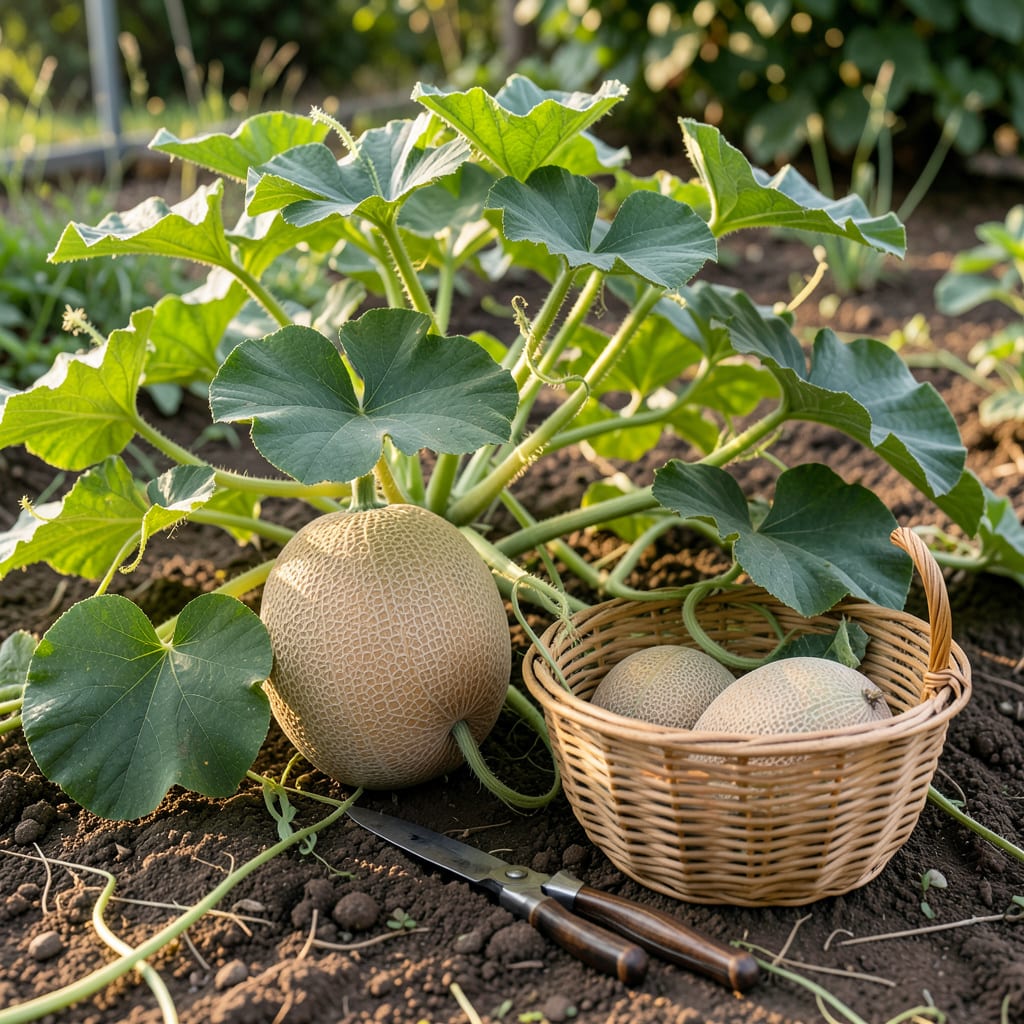
Nothing beats biting into a perfectly ripe 🍈 Cantaloupe — but timing that harvest right is the trick. Wait too long or pick too soon, and you’ll miss out on that sweet, juicy reward.
I’ll show you the most important signs to watch for, so you’ll know exactly when your melons are ready to come off the vine. Let’s make this season your best yet.
Timing your cantaloupe harvest depends heavily on where you’re growing. In warmer USDA zones 7-11, expect melons 75-85 days after planting, often from July to September. Cooler zones may need a head start indoors to hit the same window.
Southern states with long, hot summers can sometimes produce two harvests—one in early summer and another in fall. Northern gardeners should focus on fast-maturing varieties to beat the first frost.
| Region | Planting Time | Harvest Window | Days to Maturity |
|---|---|---|---|
| Southern US | March-April | June-August | 75-80 |
| Midwest | May-June | August-September | 80-85 |
| Northern US | Late May | September | 85-95 |
Early planting in warm climates can yield melons by late spring. However, cool soil below 70°F slows germination, so wait for consistent warmth. I always use black plastic mulch to speed up soil heating in spring.
In short-season areas, choose varieties like ‘Minnesota Midget’ or ‘Early Silver Line’ that mature in 70-75 days. These are bred to thrive where summers are brief but intense.
Weather fluctuations can delay or accelerate ripening. A heatwave may speed up maturity, while cool, rainy spells can stall growth. Keep an eye on the 10-day forecast as your melons near readiness.
If you started seeds indoors, add 2-3 weeks to the typical timeline. Transplants need time to acclimate, but they’ll catch up quickly in ideal conditions. I’ve found this method extends the season in cooler zones.
For the sweetest cantaloupes, aim for a harvest during dry, sunny weather. Excess rain just before picking can dilute sugars, reducing flavor. A drip irrigation system helps control moisture levels perfectly.
Remember, these are general guidelines. Your microclimate—like a sunny south-facing slope or a sheltered garden nook—can create unique growing conditions. Observe your plants closely as they mature.
I’ve learned that vine health and fruit load also affect timing. Overcrowded plants or those struggling with pests may take 5-10 days longer to produce ripe melons. Keep your garden thriving for the best results.
Picking cantaloupes at peak ripeness ensures the best flavor and texture. I always look for multiple signs rather than relying on just one, as this gives the most accurate indication of readiness.
The most reliable signal is the stem slip. When a cantaloupe is ripe, the stem will detach easily from the vine with just a gentle tug. This is called the full slip stage.
🌱 5 Ripeness Signs for Perfect Harvest
Another key indicator is the rind color. As cantaloupes mature, the area beneath the netting changes from green to tan or beige. This color shift is especially noticeable on the side opposite the stem.
The netting pattern also becomes more pronounced. On ripe melons, the netting appears raised and corky, rather than smooth. This texture change helps protect the fruit and signals maturity.
I always check the blossom end (the side opposite the stem). When ripe, this area will yield slightly to gentle pressure. Use your thumb to test—it should give just a little, like a ripe avocado.
The final sign is the aroma. Ripe cantaloupes emit a sweet, musky fragrance at the stem end. If you don’t smell anything, the melon likely needs more time on the vine.
Remember, these signs work together. A cantaloupe with full stem slip and tan netting but no aroma might not be fully ripe. I recommend checking all indicators for the best results
Early morning is the ideal time to harvest, as the fruits are at their firmest. Use clean pruning shears or twist gently by hand if the stem has fully slipped
Picking your cantaloupes at the wrong time can ruin weeks of hard work. I’ve learned that underripe melons lack sweetness and have a firm, bland texture that no amount of ripening off the vine can fix.
On the other hand, overripe cantaloupes become mushy, develop a fermented smell, and spoil quickly. The window for perfect ripeness is narrow, so timing your harvest is critical for the best flavor and storage life.
🌱 Harvest Timing: Pros and Cons
If you’ve picked an underripe cantaloupe, all isn’t lost. I’ve had success leaving them at room temperature for 2-3 days to soften slightly. However, they won’t develop the same sweetness as vine-ripened fruit.
For slightly overripe melons, immediate refrigeration can buy you 2-3 extra days. Cut them open and use quickly, as they’ll continue to soften. I recommend checking vines daily as harvest time approaches to catch them at the perfect moment.
To maintain freshness after harvest, store cantaloupes at 45-50°F with 85-90% humidity. Whole melons will keep for 7-10 days, while cut fruit should be eaten within 3-4 days for best quality. ☀️
Most varieties reach maturity in 75-85 days after planting, though this can vary by climate. Warmer regions often see faster growth, while cooler areas may need up to 95 days.
Yes, but they won’t develop the same sweetness off the vine. If picked too early, the texture stays firm and flavor remains bland. For best results, wait for the stem slip and tan rind.
Early morning is ideal, as fruits are at their firmest. This helps prevent bruising and extends storage life. Use clean pruning shears or twist gently if the stem has fully slipped.
Overripe melons become mushy, emit a fermented odor, and spoil quickly. Check for soft spots or an overly strong smell at the stem end. Harvest promptly once signs of ripeness appear.
