
Beautiful Plants For Your Interior
Beautiful Plants For Your Interior
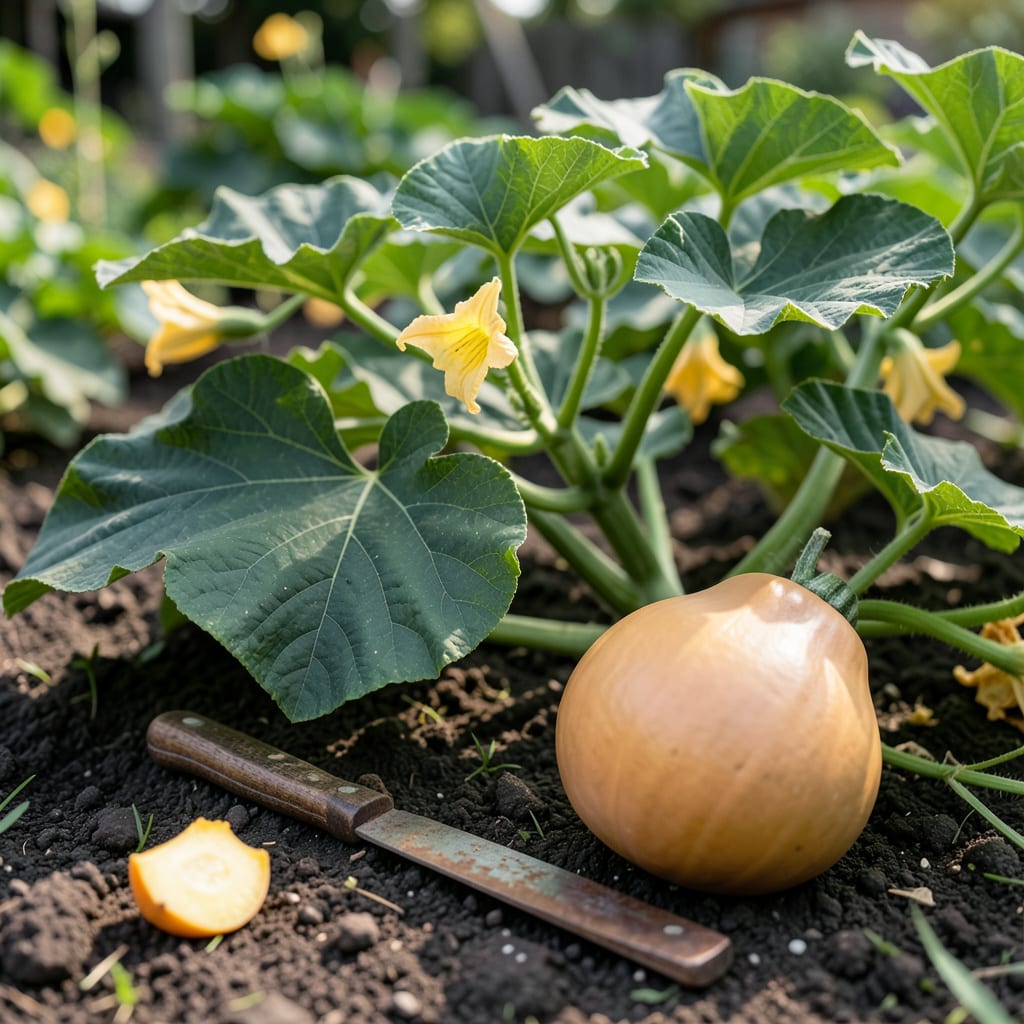
Nothing beats the satisfaction of growing your own 🎃 Butternut Squash, but timing the harvest can be tricky. Picking too soon means bland flavor, while waiting too long risks spoilage.
I’ll show you how to spot the subtle signs that your crop is at peak ripeness. Discover the foolproof rind test and other visual cues that guarantee perfect flavor and storage life.


The rind hardness test is my go-to method for determining if butternut squash is ready. Unlike color or size, this foolproof indicator reveals true maturity with just a simple press of your fingernail.
When the rind resists puncture and feels hard to the touch, your squash has reached its peak. This means the inner flesh has developed its full sweetness and texture for optimal storage.
| Maturity Sign | Description |
|---|---|
| Rind Hardness | Cannot be punctured with fingernail |
| Color Change | Deep tan, not green or shiny |
| Stem Condition | Dry and woody, not green |
I always start by pressing my fingernail into the rind. If it leaves no mark, the squash is ready. This test works better than color alone since some varieties stay slightly green even when mature.
For the most accurate results, perform this test on the side of the squash facing away from the sun. The sun-exposed side may harden prematurely, giving false readings for the rest of the fruit.
Butternut squash typically reaches this hard-rind stage between 85-100 days after planting. However, I’ve found that cool weather can extend this timeline by a week or two.
The rind’s transformation from shiny to dull is another sign to watch for. When combined with hardness, this visual cue confirms maturity. I check both factors before making my final decision.
Remember that over-mature squash may develop soft spots or cracks. If you notice these, harvest immediately to prevent spoilage or pest damage.
I’ve learned that morning harvesting is ideal. The squash is firmer then, making it easier to assess rind hardness accurately before the day’s heat sets in.
Finally, always use clean pruning shears to cut the stem, leaving 1-2 inches attached. This prevents damage that could lead to early spoilage during storage.
With these rind hardness techniques, you’ll never question if your butternut squash is ready for harvest again 🌱
While the rind hardness test is my top method, I always check for additional visual cues before harvesting. These secondary signs help confirm that my butternut squash is truly at its peak.
One of the first things I look for is a color change from green to a deep tan. This transformation typically starts at the base and works its way up as the squash matures.
The stem condition is another reliable indicator. When it dries out and turns brown and corky, it’s a clear sign that the squash is nearing harvest time. I avoid harvesting while the stem is still green and flexible.
I also watch for vine dieback, which naturally occurs as the plant completes its life cycle. When the leaves start yellowing and the vines begin to wither, it’s nature’s way of saying the squash is ready.
Size matters too. Most butternut squash varieties reach 8-12 inches in length when mature. However, I focus more on the other signs since size can vary by variety and growing conditions.
Finally, I check the overall appearance. A mature butternut squash should have a uniform shape and feel heavy for its size. These combined signals give me confidence that it’s time to harvest my crop 🌿
Timing your harvest perfectly ensures the best flavor and longest storage life. But even experienced gardeners make mistakes that can ruin their crop. I’ve learned the hard way to avoid these common pitfalls.
⚠️ Warning: Harvesting too early or too late can compromise flavor and storage quality. Avoid cutting the stem too short, as this can lead to early spoilage.
One of the biggest mistakes I see is harvesting too early. If the rind isn’t hard or the stem is still green, the squash won’t store well. I always double-check the rind with my fingernail to confirm it’s truly ready.
On the other hand, waiting too long can be just as bad. Overripe butternut squash may develop soft spots or cracks, inviting pests and disease. I harvest immediately if I notice these signs.
Another common error is improper cutting. Using a dull knife or cutting the stem too close to the squash can damage it. I always use sharp pruning shears and leave 1-2 inches of stem attached.
Finally, many gardeners forget about post-harvest care. I cure my butternut squash in the sun for 7-10 days to harden the skin further before storing in a cool, dry place. This step extends storage life significantly 🌱
Press your fingernail into the skin. If it resists puncture and leaves no mark, it’s ready. Test on the side away from sunlight for the most accurate result.
Wait to harvest. A green stem means the squash isn’t fully mature. The stem should be brown and dry before picking for best storage life.
A light frost won’t harm mature squash, but a hard freeze can damage them. Harvest before temperatures drop below 28°F to be safe.
Once fully mature, they’ll keep for 1-2 weeks on the vine. But harvest promptly if you see cracks or soft spots developing.
