
Beautiful Plants For Your Interior
Beautiful Plants For Your Interior
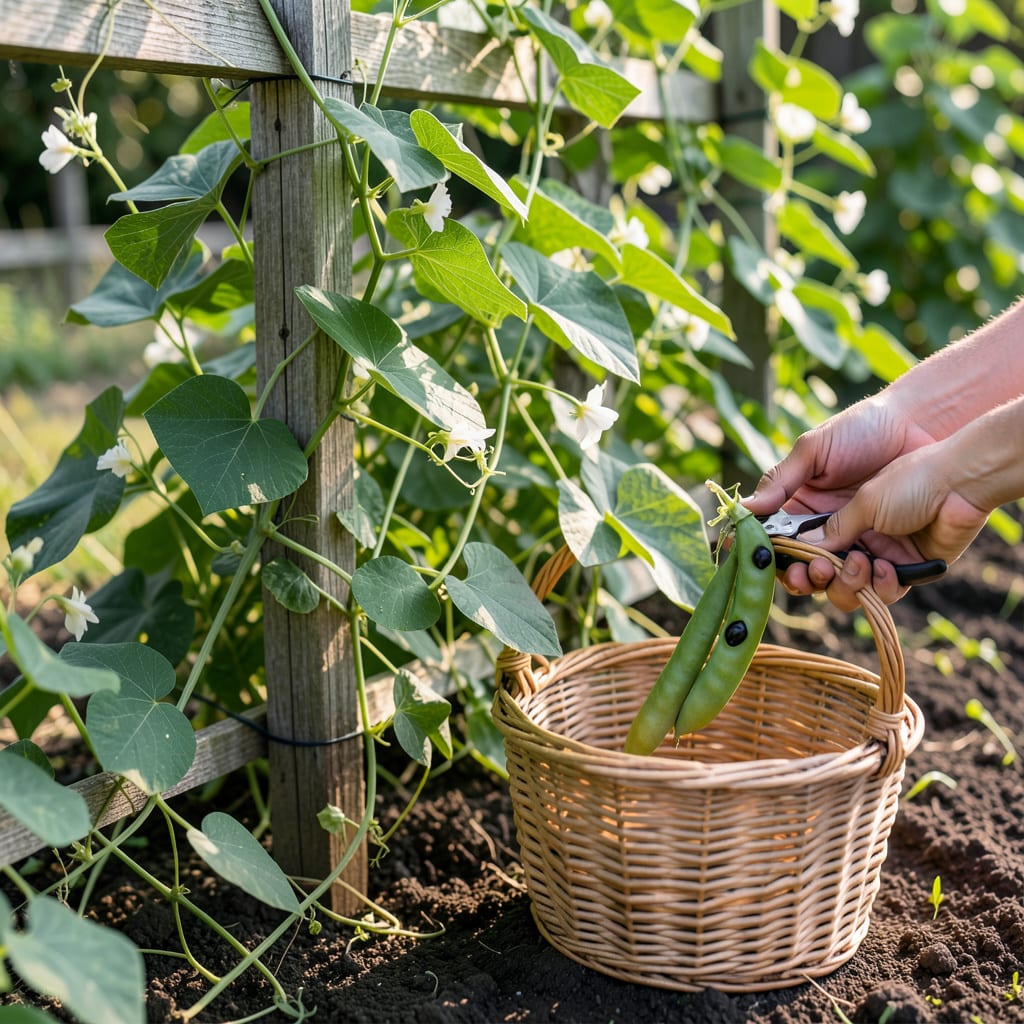
That moment when your 🌱 Black Eyed Pea plants are finally ready is so satisfying. But how do you know they’ve reached peak perfection?
I’ll walk you through the key signs to look for, from pod color to seed maturity. With these tips, you’ll always harvest at just the right time.


Harvesting Black Eyed Peas at the right moment ensures the best flavor and texture. The most obvious sign is when the pods turn bright green and feel plump to the touch.
I always check for visible seeds bulging through the pod skin. When the seeds are fully formed and the pod snaps easily, it’s time to pick. This usually happens 70-90 days after planting.
| Maturity Sign | What to Look For |
|---|---|
| Pod Color | Bright green and firm |
| Seed Visibility | Seeds bulging through pod |
| Pod Length | 3-6 inches long |
| Texture | Pods snap easily when bent |
| Days to Maturity | 70-110 days after planting |
The shell hardening is another critical indicator. As the pods mature, the shell will begin to toughen slightly, but it should still be tender enough to pierce with a fingernail.
If you notice the pods turning yellow or the seeds inside are very hard, you’ve likely waited too long. These overripe peas lose their tenderness and can become starchy.
For the best results, I recommend harvesting in the morning when the plants are well-hydrated. This helps maintain the peas’ freshness and crispness.
Don’t forget to check the lower pods first, as these typically mature before the ones higher up on the plant. This staggered ripening means you’ll often have multiple harvests from a single planting.
If you’re growing dwarf varieties, expect slightly shorter pods, around 3 inches. Larger varieties can reach up to 6 inches when ready.
In warmer climates, the maturity timeline may be shorter, while cooler areas might extend it. Always monitor your plants closely as the expected harvest window approaches.
Finally, remember that consistent watering throughout the growing season helps ensure even pod development, making it easier to gauge when they’re ready to pick. ☀️
I always use the squeeze test to check if my Black Eyed Peas are ready. Gently press a pod between your fingers—if it feels plump and firm, it’s a good sign.
Another method is the seed inspection. Open a pod and examine the seeds inside. They should be fully formed, with a distinct black eye, but still tender.
The taste test is my favorite way to confirm. Pop a few seeds out and taste them raw—they should be sweet and tender, not hard or mealy.
If the pod snaps easily when bent, that’s another great indicator. This shows the shell has reached the right stage of development without becoming too tough.
In hotter weather, I check daily as the pods can mature quickly. Cooler temperatures may slow the process, so adjust your testing frequency accordingly.
By combining these simple tests, you’ll always harvest your Black Eyed Peas at their peak of perfection. 🌱
Timing is everything with Black Eyed Peas, and picking too early or too late can ruin your harvest. I’ve learned the hard way that immature pods are flat and lack flavor.
Overripe peas become tough and starchy, so don’t let them linger on the vine once they’re ready. The window for perfect harvest is often just a few days.
Another common mistake is ignoring the weather. Heavy rain can cause ripe pods to split, so I always check the forecast and harvest before a storm if possible.
Rough handling can bruise the pods and reduce their shelf life. I use sharp scissors or pruners to snip pods off cleanly, avoiding any tearing of the plant.
Don’t forget that lower pods mature first, so check these first. If you only pick the top pods, you might miss the ones that are already past their prime at the bottom.
With a little attention to these details, you’ll enjoy a bountiful harvest of perfectly tender peas every time. 🌿
Expect to see pods forming around 50-60 days after planting. They’ll typically be ready to harvest 20-30 days later, depending on variety and growing conditions.
Immature pods will be flat and the seeds underdeveloped. They’ll lack the characteristic sweetness and tenderness, making them less enjoyable to eat.
No, lower pods mature first. Check plants every 2-3 days during peak season and harvest ripe ones individually. This encourages continued production.
Keep unwashed pods in a perforated bag in the fridge for up to 5 days. For longer storage, blanch and freeze them within 24 hours of picking.
